
Causes of P244D trouble code
Looking back over the years and flipping through official repair manuals, the most common causes for P244D I’ve run into are:
- A diesel particulate filter (DPF) that’s either plugged up with soot or physically damaged.
- DPF temp or pressure sensors gone bad-these guys love to send false readings when they get tired.
- Fuel system hiccups, like blockages or damage, that throw the regen cycle out of whack.
- Anything blocking or restricting the exhaust flow-could be collapsed pipes, debris, or even a bent heat shield.
- Your driving style-lots of short trips or city miles? That’ll keep the DPF from getting hot enough to clean itself, and that’s when trouble starts.
From what I see in the bay, dodgy sensors and clogged DPFs are almost always the main troublemakers. Still, you can’t skip checking every bullet on this list.
Symptoms of obd code P244D
When this code gets triggered, you’ll likely spot the check engine light or a service message staring you down from the dash. On Ford diesels, you might be stuck with a no-start, or the truck might just shut itself off mid-trip to keep things from getting worse. Other clues? The engine could start running rough, you might feel a big dip in power, or you’ll get a dash warning about the exhaust. If you’re really unlucky, you might catch a whiff of something burning or hot from underneath. My advice? If you see P244D, don’t push your luck-driving any further just isn’t worth the gamble.

Diagnosis steps for P244D
When I’m tracking down a P244D, here’s how I go at it:
- Start by checking for any warning lights or messages on the dash. If the truck won’t crank, that’s a big hint the system’s in lockdown mode.
- I always begin with a visual check-look for melted, broken, or corroded wiring and connectors at the DPF temp and pressure sensors. Sometimes, the culprit is just a loose plug you can spot with your eyes.
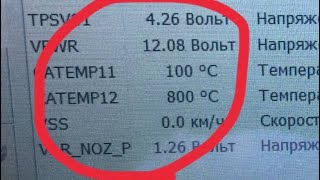
- Next, I grab the scan tool and pull up live data from those DPF sensors. I’m hunting for any numbers that are way off, or readings that don’t match up side-to-side.
- If the sensor readings look fishy, I’ll bust out the multimeter and check resistance or voltage against the specs in the shop manual.
- Don’t forget the DPF itself-if it’s clogged or cracked, you’ll see high backpressure or weird temp numbers in the scan.
- Give the fuel system a once-over too-check for leaks or clogs that could stall the regen process.
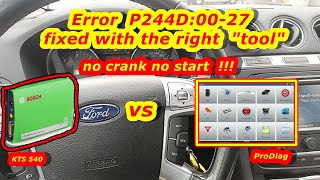
- Now, on Fords, if the code’s stuck and the engine refuses to start, you’ll need a scan tool with special features to reset exhaust temp values after you’ve made repairs. Just clearing the code won’t cut it; you have to run the official reset routine.
If scan tools or wiring checks aren’t your thing, don’t go it alone-get someone who’s comfortable with this gear. But these steps will get you headed in the right direction.
Common mistakes when fixing dtc P244D
A classic mistake I see is folks tossing in a new DPF right off the bat without taking a hard look at the sensors and wiring first. That’s a wallet-buster you want to avoid. Another blunder? Trying to clear the code with a basic scanner. On Ford diesels, you need to perform the proper temperature sensor relearn-otherwise, you’re not getting that engine to fire up. Skipping the visual inspection is another pitfall-sometimes, it’s just a busted connector or a shorted wire hiding in plain sight. Always chase down the simple stuff before you start shelling out for pricey parts.

Seriousness of P244D engine code
Make no mistake-P244D is nothing to mess around with. Ignore it, and you’re flirting with catastrophic damage to the DPF, exhaust sensors, wiring, and even your turbo if things really go sideways. Ford’s system is smart enough to shut down and lock out the engine, and that’s actually a good thing-running too hot can start a fire, plain and simple. So, if you value your truck (and your safety), don’t sit on this one. Get after it as soon as you see the code.
Repair solutions for obd2 code P244D
Here’s what’s fixed P244D for me and many other techs I know:
- Swap out any bad DPF temperature or pressure sensors, and patch up any damaged wiring or connectors you find.
- If the DPF is plugged or banged up, you’ll need to clean it (if it’s still salvageable) or put in a new one.
- Sort out any fuel system gremlins-look for leaks, blockages, or anything else that could trip up the regen process.
- Clear up any exhaust restrictions-make sure the pipes are open and nothing’s in the way.
- On Fords, don’t forget the temperature sensor relearn/reset with a compatible scan tool after repairs. That’s the only way you’ll get the code cleared and the truck started again.
And here’s a pro-tip: always check for software updates or TSBs from the manufacturer. Sometimes, they’ll have bulletins out with a fix that saves you a ton of time and money.
Conclusion
Bottom line? P244D means your diesel’s exhaust is running way too hot during DPF regeneration, and the vehicle’s computer is stepping in to keep things from going sideways. Treat this as a high-priority fix; the risks just aren’t worth gambling with. The smart move is to go over your sensors, wiring, and DPF carefully, repair or swap what’s needed, and always follow the proper reset procedure. Move quickly and methodically, and you’ll be back on the road safe and sound in no time.

 4438
4438 6 minutes of reading