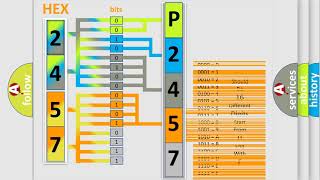
When you see a P2457 code pop up, it means your vehicle’s got a bone to pick with its Exhaust Gas Recirculation (EGR) cooling system. Now, from my years wrenching on diesels and gas engines alike, I can tell you the EGR system’s job is to send a bit of exhaust gas back into the intake to help lower combustion temps and cut down nasty emissions. On most diesels, there’s an EGR cooler bolted in-this guy uses engine coolant to chill those super-hot exhaust gases before they make their return trip. The brain of the operation, your PCM, is constantly checking if everything’s being cooled off as it should. If it senses those gases aren’t getting cooled enough, up comes the P2457 code. Basically, your car is raising its hand and saying, 'We’re not handling exhaust temps right.' This isn’t just about emissions-it’s about keeping your engine running right and avoiding headaches down the road.
DTC P2457
 6250
6250 6 minutes of reading
Causes of obd code P2457
From what I see most often in the shop, there are a handful of usual suspects when it comes to issues like p2457. Here’s what tends to cause this code:
- A blocked EGR cooler-this is probably the most common. Soot and carbon can build up inside, restricting flow.
- A leak or restriction in the engine coolant system-if the coolant isn’t flowing properly, the EGR cooler can’t do its job.
- A faulty EGR temperature sensor-if this sensor isn’t reading correctly, the PCM gets the wrong info and thinks there’s a problem.
- A restricted charge air cooler-less common, but if airflow is blocked here, it can affect EGR cooling performance.
In my experience, starting with the EGR cooler and coolant system is usually the best bet. This problem can also happen on car brands like Ford, Renault.
Symptoms of P2457
If you’re dealing with a P2457 code, the first thing you’ll likely notice is that old familiar check engine light glaring at you. That’s your car’s way of nudging you to pay attention. Sometimes, you’ll get hit with limp mode-suddenly, the engine feels gutless, barely able to get out of its own way. That’s not just annoying, it’s the system trying to save itself from bigger problems. You might feel sluggish acceleration or just a general lack of power. Don’t be surprised if you don’t notice much else right away-these are the main clues. And if you’re poking around the internet for sa 16 dtc p245700, you’re in the right ballpark with this issue.

Diagnosing the P2457 engine code
Whenever I’m tracking down a P2457, I follow a tried-and-true process:
- Start by checking coolant level and condition. Low or dirty coolant? That’s a red flag-EGR coolers hate that.
- Look closely for coolant leaks-radiator, hoses, and especially around the EGR cooler. Even a small drip can throw the whole system off.
- Next, pull the EGR cooler and inspect it for blockages. Carbon and soot love to collect in there. If you find a clog, that’s likely your culprit.
- Scan the EGR temperature sensor. A quick look with a scan tool can tell you if the readings make sense. If it’s stuck or out of whack, swap it out.
- Last step, check the charge air cooler for any blockages. It’s rare, but I’ve seen it mess things up a few times.
Here’s a tip: have a buddy help when you’re pulling hoses or lifting out the cooler-some of these parts are wedged in tight. And don’t get burned-let that engine cool down before you dive in. Hot coolant’s no joke.
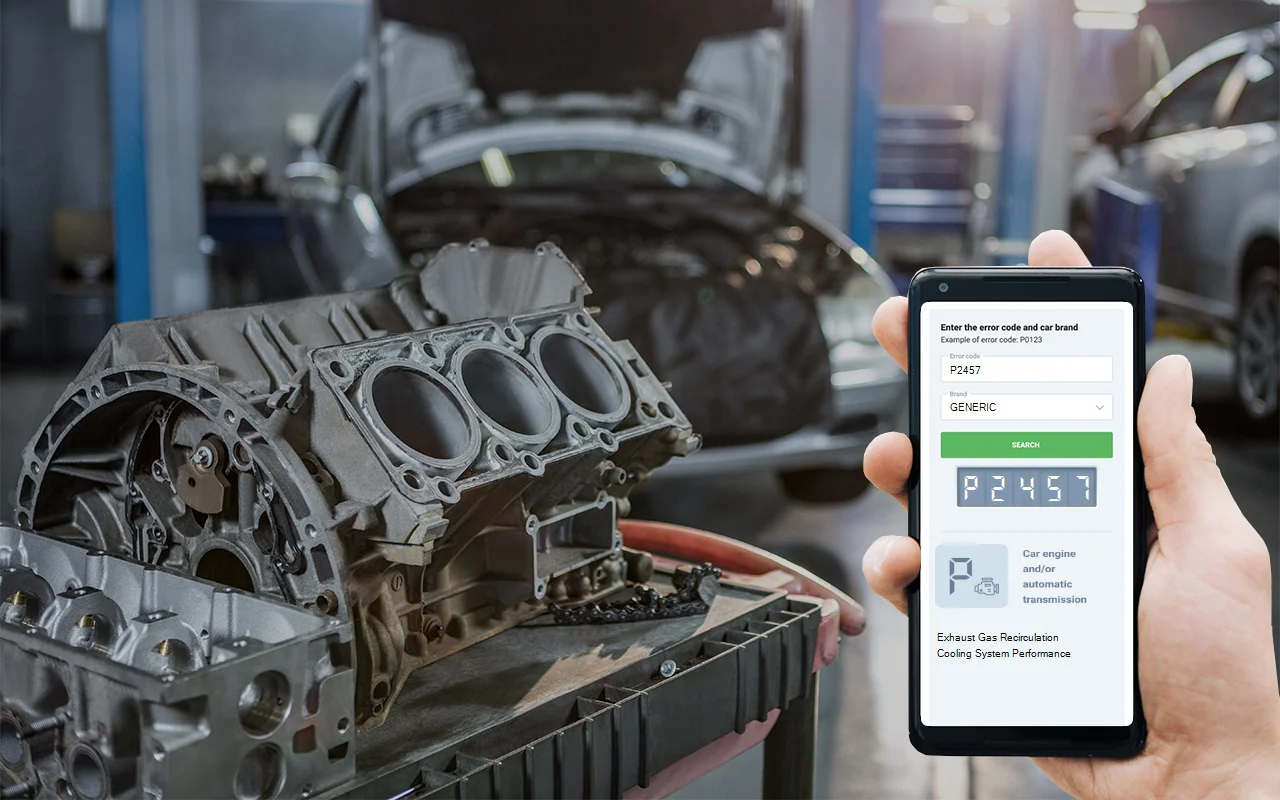
Common Mistakes with the P2457 trouble code
I see a lot of folks jump straight to swapping out the EGR temperature sensor when P2457 shows up. Honestly, that’s rarely the fix-more often, the EGR cooler is plugged up and causing all the fuss. Another slip-up is ignoring tiny coolant leaks or just glancing at the reservoir and thinking all’s well. Sometimes, it’s the charge air cooler that’s the hidden troublemaker, but people skip it in their rush. And here’s a classic mistake: clearing the code before you’ve really solved the problem. Do that, and it’ll just come right back to haunt you.

Seriousness of obd2 code P2457
Don’t shrug this one off. If your EGR cooling system’s not doing its job, your engine temps can start to creep up, which is a recipe for higher emissions and, if left unchecked, real engine damage. If limp mode kicks in, you lose power-imagine that happening when you’re merging on the interstate or stuck in rush hour traffic. Even worse, you could end up frying the EGR cooler, the temp sensor, or even the engine itself. Things can go downhill fast if you ignore it, so take care of it before you’re dealing with a much bigger headache.
Repairing the P2457 code
Here’s how I usually tackle a P2457:
- If the EGR cooler’s plugged up, I’ll pull it, give it a proper cleaning, or just swap it out if it’s too far gone.
- Find a coolant leak or a restriction? Time to patch up or replace any bad hoses, clamps, or the radiator, and flush out the coolant if it’s gone sour.
- Bad EGR temperature sensor? Only way forward is a quality OEM replacement, then clear the code.
- Charge air cooler giving you trouble? Clean it out or replace it if needed.
Once everything’s sorted, I always clear the code and take the car for a spin to make sure everything’s back on track. Don’t skip that test drive-it tells you if the fix actually stuck.
Conclusion
Bottom line-when you see P2457, your car’s telling you there’s trouble cooling exhaust gases before they head back into the engine. Don’t let it slide. If you wait, you’re risking bigger, costlier problems, and maybe even engine damage. My advice? Start simple: check your coolant, hunt for leaks, and don’t ignore the EGR cooler or those sensors. In my book, jumping on blockages or leaks early is what keeps your engine healthy. Get it fixed now, and you’ll keep your ride running strong-and out of the shop.