
Causes of P245B
From what I’ve seen in the shop and based on the official repair info, the most common reasons for a P245B code are:
- Carbon buildup or soot clogging the EGR cooler bypass valve, making it stick or jam.
- Failure of the bypass valve’s DC motor actuator-sometimes the motor just gives out.
- Wiring issues, like corroded connectors or damaged wires going to the valve or its position sensor.
- Faulty EGR cooler bypass position sensor, which can send incorrect readings even if the valve is working.
- Obstructions inside the EGR cooler or passages, sometimes from excessive soot or debris.
Most often the issue is either a stuck valve from carbon buildup or a bad actuator motor. That’s what I see most in real-world repairs.
Symptoms of obd2 code P245B
When this code pops up, you’ll probably notice the check engine light right away. In some cases, you might feel a rough idle, hesitation, or even reduced engine power-especially if the valve is stuck in a position that restricts exhaust flow. Sometimes, there aren’t any obvious symptoms besides the warning light, but don’t let that fool you. Ignoring it can lead to bigger problems down the road.

Diagnosis procedure for obd code P245B
Here’s how I usually tackle a P245B code, step by step:
- First, I check for any other codes that might be related, just to get the full picture.
- Next, I do a visual inspection of the EGR cooler bypass valve and its wiring. Look for loose connectors, broken wires, or signs of corrosion. It’s best to have someone help you move the harness around while you watch for any changes.
- Then, I use a scan tool to command the EGR cooler bypass valve open and closed while watching the position sensor data. If the sensor reading doesn’t match the command, that’s a big clue.
- If the valve doesn’t move, I’ll disconnect it and check for carbon buildup or physical obstructions. Sometimes you can actually feel if it’s stuck by hand (with the engine off and cool, of course).
- I also test the actuator motor and position sensor with a multimeter, following the OEM wiring diagrams. Don’t forget to check for power and ground at the connector.
- If everything checks out electrically, but the valve is still stuck, it’s usually time to remove it for a closer look or cleaning.
It’s best to start with the simple stuff-wiring and connectors-before jumping to parts replacement.
Common Mistakes with dtc P245B
One thing I see a lot is folks jumping straight to replacing the valve or actuator without checking for carbon buildup first. Another common mistake is overlooking wiring issues-sometimes it’s just a bad connection or a broken wire. Don’t skip the step of commanding the valve with a scan tool; it tells you a lot about what’s really going on. And always double-check the position sensor readings before replacing expensive parts.

Seriousness of P245B engine code
This isn’t something you want to ignore. If the EGR cooler bypass valve is stuck, it can cause poor engine performance, higher emissions, and even lead to overheating in the EGR system. Over time, you risk damaging the EGR cooler, the valve itself, or even the engine if things get bad enough. Honestly, it’s dangerous to put this off-things can go south quickly if you keep driving with this code active.
Repair options for P245B code
In cases like this, the most reliable fixes are:
- Cleaning the EGR cooler bypass valve and passages to remove carbon buildup.
- Replacing the EGR cooler bypass valve actuator motor if it’s failed.
- Repairing or replacing damaged wiring or connectors.
- Replacing the EGR cooler bypass position sensor if it’s giving false readings.
- In rare cases, replacing the entire EGR cooler assembly if it’s badly clogged or damaged.
From experience, cleaning and checking the wiring solves the problem most of the time. If not, then it’s usually the actuator or sensor at fault.
- P245B P0638 P2620 P0401Opel Combo Check engine Light
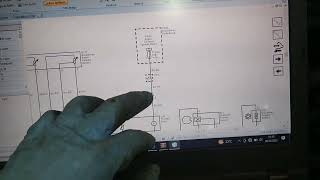
- Ram Eco-Diesel P245B - OBD II Trouble Code. What does fault code P245B mean? (EGR BYPASS VALVE)

- PART 2 RAM-ECO DIESEL P245B-OBD 2 TROUBLE CODE, FIXED
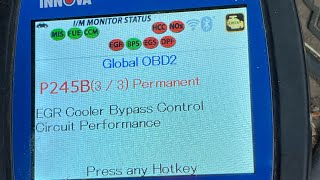
- How i fixed codes P245A, P245C, P245B on Dodge Ram 2500 6.7 Cummins diesel truck. fix and diagnosis.

Conclusion
To sum it up, P245B means your EGR cooler bypass valve isn’t moving the way it should, usually because of carbon buildup, a bad actuator, or wiring issues. It’s a moderate-to-high risk problem-don’t put it off, since it can lead to bigger headaches and expensive repairs if ignored. The best way forward is to start with a thorough inspection and cleaning, check the wiring, and only replace parts if you’re sure they’re the culprit. That’s the most reliable way to get your vehicle back in shape and avoid future trouble.
 5770
5770 5 minutes of reading