
Causes of P2460 code
From experience, the most common reasons I see for a P2460 code are pretty consistent across Ford and GMC diesels. Here’s what usually triggers it:
- A faulty DPF pressure sensor itself-these sensors can fail over time, especially in harsh conditions.
- Wiring harness issues-broken, shorted, or corroded wires or connectors leading to the sensor.
- Loose, cracked, or missing hoses that connect the sensor to the exhaust system. Sometimes the hoses get brittle and break, or just work loose.
- Excessive soot or ash buildup in the DPF, which can throw off the pressure readings.
In rare cases, I’ve seen the problem come from a combination of these-so it’s important to check everything, not just swap the sensor and hope for the best.
Symptoms of obd2 code P2460
When this code is active, you’ll almost always notice the check engine light come on. Most drivers don’t feel any immediate change in how the truck runs, but if the issue goes on for too long, you might start to see reduced power or the vehicle going into a sort of 'limp mode' to protect itself. Sometimes, if the DPF is getting clogged, you might notice more frequent regeneration cycles, or even a warning about the exhaust filter needing service. But honestly, the main thing you’ll see right away is that warning light staring back at you from the dash.

Diagnosis steps for dtc P2460
Here’s how I tackle a P2460 code in the shop, and you can follow along with some of these steps at home if you’re comfortable:
- First, I always start with a visual inspection. Pop the hood and find the DPF pressure sensor-usually mounted near the firewall with a couple of small hoses running to it. Check those hoses for cracks, splits, or if they’ve come loose. Don’t forget to look for missing or broken clamps.
- Next, I check the wiring and connectors. Look for any signs of corrosion, broken wires, or loose pins. Sometimes a little tug on the harness will reveal a hidden break.
- If everything looks good, I’ll use a scan tool to read live data from the sensor. At idle, the pressure reading should be very low-if it’s zero or way out of range, that’s a big clue.
- If you have access to a multimeter, you can check for proper voltage at the sensor connector, following the wiring diagram for your specific vehicle. No voltage or a short to ground means you’ve got a wiring problem, not a bad sensor.
- Finally, if the hoses and wiring check out, I’ll remove the sensor and inspect for soot buildup or blockage. Sometimes cleaning the hoses and sensor ports can bring things back to life, but if the sensor’s bad, replacement is the way to go.
It’s better to have someone assist you, especially when checking under the vehicle for hose routing or DPF condition.
Common mistakes with P2460 engine code
One thing I see a lot is folks jumping straight to replacing the DPF pressure sensor without checking the hoses or wiring first. That’s a surefire way to waste money if the real problem is a cracked hose or a corroded connector. Another common slip-up is not inspecting both ends of the hoses-sometimes the end at the DPF itself is loose or damaged, not just the end at the sensor. And don’t forget: ignoring the possibility of excessive soot or ash in the DPF can lead to bigger headaches down the road.

Seriousness of P2460 trouble code
This isn’t something you want to ignore. While the truck might run fine at first, a faulty DPF pressure sensor or related issue can quickly lead to the DPF clogging up. If that happens, you’re looking at reduced power, possible limp mode, and even damage to the DPF itself-which is a pricey part to replace. In the worst cases, you could end up with engine damage or a no-start situation. Honestly, things can go south quickly if overlooked, so don’t put this off for later.
Repair solutions for obd code P2460
Here’s what usually fixes a P2460 code, based on what I see in the shop and in official repair bulletins:
- Replace the DPF pressure sensor if it’s faulty or reading out of range.
- Repair or replace any damaged, cracked, or missing hoses connected to the sensor.
- Fix any wiring issues-repair broken wires, clean corroded connectors, and make sure everything is plugged in tight.
- If the DPF is heavily loaded with soot or ash, follow the OEM procedure for forced regeneration or, in severe cases, remove the filter for cleaning or replacement.
Always clear the code and test drive the vehicle to make sure the repair worked and the code doesn’t come back.
- New DPF & Temperature Sensor But Still Fault? Citroen Dispatch 2.0 P2032 Exhaust Temperature Circuit

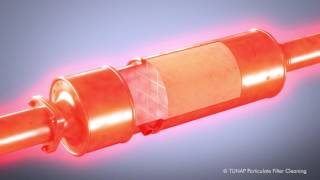
- How to clean a Diesel Particulate Filter (DPF)
- [본] 둑 터진 윤석열 공천개입 "김진태 내가 해줬다!" / 퇴진 폭풍 막을 수 있나? / 검찰, 또 증거없는 이재명 기소 / 이재명 대통령 만들어주는 윤석열 등 #김남국 #임세은

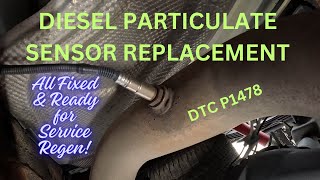
- 2017 Silverado 6.6L Diesel Exhaust Particulate Sensor Replaced
Conclusion
To sum it up, P2460 means your vehicle’s DPF pressure sensor circuit isn’t working right, and that can spell trouble for your exhaust system if left unchecked. The risk level is high-ignoring it can lead to expensive repairs and even safety issues. The best way forward is to start with a careful inspection of hoses and wiring, then move on to the sensor itself, and don’t forget to check the DPF for excessive buildup. Acting quickly and methodically is the most reliable way to get your diesel running right again and avoid bigger problems down the line.
 5316
5316 6 minutes of reading