
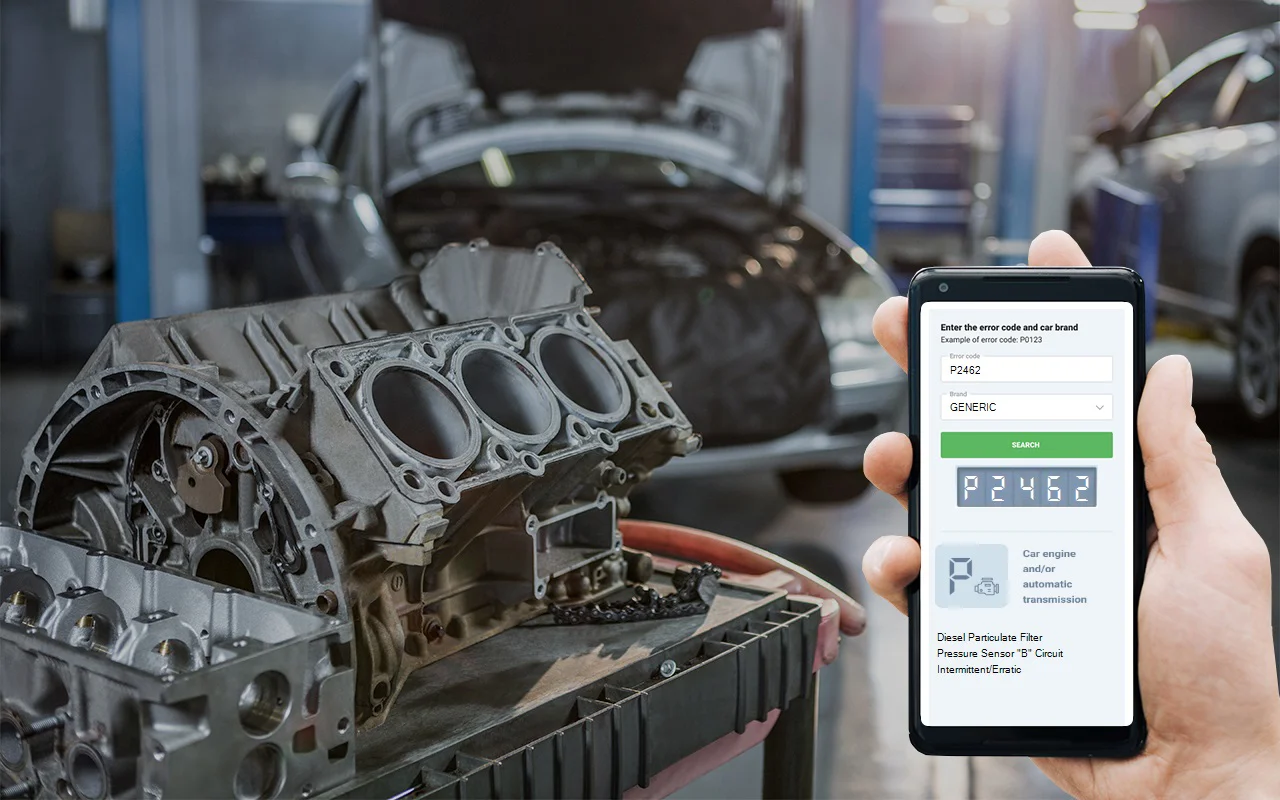
Causes of P2462 trouble code
From what I’ve seen in the shop, the most common reasons for a P2462 code are:
- A faulty DPF pressure sensor - these sensors do fail over time, especially with all the heat and soot they deal with.
- Wiring issues - things like broken, corroded, or loose wires and connectors in the sensor’s harness can cause intermittent or unstable signals.
- Damaged or disconnected pressure hoses - if the hoses leading to the sensor are cracked, loose, or missing, the sensor can’t get an accurate reading.
- Excessive soot or ash in the DPF - if the filter is clogged up, it can throw off the pressure readings.
In my experience, it’s usually a sensor or wiring issue, but don’t rule out a clogged filter, especially if the vehicle has high mileage or has skipped maintenance.
Symptoms of P2462 code
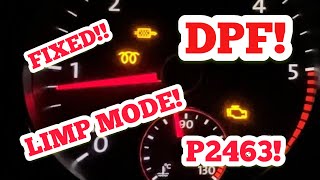
When this code is active, the main thing you’ll notice is the check engine light coming on. Sometimes, you might also see a warning about the emissions system or DPF on your dash. In some cases, the vehicle might go into a reduced power or ‘limp’ mode to protect itself. You might feel a loss of power, especially when accelerating. But honestly, sometimes the only clue is that warning light - so it’s not something you want to ignore.

Diagnosis steps for P2462 engine code
Here’s how I usually tackle a P2462 code:
- First, I start with a visual inspection. I check the wiring harness and connectors at the DPF pressure sensor for any signs of damage, corrosion, or loose connections. Don’t forget to look for bent or pushed-out pins in the connectors.
- Next, I inspect the pressure hoses going to the sensor. Make sure they’re not cracked, loose, or missing. Sometimes, a hose can pop off or split, especially in cold weather or after a rough road.
- If everything looks good, I’ll use a scan tool to check the live data from the DPF pressure sensor. I’m looking for readings that make sense - not jumping around or stuck at one value.
- If the readings are off, I’ll test the sensor itself by backprobing the connector and checking for proper voltage and ground. If the sensor isn’t getting power or ground, the wiring could be at fault.
- If the sensor and wiring check out, I’ll check the DPF itself for excessive soot or ash buildup. This usually requires a more in-depth inspection or specialized tools, but it’s important not to skip this step if the basics look okay.
It’s always best to start with the simple stuff - loose wires or hoses - before moving on to replacing parts.
Common mistakes when fixing P2462
One thing I see a lot is folks jumping straight to replacing the DPF pressure sensor without checking the wiring or hoses first. That’s a surefire way to waste money. Another common mistake is ignoring the possibility of a clogged DPF, especially if the vehicle has a lot of miles. And don’t forget to check both ends of the pressure hoses - sometimes the problem is right at the filter, not at the sensor.

How serious is obd code P2462
This isn’t something you want to put off. If you ignore a P2462 code, you risk the DPF getting overloaded with soot, which can lead to expensive filter or even turbocharger damage. Plus, your engine might go into limp mode, leaving you stranded or unable to accelerate safely. Honestly, driving around with this issue can also increase emissions and potentially damage other parts of the emissions system. Things can go south quickly if overlooked, so it’s best to get it checked out promptly.
Repair options for obd2 code P2462
Here’s what usually fixes a P2462 code, based on what I’ve seen and what the OEMs recommend:
- Repair or replace any damaged wiring or connectors at the DPF pressure sensor.
- Replace cracked, loose, or missing pressure hoses.
- If the sensor itself is faulty, swap it out for a new OEM unit.
- If the DPF is clogged with soot or ash, it may need to be cleaned or, in severe cases, replaced.
Always clear the code and test drive the vehicle to make sure the problem is truly fixed before calling it done.

Conclusion
To sum it up, P2462 means your vehicle’s DPF pressure sensor circuit isn’t working right, and the computer can’t trust the readings. This can lead to bigger problems if ignored, so it’s important to diagnose and repair it quickly. Start with the basics - check wiring, connectors, and hoses - before moving on to the sensor or DPF itself. Acting fast is the best way to avoid costly repairs and keep your vehicle running safely and cleanly.
 3947
3947 5 minutes of reading