
Common Causes of the P2468 Code
From what I’ve seen in the shop and what the official manuals say, the most common reasons for P2468 are:
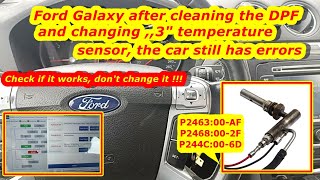
- A faulty exhaust gas temperature sensor (EGTS) on bank 2, sensor 3. This is the part that actually measures the heat.
- Broken, shorted, or open wiring in the harness going to that sensor. Wires can get brittle, melted, or even chewed by rodents.
- Poor electrical connections at the sensor plug-sometimes the pins get corroded, bent, or pushed out of place.
- Exhaust leaks near the sensor. If hot gases escape before the sensor, it can throw off the readings.
- Excessive soot or particulate buildup on the sensor itself, which can insulate it and mess with its ability to measure temperature.
In my experience, most often the issue is either a bad sensor or a wiring problem, but it’s always worth checking for buildup or leaks too.
Recognizing Symptoms of the P2468 Trouble Code
When this code is active, the most obvious thing you’ll notice is the check engine light coming on. Sometimes you might also see a warning about emissions or a message telling you to service the exhaust system. In some cases, especially if the problem goes on for a while, the engine might go into a reduced power or ‘limp’ mode to protect itself. You probably won’t notice any weird noises or smells, but if the DPF or DOC isn’t working right because of this, you could eventually see more smoke from the exhaust or even a drop in fuel economy.

Step by Step Diagnosis for the P2468 Engine Code
Here’s how I usually tackle a P2468 code, step by step:
- First, I always start with a visual inspection. Pop the hood and look at the wiring going to the exhaust gas temperature sensor (bank 2, sensor 3). Look for any obvious damage-melted wires, broken insulation, or loose connectors. It’s better to have someone wiggle the harness while you watch for changes.
- Next, unplug the sensor and check the connector pins. Make sure they’re not bent, corroded, or pushed back. A little green corrosion is a surefire way to end up with a bad connection.
- If everything looks good, I’ll use a multimeter to check for continuity in the wiring between the sensor and the engine computer. If there’s an open or short, you’ll need to repair or replace the harness.
- After that, I’ll test the sensor itself. Most OEM manuals give a resistance spec for the sensor at room temperature. If it’s way off, the sensor is likely bad.
- Don’t forget to inspect the sensor tip for heavy soot or carbon buildup. If it’s coated, sometimes cleaning it can restore function, but often replacement is needed.
- Lastly, check for exhaust leaks near the sensor. Even a small leak can throw off readings. You might see black soot marks or hear a ticking sound when the engine’s running.
It’s best to start with the simple stuff-wiring and connectors-before jumping to sensor replacement. That’s saved me and my customers a lot of time and money over the years.
Avoiding Common Mistakes with P2468
I’ve seen a few common slip-ups with this code. The biggest one is replacing the sensor right away without checking the wiring or connector. Sometimes the problem is just a loose or corroded pin, and swapping the sensor won’t fix it. Another mistake is ignoring soot buildup on the sensor tip-if you don’t check for that, you might miss an easy fix. Also, don’t forget to look for exhaust leaks; it’s easy to overlook, but it can cause all sorts of sensor issues. Skipping these steps can lead to wasted parts and frustration.

How Serious is obd2 code P2468
This isn’t something you want to ignore. If you leave it too long, the emissions system can’t do its job, which can lead to clogged DPFs, damaged catalysts, or even engine derate (limp mode). That means you could end up stranded or facing a much bigger repair bill. Honestly, it’s dangerous to ignore this-things can go south quickly if the DPF overheats or gets blocked. The risks just aren’t worth it, especially since the fix is usually straightforward if you catch it early.
Repairing obd code P2468
Here’s what I typically do to fix a P2468 code:
- Repair or replace any damaged wiring or connectors going to the exhaust gas temperature sensor.
- If the sensor itself is out of spec or heavily contaminated, replace it with a new OEM part.
- Clean off any soot or buildup on the sensor if it’s minor and the sensor tests good.
- Seal up any exhaust leaks near the sensor-replace gaskets or tighten bolts as needed.
- Clear the code with a scan tool and take the vehicle for a test drive to make sure it doesn’t come back.
In cases like this, it’s usually a sensor or wiring fix, but don’t skip the basics.


Conclusion
To sum it up, P2468 means your vehicle’s exhaust gas temperature sensor (bank 2, sensor 3) isn’t working right, which can put your emissions system at risk. It’s a moderate to high priority-don’t put this off for later, because it can lead to expensive damage if ignored. The best way forward is to start with a careful inspection of the wiring and sensor, fix any issues you find, and clear the code. That’s the most reliable way to keep your diesel running clean and avoid bigger headaches down the road.

 5994
5994 6 minutes of reading