
Causes of P2469 trouble code
After years in the field and poring over countless service manuals, here’s what I see causing P2469 most often:
- That exhaust gas temperature sensor (Bank 2, Sensor 3) biting the dust. Honestly, this is the top offender in my book.
- Wiring headaches-think cracked insulation, broken wires, or wires that have cooked themselves against a hot exhaust. It’s more common than you’d think, especially on older rigs.
- Electrical gremlins at the plug-corroded terminals, bent pins, or connectors that just don’t fit snugly anymore.
- Exhaust leaks right around the sensor. Even a pinhole leak can foul up the readings and confuse the ECM.
- Soot or particulates caked onto the sensor. That buildup acts like a blanket and throws the temperature readings out of whack.
From what I’ve seen, the sensor itself or its wiring are usually to blame, but I never skip checking everything above before swapping parts. Miss something simple, and you’ll just chase your tail.
Symptoms and obd code P2469 indicators
When this code’s triggered, the first thing you’ll probably spot is the check engine light glaring at you. That’s the main giveaway for most folks. Sometimes, the truck might decide to play it safe and throw itself into reduced power mode if it thinks things are getting too hot. You might notice sluggish acceleration, or the dash might start feeding you messages about the emissions or DPF system. But to be honest, a lot of the time, it’s just that annoying light-no other symptoms until you start digging deeper.

Diagnosis steps for P2469
This is how I go about sorting out this code, step by step:
- I always kick things off with a close visual once-over. Pop the hood or crawl under and really check the harness leading to Bank 2, Sensor 3. Look for melted, cracked, or frayed wires, and make sure that connector is tight and corrosion-free. Don’t ignore bent pins-they’re sneaky troublemakers.
- Next, I focus on the sensor itself. If it’s buried under a layer of soot or looks banged up, that’s a red flag. Sometimes a quick cleaning does the trick, but if it’s damaged or falling apart, it’s time for a new one.
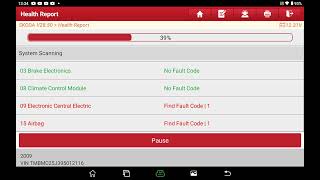
- Then, I’ll grab the scan tool and compare the sensor’s temperature readings against the other exhaust sensors. If one reading is way out of left field, that’s usually my bad actor.
- If everything looks alright so far, I’ll get out the multimeter and check for continuity in the wiring, making sure there’s no short to ground or power. Having someone wiggle the harness while you test can help catch those intermittent faults that only show up once in a blue moon.
- Lastly, I’ll check for exhaust leaks-especially right near the sensor. Even a tiny leak can cause big headaches here, so make sure everything’s buttoned up tight.
Here’s a tip I learned the hard way: always rule out the basics-wiring and connections-before throwing parts at the problem. It’ll save you a lot of time and cash.
Common Mistakes when fixing P2469 engine code
A classic mistake I run into is folks immediately swapping out the sensor without ever checking the wiring or plug first. That’s a quick way to empty your wallet if the real issue is just a loose connector or a broken wire. Another one is skipping the visual inspection and not looking for soot buildup or exhaust leaks. If you don’t check the basics, you’ll end up chasing your tail. Always start simple before reaching for new parts.

Seriousness of the P2469 code issue
Don’t brush this one off. If the sensor or its circuit isn’t doing its job, your engine’s running blind when it comes to exhaust temps. That can mean real trouble for the DPF and DOC-overheating, damage, and repair bills that’ll make your eyes water. Plus, the truck might limp itself home or leave you with barely enough power to get out of your own way. Things can go downhill in a hurry if you ignore P2469, so tackle it before it gets ugly.
Repair process for dtc P2469
Here’s what’s gotten trucks back on the road in my shop, and what the official bulletins call for:
- Swap out the faulty exhaust gas temperature sensor (Bank 2, Sensor 3) if it’s giving bad readings or looks damaged.
- Repair or replace any sketchy wiring or connectors leading to the sensor. Clean connections make all the difference.
- If the sensor’s just filthy, clean off the soot or gunk and see if that brings it back to life.
- Seal up any exhaust leaks near the sensor-don’t underestimate even the smallest leak.
Once you’ve made the repair, clear the code and take the vehicle for a spin to make sure everything’s running smooth and the code doesn’t come back.


Conclusion
Bottom line-P2469 means your exhaust gas temperature sensor circuit (Bank 2, Sensor 3) is showing temps that are too high, usually because of a bad sensor, wiring problem, exhaust leak, or sometimes just a dirty sensor. You can’t afford to ignore this, since it can snowball into bigger, pricier problems with your emissions system. Always start by inspecting the wiring and sensor thoroughly, fix what you find, and only replace parts once you know you’ve found the real issue. That approach will get your ride back in shape and keep you out of trouble down the road.

 6521
6521 6 minutes of reading