
Causes of P2470 code
From experience and what the official repair data shows, the most common reasons for a P2470 code are:
- A damaged or shorted wiring harness going to EGT Sensor 4-this is the top culprit in most cases.
- A faulty EGT4 sensor itself, which can fail internally and cause a low signal.
- Corroded or loose connectors at the sensor or along the harness-sometimes just a bit of moisture or dirt can do it.
- Less often, a problem inside the engine control module (ECM) or its output driver circuit, but that’s rare compared to wiring or sensor issues.
Most often, it’s a wiring issue or a bad sensor, not the ECM.
Symptoms of dtc P2470
When this code is active, you’ll probably notice the check engine light on your dash. Sometimes, you might also see warning messages about the emissions system or reduced engine power. In a lot of cases, the truck will go into a sort of ‘limp mode’ to protect itself, which means you’ll feel a drop in power or responsiveness. From what I’ve seen, you might not notice much else right away, but if you tow or haul, you’ll feel the difference. Don’t ignore it-things can get worse if left unchecked.

Diagnosis of obd2 code P2470
Let me walk you through how I’d handle a P2470 code in my own bay, step by step:
- I always kick things off with a close-up inspection of the wiring and connectors at EGT Sensor 4. You’d be surprised how often a melted or chafed wire near the exhaust is the real villain. Grab a good flashlight (and maybe a mirror for those tight spots) so you don’t miss anything.
- Next up, unplug the sensor and look for any signs of corrosion, bent pins, or crud inside the connector. Even a smidge of green or white residue can set you up for trouble.
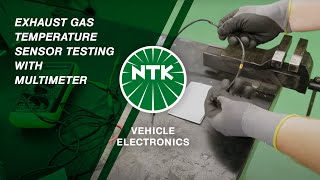
- Once the connectors look clean, I break out the multimeter and check for continuity and shorts between the sensor and the ECM. What you’re hunting for is any pathway to ground that shouldn’t be there-this is where a lot of folks trip up.
- If the wiring seems solid, I move on to measuring the sensor’s resistance. You’ll want to compare what you get to the numbers in your service manual. If it’s way out of line, that sensor’s probably toast.
- Finally, don’t forget to clear the code and take the truck for a spin after any repairs. Sometimes, just clicking a connector back in place is all it takes, but you’ll want to make sure the fix holds.
One last thing-working around hot exhaust means you should always let things cool down and, if possible, have a buddy nearby. It’s not worth burning yourself over a sensor check.
Common Mistakes when troubleshooting obd code P2470
A classic mistake I see is folks rushing out and swapping in a new EGT sensor before checking the wiring. Don’t fall into that trap. Another thing I’ve noticed is people barely glancing at the connectors, missing out on hidden corrosion or moisture that’s causing the problem. Forgetting to check for shorts to ground along the harness is another way to end up chasing ghosts. If you skip these steps, you’re likely to waste both time and cash, so be methodical and thorough-your wallet will thank you.

Seriousness of P2470
Here’s the deal: you really can’t ignore a P2470. Letting this slide could end up wrecking expensive emissions parts like your DPF or SCR system. Your engine might decide to play it safe and kick into limp mode, leaving you stuck or unable to tow when you need it most. In a worst-case scenario, a stubborn short could even fry the ECM. I’ve seen repair bills skyrocket because someone shrugged it off. Bottom line-treat this code as a high priority, or you could be looking at a much bigger headache down the road.
Repair steps for P2470 trouble code
When I get a truck with this code, these are the fixes I’ve seen work time and again:
- Patch up or replace any damaged wiring or connectors at EGT Sensor 4-this solves the problem more often than you’d think.
- If the sensor itself is out of spec or not responding, swap it out for a new one.
- Give all connectors a good cleaning and make sure they fit snug-no corrosion, no loose pins.
- On very rare occasions, if everything else checks out, you might have to repair or swap the ECM-but honestly, that’s almost never needed.
After repairs, always clear the code and take the vehicle for a solid road test to make sure everything’s back to normal.


Conclusion
To wrap things up, P2470 means your exhaust temperature sensor circuit is reading lower than it should, usually thanks to a wiring or sensor issue. Take it seriously-it’s a code that can lead to much bigger and pricier problems if you ignore it. The smartest move is to start with a careful look at the wiring and connectors, then check the sensor itself. Most of the time, fixing the wiring or swapping in a fresh sensor will get you back on the road with confidence.

 5414
5414 6 minutes of reading