
Causes and obd2 code P2475
From what I've seen in the shop, most often the issue comes down to a faulty exhaust gas temperature sensor itself-sensor 4 on bank 2. But that's not the only possibility. Here’s what I usually check first:
- Sensor failure: The sensor itself can wear out or get damaged over time.
- Wiring problems: Open or short circuits in the wiring harness connected to the sensor are a common culprit.
- Poor electrical connections: Loose, corroded, or bent pins in the sensor connector can cause trouble.
- Exhaust leaks: Sometimes a leak near the sensor can throw off its readings.
- Build-up of soot or particulates: Excessive deposits on the sensor tip can interfere with its ability to measure temperature accurately.
In some cases, the root cause can be specific to the brand, but these are the main issues I see across Chevrolet, Ford, and GMC vehicles.
Symptoms and obd code P2475
When this code pops up, the most obvious thing you'll notice is the check engine light coming on. Sometimes it’s just the warning lamp, but in some vehicles, you might also see a message about engine service required. From experience, most drivers don’t notice any change in how the car runs at first, but if the problem is left unchecked, you could start seeing issues like poor performance, increased emissions, or even trouble with the DPF regeneration process. In rare cases, you might smell exhaust inside the cabin if there’s a leak, or notice a drop in fuel efficiency.

Diagnosis and dtc P2475
Here’s how I tackle this code step by step. It’s best to start with something simple:
- First, I recommend visually inspecting the wiring harness and connectors for the exhaust gas temperature sensor-look for any obvious damage, fraying, or corrosion.
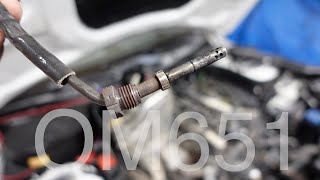
- Check the sensor itself for signs of physical damage or heavy soot build-up. If it’s covered in particulates, that’s a red flag.
- Next, I use a scan tool to confirm which sensor is triggering the code and to check the live data. If the sensor’s readings are way off compared to the others, that’s a clue.
- If everything looks okay visually, I’ll test the sensor’s resistance with a multimeter. Compare the readings to the specs in the service manual.
- Don’t forget to inspect for exhaust leaks near the sensor-sometimes a leak can cause false readings.
- If you’re not comfortable with electrical testing, it’s better to have someone assist you, especially when checking for shorts or open circuits in the wiring.
Make sure to check all connectors for bent or pushed-out pins before moving on to more complex diagnostics.
Common Mistakes and P2475 code
I’ve seen folks jump straight to replacing the sensor without checking the wiring or connectors first. That’s a surefire way to waste money if the real problem is just a loose connection or a broken wire. Another common mistake is overlooking soot build-up on the sensor tip, which can mimic a sensor failure. Skipping the exhaust leak check is also risky-sometimes the leak is the root cause. Honestly, it’s dangerous to ignore the basics before swapping out parts.

Seriousness and P2475 engine code
This isn’t something you want to put off for later. If the sensor isn’t working right, the ECM can’t control exhaust temperatures properly, which means your DPF and DOC could be at risk. Things can go south quickly if the DPF overheats or fails to regenerate, leading to expensive repairs. Plus, you’re likely to see increased emissions, which is a serious hazard for both your vehicle and the environment. Damaged sensors, wiring, connectors, and even the DPF itself can all be affected if this isn’t fixed promptly.
Repair Solutions and P2475 trouble code
Here’s what usually solves the problem, based on verified repair cases:
- Replace the faulty exhaust gas temperature sensor (sensor 4, bank 2) if it’s out of spec or damaged.
- Repair or replace any damaged wiring or connectors-make sure all pins are clean and seated properly.
- Clean the sensor tip if there’s excessive soot build-up, but if it’s too far gone, replacement is best.
- Fix any exhaust leaks near the sensor to prevent false readings.
- Clear the code and test drive to confirm the repair worked and the code doesn’t return.
It’s best to use OEM parts and follow the service manual procedures for your specific vehicle.



Conclusion
To sum it up, P2475 means there’s a problem with the exhaust gas temperature sensor circuit-usually sensor 4 on bank 2. It’s a high-priority issue because it can lead to bigger problems with your emissions system and even damage expensive parts like the DPF. The most reliable way to resolve it is to start with a thorough inspection of the wiring, connectors, and sensor itself, then replace or repair as needed. Don’t ignore this code-acting quickly will save you headaches and money down the road.

 5663
5663 5 minutes of reading