
Causes of P2476 engine code
From what I see most often in the shop, the main culprits for a P2476 code are:
- A faulty exhaust gas temperature sensor (Bank 2, Sensor 4)-these sensors do wear out or fail.
- Wiring problems-open circuits, shorts, or damaged harnesses leading to the sensor.
- Poor electrical connections-corroded, bent, or loose pins at the sensor connector.
- Exhaust leaks near the sensor-these can mess with the readings.
- Excessive soot or particulate buildup on the sensor itself-this is especially common in diesels that do a lot of short trips or idling.
In my experience, sensor failure and wiring issues top the list, but don’t overlook soot buildup if the vehicle has seen a lot of city driving.
Symptoms of obd code P2476
Let me level with you-when P2476 shows up, the number one thing you’ll notice is that annoying check engine light glaring at you from the dash. Sometimes, your car might throw up a warning for the emissions system, or you’ll get a message about reduced engine power. If things get more serious, you could find the vehicle dropping into limp mode, which is basically your car’s way of protecting itself by cutting power. Even if it doesn’t go that far, you might notice you’re burning through more fuel than usual, or spot more smoke puffing out the exhaust-classic signs your emissions system isn’t happy. What I hear from most drivers is it starts with just that light, but trust me, you don’t want to ignore it or let it slide.

Diagnosis steps for dtc P2476
Here’s how I usually tackle a P2476 code:
- First, I start with a visual inspection. Pop the hood and look for any obvious damage to the wiring harness going to the exhaust gas temperature sensor (Bank 2, Sensor 4). Check for melted, frayed, or broken wires.
- Next, I unplug the sensor and inspect the connector. Look for corrosion, bent pins, or anything that doesn’t look right. Sometimes just cleaning and reconnecting can fix the issue.
- If everything looks good, I use a scan tool to check the live data from the sensor. If it’s reading way out of range (like a super high temperature even when the engine is cold), that’s a big clue the sensor itself is bad.
- For a more thorough check, I’ll test the sensor’s resistance with a multimeter and compare it to the specs in the service manual. If it’s open or way off, it needs to be replaced.
- Don’t forget to check for exhaust leaks near the sensor-sometimes a small leak can throw off the readings.
- Finally, if the sensor is covered in soot, I’ll clean it or, if it’s too far gone, replace it. It’s best to have someone assist you if you’re not comfortable working under the vehicle, as these sensors can be tricky to reach.
Always start with the simple stuff before moving on to more complex diagnostics.
Common mistakes when fixing P2476 code
A classic mistake I see in the garage is folks immediately swapping out the sensor without doing their homework on the wiring or connector. That’s a fast way to waste money if all you needed was to fix a crusty connection. Another one-overlooking exhaust leaks or not bothering to check for soot crusted on the sensor. And don’t get me started on changing the wrong sensor. There can be a handful lined up along that exhaust, and if you mix up Bank 2, Sensor 4 with another, you’ll be chasing your tail. My advice? Double-check your work, take your time, and don’t skip the basics before buying new parts.

Seriousness of P2476 trouble code
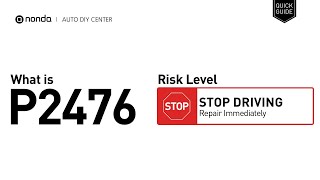
Let me be blunt: this isn’t a code you want to shrug off. If you let P2476 linger, you’re risking real damage to pricey components like your diesel particulate filter (DPF) or oxidation catalyst. Once those start to go, you’re looking at a hefty repair bill. Beyond that, your emissions system won’t be doing its job, leading to worse fuel mileage and possible engine performance issues. Worst case? You’ll find yourself stuck on the side of the road when the car goes into limp mode. Trust me, I’ve seen things escalate fast when these warnings get ignored-so don’t drag your feet on this one.
Repair options for obd2 code P2476
Here’s what usually fixes a P2476 code in my experience:
- Replace the faulty exhaust gas temperature sensor (Bank 2, Sensor 4) if it’s out of spec or not responding.
- Repair or replace any damaged wiring or connectors leading to the sensor.
- Clean or replace the sensor if there’s excessive soot buildup.
- Fix any exhaust leaks near the sensor location.
- Clear the code with a scan tool and verify the repair by checking sensor readings and making sure the code doesn’t return.
Always use OEM parts for sensors-aftermarket ones can cause more headaches than they solve.


Conclusion
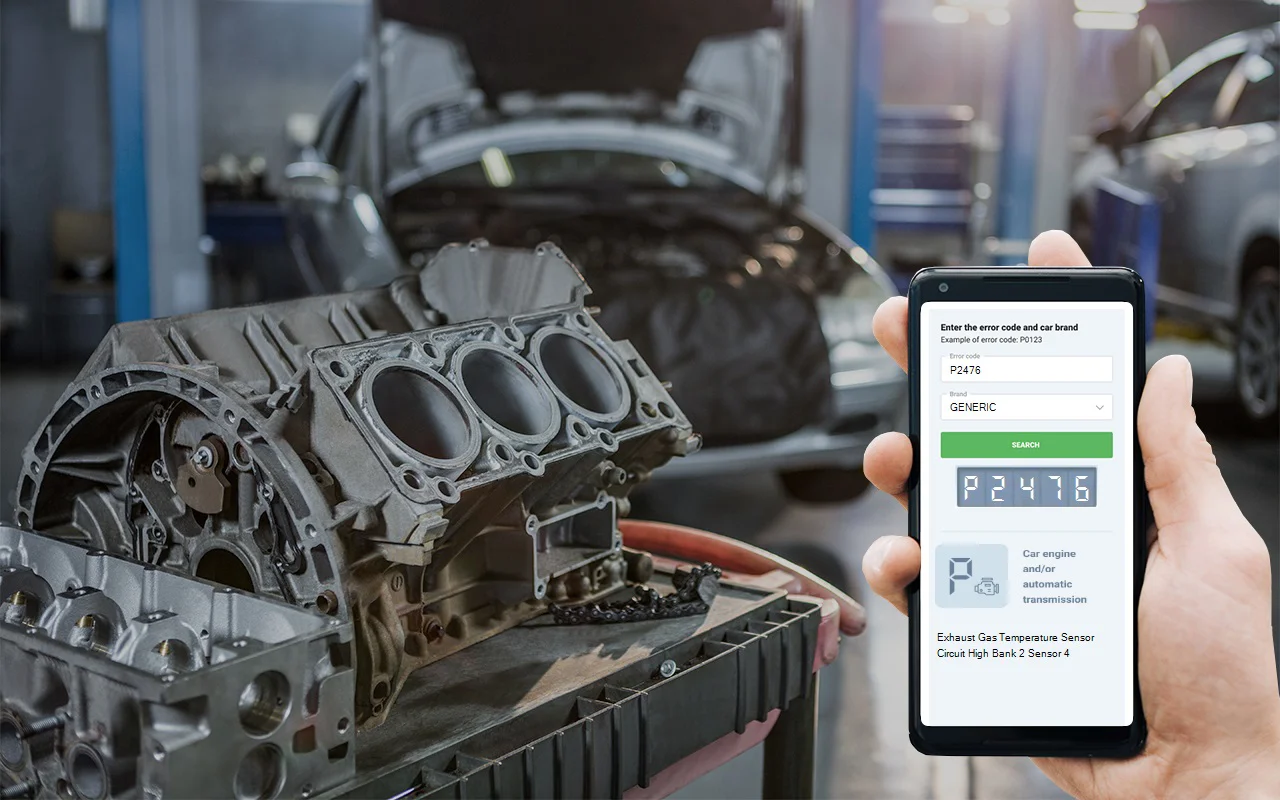
To wrap things up, when you see P2476, it’s your vehicle’s way of telling you the exhaust gas temperature sensor (Bank 2, Sensor 4) is reading way too high. If you let it slide, you’re asking for trouble with the emissions system and could be setting yourself up for much bigger headaches down the road. My advice? Treat it as a high-priority fix. Start by checking the wiring and connectors-sometimes the fix is simpler than you’d expect. Most times, either a new sensor or a proper wiring repair will get you back on track. The sooner you jump on it, the less chance you have of damaging those expensive emissions pieces. And if you’re not sure what you’re looking at, don’t be afraid to call in a pro. It’s always better to be safe than sorry.
 5693
5693 6 minutes of reading