
Main Causes of obd2 code P247A
From my time turning wrenches on Chevys, Fords, and GMCs, I can tell you the usual suspects for P247A don’t change much. Here’s what I see triggering this code most often:
- The exhaust gas temperature sensor (bank 1, sensor 3) itself craps out-hands down, this is the most common cause.
- Wiring going to the sensor gets damaged, pinched, or just works itself loose at the connector. Sometimes you’ll even find corrosion mucking up the connection.
- An open or shorted circuit somewhere in the harness. It doesn’t take much-a cracked wire can do it.
- Small exhaust leaks near the sensor. Even a tiny leak will throw off its readings and confuse the ECM.
- The tip of the sensor gets coated in soot or particulates, especially on trucks that spend their lives idling or running short hops around town.
If you ask me, bad wiring and failed sensors are by far the most common, but I can’t tell you how many times I’ve found a sensor completely choked with soot, especially on diesels that don’t get out on the highway often.
Recognizing Symptoms of P247A trouble code
When P247A is in play, the check engine light almost always lights up the dash. Now, most drivers won’t notice anything strange with how the truck runs-at least not right away. But keep an eye out for these:
- That engine warning or service light glaring at you.
- Occasional messages about emissions or exhaust system issues popping up on your display.
- Sometimes, if the ECM is really worried, you’ll get thrown into limp mode or reduced power, especially if it thinks the exhaust temps are out of control.
Truth is, you might not feel much at first. But let this one slide, and you could be looking at some major repairs before you know it.

Effective Diagnosis Using dtc P247A
Whenever I run into a P247A, here’s the step-by-step I follow-and it’s never let me down:
- First thing, give everything a good look. Pop the hood, trace the wiring to the exhaust gas temperature sensor (bank 1, sensor 3), and check for anything obvious: broken wires, loose or dirty connectors, green corrosion-don’t rush it, and use a flashlight and mirror if you have to.
- Next, see if the sensor tip is covered with soot. If you can get to it, a quick inspection can tell you a lot-too much buildup and the readings go haywire.
- Check for exhaust leaks right near the sensor. Listen for that tell-tale hissing, or look for black soot streaks around clamps and flanges.
- If everything looks good, fire up the scan tool and watch live data from the sensor. Compare it with the other exhaust temp sensors. If one is way off, that’s your smoking gun.
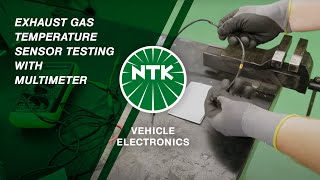
- Feeling handy? Grab a multimeter and check the sensor’s resistance. You’ll need the factory specs for your model, but if the numbers don’t match, you’ve found your problem.
- If you’ve checked the sensor and wiring and still can’t shake the code, then and only then do I start thinking about the ECM. But honestly, it’s rare for the computer to be at fault here.
After any repair, always clear the code and take it for a spin. If the code comes back, you missed something. If it stays gone, you nailed it.
Avoiding Common Mistakes with P247A code
I can’t count how many times I’ve seen folks make these mistakes chasing a P247A:
- They swap out the sensor without checking the wiring or connector-sometimes it’s just a loose pin or a little corrosion causing all the trouble.
- They ignore small exhaust leaks around the sensor. Even a pinhole can cause a headache.
- They never bother to clean or even inspect the sensor for soot, especially if the truck’s been racking up miles in city traffic.
- They assume it’s always the sensor because that’s what the code says. Sometimes, it’s the harness-or on rare occasions, the ECM acting up.
Do yourself a favor: take it step by step. Check the basics before you start throwing parts at the problem.

How Serious is the P247A engine code
Let me put it plainly-this isn’t a code you want to ignore. While your truck might seem fine for now, a faulty exhaust gas temperature sensor means the ECM can’t keep tabs on exhaust temps. If things get too hot, you’re risking damage to the DPF or DOC, which can lead to a wallet-busting repair. I’ve seen DPFs melt, catalytic converters get cooked, and in extreme cases, you could even have a fire hazard on your hands. Waiting it out is a gamble, and the longer you wait, the higher the repair bill climbs.
Best Repair Solutions for P247A
Here’s what’s worked for me and what the factory service manuals recommend:
- Swap out the exhaust gas temperature sensor (bank 1, sensor 3) if it’s giving bad readings or won’t respond at all.
- Fix or replace any broken wires or sketchy connectors leading to the sensor. A little solder and heat shrink can go a long way.
- If you find the sensor tip packed with soot, sometimes a careful cleaning will solve it, but honestly, replacement is usually your best bet.
- Seal up any exhaust leaks near the sensor-tighten those bolts, get new gaskets, or patch up holes as needed.
- Finish up by clearing the code and taking it for a decent test drive to make sure the fix sticks.
On the rare occasion the ECM is the root cause, you might have to reflash or swap it out-but that’s the exception, not the rule.


Conclusion
Bottom line: if you’re seeing P247A, your exhaust gas temperature sensor (bank 1, sensor 3) is feeding the ECM bogus readings, and that spells trouble for your emissions system and wallet. Don’t drag your feet on this one. The smartest move is to get in there, inspect the wiring and sensor, and fix what’s broken. Stick to the fundamentals, and you’ll have your truck back on the road before bigger problems crop up.

 6460
6460 6 minutes of reading