
Main Causes of P247B
From experience, the most common reasons I see for a p247b code are:
- A faulty exhaust gas temperature sensor (EGTS) itself-these sensors do wear out over time, especially with all the heat they’re exposed to.
- Wiring harness problems, like a broken wire or a short circuit. Sometimes the insulation cracks or a connector gets loose or corroded.
- Poor electrical connections at the sensor-think bent pins, pushed-out terminals, or even a bit of corrosion.
- Exhaust leaks near the sensor, which can throw off the readings.
- Excessive soot or ash buildup on the sensor tip, which can insulate it and cause false readings.
Most often, it’s the sensor itself or a wiring issue. But I’ve seen all of these pop up in the shop, so it’s worth checking each one carefully.
Typical Symptoms Linked to OBD Code P247B
When this code is active, the most obvious thing you’ll notice is the check engine light coming on. Sometimes, you might also see a warning about the emissions system or a message to service the exhaust system. In most cases, you probably won’t feel any difference in how the truck drives at first. But if the problem sticks around, it can lead to issues with the DPF regeneration process, which might eventually cause reduced engine power or even put the vehicle into limp mode. From what I’ve seen, most drivers don’t notice anything except the warning lights-at least at first.

Diagnosis Steps for P247B Code
Here’s how I usually tackle a p247b code, step by step:
- Start with a visual inspection. I recommend popping the hood and looking for any obvious damage to the wiring going to the exhaust gas temperature sensor (bank 1, sensor 4). Check for melted wires, loose connectors, or signs of corrosion.
- Gently wiggle the connector at the sensor. If the check engine light flickers or the code clears and comes back, that’s a clue the connection is bad.
- Check for exhaust leaks near the sensor. Sometimes you’ll see soot marks or hear a ticking sound. Even a small leak can mess with sensor readings.
- If everything looks good, I use a scan tool to read the live data from the sensor. If the temperature reading is way off compared to the other sensors, or it doesn’t change as the engine warms up, that’s a red flag.
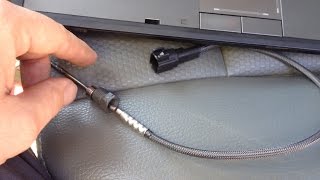
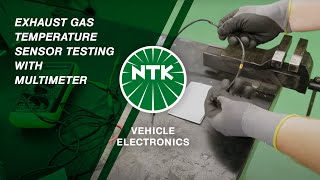
- Next, I’ll unplug the sensor and check the resistance with a multimeter. Compare the reading to the manufacturer’s specs. If it’s way off, the sensor is likely bad.
- If the sensor checks out, I’ll move on to the wiring-checking for continuity and shorts between the sensor and the engine computer.
- Don’t forget to check for soot buildup on the sensor tip. If it’s caked with carbon, that can cause false readings too.
It’s better to have someone assist you when checking live data or wiggling connectors, just to be safe.
Frequent Errors When Resolving DTC P247B
I’ve seen a few common slip-ups with this code. One is replacing the sensor right away without checking the wiring or connectors-sometimes it’s just a loose pin or a corroded terminal. Another mistake is ignoring possible exhaust leaks, which can be sneaky and easy to miss. And don’t forget to check for soot buildup on the sensor itself; cleaning it off can sometimes save you the cost of a new sensor. Skipping these steps can lead to wasted time and money, so it pays to be thorough.

How Serious Is the P247B Trouble Code
Honestly, this isn’t something you want to ignore. While it might not cause immediate drivability issues, it’s a serious hazard for your emissions system. If the sensor isn’t working right, the engine computer can’t control the DPF regeneration process properly. That can lead to excessive soot buildup, clogged filters, and even damage to the DPF or DOC-those are expensive parts to replace. In the worst case, you could end up with reduced engine power or stuck in limp mode, which is no fun on the road. Things can go south quickly if overlooked, so don’t put this off for later.
Recommended Repairs for OBD2 Code P247B
Here’s what I personally recommend for fixing an obd2 code p247b, based on what’s worked in the shop:
- Replace the exhaust gas temperature sensor (bank 1, sensor 4) if it’s out of spec or not responding.
- Repair or replace any damaged wiring or connectors you find during your inspection.
- Clean any soot or ash buildup off the sensor tip, if possible.
- Fix any exhaust leaks near the sensor-this might mean tightening clamps or replacing gaskets.
- Clear the code and test drive the vehicle to make sure the repair worked and the code doesn’t come back.
It’s best to start with the simple stuff-wiring and connectors-before replacing the sensor itself.

Conclusion
To sum it up, P247B means your exhaust gas temperature sensor (bank 1, sensor 4) isn’t sending the right signal, which can mess with your emissions system and lead to bigger problems if ignored. It’s important to diagnose this promptly-start with a careful inspection of the wiring, connectors, and sensor itself. The risk level is high for downstream damage if you let it go, so I recommend addressing it as soon as possible. The most reliable fix is usually repairing the wiring or replacing the sensor, and making sure there are no exhaust leaks or soot buildup. Don’t wait-get it checked out and fixed to keep your vehicle running safely and avoid costly repairs down the line.

 5566
5566 6 minutes of reading