
Causes of P2482 trouble code
From what I’ve seen in the shop and what the official manuals say, there are a few usual suspects behind a p2482 code:
- Most often the issue is a damaged or unplugged EGT sensor (Sensor 5 in this case).
- Corroded, broken, or loose wiring or connectors going to the sensor-road salt and heat can really do a number here.
- Short to power or open circuit in the wiring harness, sometimes from rubbing or pinching against other parts.
- Less commonly, a failed engine control module (ECM) output driver, but that’s rare in my experience.
I recommend starting with the sensor and wiring, since that’s where I find the problem most of the time.
Symptoms related to P2482
If this code pops up, you’ll probably notice a few things. The check engine light will almost always come on. In some cases, you might see a warning about the emissions system or a message about reduced engine power. Sometimes, the truck might go into a limp mode to protect itself, especially if the emissions system can’t do its job. From experience, you might also notice the exhaust aftertreatment system isn’t regenerating properly, which can eventually lead to more serious drivability issues if ignored.

Diagnosis steps for P2482 code
Here’s how I usually tackle a p2482 code, step by step:
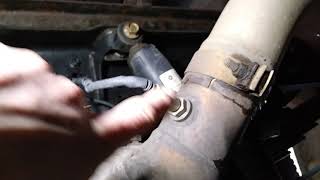
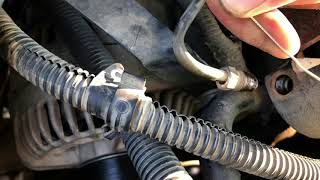
- First, I always start by visually inspecting the EGT sensor and its wiring harness. Look for any obvious damage, loose connectors, or corrosion. It’s best to have someone help you wiggle the wires while you watch for changes.
- Next, I use a scan tool to check the live data for EGT Sensor 5. If it’s reading way out of range (like a fixed high or low value), that’s a big clue.
- If the sensor looks suspicious, I unplug it and check the connector pins for bent or pushed-out terminals. Don’t forget to check for moisture or corrosion inside the connector.
- Then, I use a multimeter to check for continuity and shorts in the wiring between the sensor and the ECM. If you find an open circuit or a short to power, that’s your culprit.
- If everything checks out but the code keeps coming back, I’ll swap in a known good sensor to see if that clears things up. Only after all that would I suspect the ECM itself, and that’s pretty rare.
It’s best to start with the simple stuff-wiring and connectors-before moving on to more complex checks.
Common Mistakes when fixing obd2 code P2482
I’ve seen a few common mistakes when folks try to tackle this code. One is replacing the sensor right away without checking the wiring-sometimes it’s just a loose or corroded connector. Another is not checking for shorts to power or open circuits in the harness, which can lead to wasted time and money. Also, don’t forget to clear the code and see if it comes back after repairs; sometimes people skip this step and think the problem’s fixed when it isn’t. Take your time with the basics before jumping to conclusions.

Seriousness of obd code P2482 issue
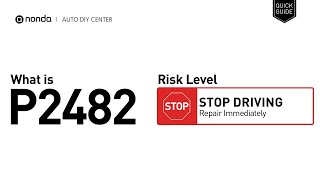
This isn’t something you want to ignore. If you leave a p2482 code unresolved, it can cause the emissions system to stop working right. That means the DPF might not regenerate, which can clog it up and lead to expensive repairs. In the worst case, you could end up with reduced engine power or even engine damage if things get bad enough. Honestly, it’s dangerous to put this off-things can go south quickly if overlooked, and you don’t want to risk damaging your emissions components or getting stranded.
Repair steps for dtc P2482
Here’s what I typically do to fix a p2482 code, based on what’s worked in the field and what the manuals say:
- Repair or replace any damaged wiring or connectors going to EGT Sensor 5.
- Replace the EGT sensor itself if it’s faulty or giving out-of-range readings.
- Clean any corroded terminals and make sure all connectors are fully seated and locked.
- In rare cases, if all else fails, check the ECM output driver circuit and replace the ECM if it’s confirmed bad (but this is almost never needed).
After repairs, always clear the code and test drive to make sure it doesn’t come back.

Conclusion
To sum it up, P2482 means your vehicle’s exhaust gas temperature sensor circuit isn’t working right, and that can put your emissions system at risk. It’s a moderate to high-priority issue-don’t put it off. Start with a careful inspection of the sensor and wiring, since that’s usually where the problem lies. If you catch it early and fix it right, you’ll avoid bigger headaches and keep your vehicle running safely and cleanly. That’s the most reliable way to handle this kind of trouble.

 5616
5616 5 minutes of reading