
Causes of obd code P249C
From experience, the most common reasons for a p249c code are usually related to the SCR system not warming up or activating as quickly as it should. Here’s what I see most often:
- Faulty or slow SCR sensors (like NOx or temperature sensors)
- Wiring or connector problems-damaged, corroded, or loose connections in the SCR harness
- Issues with the DEF (Diesel Exhaust Fluid) injector or pump
- Low DEF fluid level or poor quality fluid
- Exhaust leaks upstream of the SCR catalyst
- In rare cases, a malfunctioning SCR control module
For Ford vehicles, the code specifically points to the time it takes for the SCR to reach closed loop, so anything that slows down that process is suspect.
Symptoms of obd2 code P249C
Whenever this code is triggered, that dreaded check engine light will almost always greet you on the dash. Most of the time, you won’t feel a single difference behind the wheel-no weird noises, no sluggish response. But don’t let that lull you into ignoring it. If the issue hangs around, some vehicles will slap on ‘limp mode’ or cut engine power to protect the emissions gear. You might also catch a warning message about the DEF or emissions system flashing up as a heads-up.

Diagnosis steps for P249C code
Here’s how I usually approach a p249c step by step:
- First, I check the basics: make sure the DEF fluid level is correct and the fluid is fresh-not expired or contaminated.
- Next, I visually inspect the SCR system wiring and connectors. Look for any obvious damage, corrosion, or loose pins. It’s better to have someone help wiggle the harness while you watch for changes.
- Then, I scan for any other related codes, especially ones for NOx sensors, temperature sensors, or the DEF system. These can point you right to the culprit.
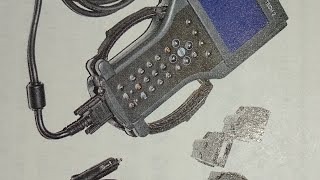
- If everything looks good so far, I use a scan tool to monitor SCR sensor data during a cold start. I’m looking to see if the sensors are reading correctly and if the system is switching to closed loop in a reasonable time.
- If the sensors are slow to respond or show odd readings, I’ll test them individually-sometimes swapping with a known good sensor if possible.
- Finally, I check for exhaust leaks before the SCR catalyst, since even a small leak can throw off sensor readings and delay closed loop operation.
Don’t forget to check the basics before jumping to conclusions-sometimes it’s just a loose connector or bad fluid.
Common mistakes with P249C trouble code
A classic mistake I see is folks throwing expensive parts at the problem before looking at the simple stuff. Swapping sensors or even modules, only to realize it was a crusty connector or a bad wire all along. Another one? Overlooking DEF fluid quality. Old, contaminated, or watered-down DEF can cause all kinds of headaches for the SCR. And let’s not forget sneaky exhaust leaks-they’re easy to miss but can absolutely mess with the system. Always tackle the basics first; it’ll save you time, money, and a lot of frustration.

Seriousness of P249C
Don’t brush this one off. Sure, the truck or car might drive just fine for now, but letting a P249C code linger is just asking for bigger trouble down the road. If your SCR system isn’t doing its job, you’re bound to fail emissions-sometimes the computer will even put your engine in limp mode or refuse to start to protect itself. And replacing things like SCR catalysts or NOx sensors? That hits the wallet hard. It’s wise to jump on this early and keep those repair bills in check.
Repair options for P249C engine code
When it comes to fixing a p249c, here are the solutions that have worked for me time and time again:
- Track down and repair any damaged, corroded, or loose wiring or connectors in the SCR system
- Swap out faulty NOx or temperature sensors with new ones
- Seal up any exhaust leaks you find before the SCR catalyst
- Drain out old DEF and fill the tank with fresh, high-quality fluid
- If all else fails, you might have to replace the DEF injector, pump, or even the SCR control module-but that’s pretty rare
Here’s a pro-tip from the garage: Always clear the code and take the vehicle for a solid test drive with your scan tool hooked up. Make sure the system really hits closed loop before calling the job done.


Conclusion
Here’s the bottom line: P249C means your emissions system isn’t kicking in as quickly as it should, and the root cause is almost always tied to a sensor, wiring, or fluid issue in the SCR setup. Ignoring it is asking for bigger, pricier repairs-not to mention failing inspections. If you start with the basics-fluid, wiring, connectors-you’ll often solve the problem without breaking a sweat or the bank. That’s the approach that’s worked for me, and it’s the surest way to keep your vehicle healthy and ready for whatever the road (or test station) throws at it.

 4992
4992 5 minutes of reading