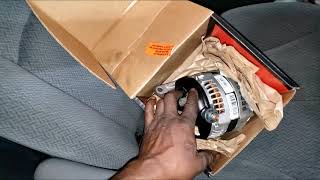
Let me break down what code P2503 means for your vehicle. This code stands for “Charging System Output Low.” In plain English, your car’s computer (the PCM) is keeping an eye on the battery voltage while the engine’s running. If it notices that the voltage drops below what it expects for more than a few seconds, it sets this code. The charging system’s main job is to keep your battery charged and supply power to everything electrical while you’re driving. The alternator is the heart of this system, generating electricity and keeping everything running smoothly. If the alternator isn’t putting out enough juice, or if something else in the system is off, you’ll see this code pop up. The voltage regulator also plays a role, making sure the alternator doesn’t overcharge or undercharge the battery. When the system isn’t working right, the PCM flags it, and that’s when you get P2503.
DTC P2503
 6043
6043 5 minutes of reading
Causes of obd code P2503
From what I’ve seen in the shop and what the official manuals say, the most common reasons for a P2503 code are:
- A failing alternator - This is the usual suspect. If the alternator can’t keep up, the battery voltage drops.
- Battery issues - Sometimes the battery itself is weak or failing, and can’t hold a charge.
- Wiring problems - Corroded, loose, or damaged wires between the alternator, battery, and PCM can cause voltage drops.
In my experience, alternator and battery problems are the top two, but don’t overlook the wiring. I’ve seen more than a few cases where a simple loose connection was the culprit. The p2503 code can occur on vehicles from various manufacturers, including Ford and Renault.
Symptoms of P2503 engine code
Here’s what you might notice if your car has a P2503 code:
- The check engine light comes on - That’s usually the first sign.
- Hard starting or a complete “no start” - If the battery gets too low, you might turn the key and get nothing.
- Stalling while driving - This is a big red flag. If the charging system isn’t working, the car can just shut off, even while you’re moving.
Sometimes you might also notice dim headlights, slow power windows, or other electrical gremlins. If you’re seeing any of these, don’t ignore them. The p2503 error might be detected by your car’s diagnostic system.

Diagnosis steps for P2503 trouble code
Here’s how I tackle a P2503 code, step by step:
- Start by checking the battery terminals - Make sure they’re clean and tight. Corrosion here can cause all sorts of headaches.
- Test the battery - Use a voltmeter to check the voltage with the engine off. You should see around 12.6 volts on a healthy battery. If it’s much lower, the battery could be bad.
- Check the charging voltage - With the engine running, measure voltage at the battery again. You should see between 13.5 and 14.7 volts. If it’s lower, the alternator might not be charging.
- Inspect the alternator belt - Make sure it’s not loose or slipping. A worn belt can cause low output.
- Look for damaged or loose wiring - Pay special attention to the cables going to the alternator and battery. Any frayed wires or loose connections can cause trouble.
- If everything looks good so far, scan for other codes - Sometimes there are related codes that can point you in the right direction.
It’s best to have someone help you when checking voltages, especially if you’re not used to working around a running engine. And always be careful - batteries and alternators can pack a punch. The dtc p2503 can be accurately identified with a proper scan tool.

Common Mistakes when troubleshooting dtc P2503
I’ve seen a few common missteps when folks try to fix this themselves:
- Replacing the battery without checking the alternator - If the alternator’s bad, a new battery will just drain again.
- Overlooking simple wiring issues - Sometimes it’s just a loose or corroded connection, not a failed part.
- Ignoring the alternator belt - A slipping belt can mimic a bad alternator.
- Not checking for other codes - There could be more clues hiding in the system.
Don’t skip the basics. It’s easy to jump to conclusions, but a thorough check saves time and money.

How Serious is the P2503 Code
This isn’t something to put off. If your charging system isn’t working, your battery will drain fast, and you could end up stranded or stalled in traffic. That’s a serious hazard, especially at night or in bad weather. Ignoring this can also damage the battery, alternator, and even sensitive electronics in your car. Things can go south quickly if you overlook a charging system problem. I always tell folks - don’t wait until you’re stuck on the side of the road.
Repair options for obd2 code P2503
Here’s what usually fixes a P2503 code, based on what I see and what the manuals say:
- Replace a faulty alternator - If it’s not charging, it’s got to go.
- Install a new battery - If the battery fails a load test, swap it out.
- Repair or replace damaged wiring - Any bad connections or corroded wires need attention.
- Replace or tighten the alternator belt - If it’s worn or loose, fix it before it causes more trouble.
Always follow the specific repair steps for your make and model. A proper fix means checking everything, not just swapping parts. The p2503 issue may require diagnosis with professional obd tools.
Conclusion
To sum it up, code P2503 means your car’s charging system isn’t keeping up, and that’s a big deal for both reliability and safety. The most common causes are a bad alternator, a weak battery, or wiring issues. Start with the simple checks - battery, belt, and wiring - before moving on to bigger repairs. Don’t ignore this code; it can leave you stranded and cause bigger problems if left unchecked. The best path is a thorough diagnosis and fixing the root cause, not just clearing the code. That’s the surest way to keep your car running strong and safe.