
Causes and obd2 code P2507
From experience, the most common reasons I see for a p2507 code are:
- Low battery voltage - maybe your battery is getting weak or there’s a charging system issue.
- A faulty PCM or ECM - the computer itself could be failing, but that’s less common.
- Wiring harness problems - things like broken, corroded, or loose wires going to the computer.
- Poor electrical connections - especially at the computer’s connectors, sometimes pins get bent or pushed out, or corrosion sets in.
Most often the issue is with the battery or wiring, not the computer itself. But every now and then, I do see a failed PCM or ECM, especially if there’s been water intrusion or a big electrical surge.
Symptoms and P2507 engine code
With this code live, that check engine light’s usually the first thing you’ll notice. Sometimes, you might not feel any real difference behind the wheel, but don’t count on getting off that easy. You could run into rough idling, hesitation, or even stalling if things get bad enough. I’ve seen cars refuse to start, or act up electrically-think flickering dash lights or odd gauges. But sometimes, the only clue you get is that pesky warning light glaring at you every time you drive.

Diagnosis and dtc P2507
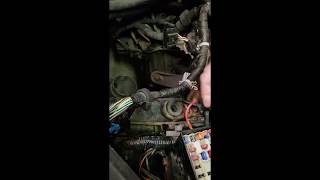
When I’m troubleshooting a P2507, I always start with the basics-no fancy tools needed at first. Grab a multimeter and check the battery voltage; you want to see at least 12.4 volts with the engine off. If it’s low, charge it up or swap in a battery you know is good. Next spot to check? The battery terminals and cables. I can’t tell you how often a bit of corrosion or a loose clamp has been the root of the problem. Once that’s ruled out, I go after the wiring harness running to the PCM or ECM, looking for frayed wires, pinched spots, or signs of water damage. Here’s a pro-tip: have someone gently wiggle the harness while you watch the voltage or see if the check engine light flickers. After that, unplug the computer’s connectors and inspect the pins-bent, pushed out, or corroded pins can cause all sorts of gremlins. Don’t overlook the main relay; it’s the gatekeeper for power to the computer. If everything else checks out and you’re still stuck, only then do I start suspecting the PCM or ECM itself. But honestly, it’s almost always something simpler, so save the expensive parts for last.
Common Mistakes and P2507 trouble code
A classic mistake I see is folks jumping the gun and replacing the PCM or ECM right off the bat, without giving the battery or wiring a second look. That’s a fast way to burn through your cash. Overlooking a loose or crusty battery terminal is another big one-it sounds basic, but you’d be shocked how often that’s the real culprit. People also tend to skip checking the main relay or ignore a bent pin in the connectors. Skipping these steps is like leaving your tools at home and hoping the job gets done-just doesn’t work.

Seriousness and P2507
If you’re thinking of ignoring this code, think again. Unstable power to your car’s computer can mean your engine and transmission aren’t being managed right. That spells trouble-stalling, weak performance, or a car that just won’t start. Worst case? You could get stranded, or fry the computer altogether if the voltage keeps spiking or dipping. It can go from annoying to catastrophic in a hurry. The PCM/ECM, relays, and even other sensitive electronics are all at risk if you let this one slide.
Repair and P2507 code
Here’s my go-to game plan for fixing a P2507, all depending on what turns up during diagnosis:
- Start by cleaning and tightening all battery terminals and ground points.
- If the battery’s weak or on its last leg, replace it.
- Fix or swap out any damaged wiring or connectors feeding the PCM/ECM.
- If you find the main relay acting up, replace it without hesitation.
- And only if every other possibility is shot down, consider swapping the PCM/ECM itself.
Start simple and work your way up. Nine times out of ten, it’s a battery or wiring issue, not the computer.

Conclusion
Bottom line? P2507 means your car’s computer can’t get the power it needs, and that’s not something you want to ignore. My advice-start with the battery and wiring, because that’s where trouble usually hides. Don’t kick this can down the road; the risks of stalling or zapping your computer are real. The best way to beat this code is to work through the power supply system methodically, fix what you find, and only reach for a new computer as a last resort. Take care of it now, and you’ll dodge much nastier problems later.

 5697
5697 5 minutes of reading