
Causes of P250A code
From experience, the most common causes for a P250A code are pretty straightforward. Here’s what I usually see in the shop:
- Engine oil level is incorrect-either too low or too high.
- The engine oil level sensor itself is faulty.
- The wiring harness for the oil level sensor is damaged, open, or shorted.
- Connector issues-broken, bent, pushed out, or corroded pins at the sensor plug.
Symptoms of obd code P250A
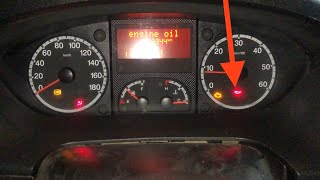
When this code is active, the most obvious thing you’ll notice is the check engine light coming on. In some cases, you might also see a service engine warning or an oil level warning on your dashboard. Most drivers won’t feel any difference in how the car runs, but ignoring these warnings is risky. If the oil level is actually low, you could start hearing engine noise, and in extreme cases, the engine could run rough or even suffer damage.

Diagnosis and troubleshooting for P250A engine code
Let me walk you through the steps I’ve used countless times to track down a P250A code:
- First, grab that dipstick and check your oil level-make sure the car’s parked somewhere flat and the engine’s cooled off. I can’t tell you how many times a simple top-up solves the problem.
- If the level looks spot-on, next you want to eyeball the oil level sensor and its wiring. Look for any obvious issues: cracked wires, loose or dirty connectors, or corrosion. Sometimes a flashlight and a buddy help spot things you might miss solo.
- Pay close attention to the connector pins-if any are bent, pushed out, or green with corrosion, that’s a red flag. Everything needs to fit snugly.
- Still seeing the code? Now’s when you’ll want to test the sensor electrically. A multimeter is your friend here-check for proper voltage and continuity in the circuit. If you’re not comfortable poking around with electrical tools, don’t sweat it; this is where a pro can really save you some headaches.
- If the sensor and wiring all check out and you’re still getting the code, the engine control module might be the culprit, but honestly, that’s pretty rare in my experience.
Common mistakes when fixing P250A
I’ve seen folks jump straight to replacing the sensor without checking the oil level first. That’s a surefire way to waste money. Another common mistake is ignoring connector issues-corrosion or loose pins can cause all sorts of weird problems. Skipping the wiring inspection is another pitfall. Always start with the basics before moving on to expensive parts.

Seriousness of dtc P250A
Don’t underestimate this one. If your oil level’s actually low, you’re flirting with disaster-engine damage can sneak up fast and leave you staring at a massive repair bill. Even if it’s just the sensor or wiring acting up, driving around with your warning light on means you might miss a real problem down the road. I’ve seen engines get wiped out because a driver ignored the warning, thinking it was just a glitch. Play it safe: address this code right away or you’re risking your bearings, pistons, and even the crankshaft.
Repair steps for P250A trouble code
Here’s what usually fixes a P250A code:
- Correct the oil level-add or remove oil as needed.
- Replace a faulty oil level sensor if it’s not working right.
- Repair or replace damaged wiring or connectors at the sensor.
- Clean any corroded connector pins and make sure everything is plugged in securely.



Conclusion
So, here’s the bottom line: P250A means your car’s computer isn’t happy with what it’s hearing from the oil level sensor. Don’t blow it off-leaving this unchecked is playing with fire. Start simple. Check your oil, inspect the wiring, and make sure those connectors are tight and clean. Nine times out of ten, the fix is something small. Handle it right, and you’ll keep your engine running strong for years to come.

 3189
3189 5 minutes of reading