
Main Causes of the P250D Engine Code
From experience, the most common causes for a P250D code are pretty straightforward, but it’s important to check each one carefully. Here’s what I usually find:
- Engine oil level is incorrect-either too low or too high. This is surprisingly common and easy to overlook.
- The engine oil level sensor itself is faulty or has failed.
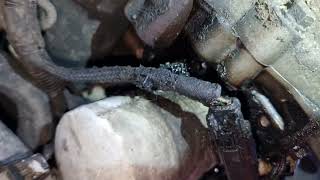
- The wiring harness to the oil level sensor is damaged, open, or shorted-sometimes due to heat, age, or rodents.
- The connector at the sensor is loose, corroded, or has bent pins.
- Less often, there’s a problem with the ECM or its ability to read the sensor, but that’s rare compared to the others.
Most often the issue is with the oil level or the sensor itself, but I always recommend checking the wiring and connectors before replacing any parts.
Typical Symptoms of OBD2 Code P250D
When this code is active, the most obvious thing you’ll notice is the check engine light or a service warning popping up on your dash. In most cases, you won’t feel any difference in how the car drives, but don’t let that fool you-ignoring it can lead to much bigger problems. Some vehicles might display a specific oil level warning or message. If the oil really is low, you might also hear ticking noises from the engine, or in severe cases, see the oil pressure warning light. But usually, it’s just the warning light and maybe a message about oil level.

Step by Step Diagnosis for P250D
Here’s how I personally tackle a P250D code, step by step:
- First, I check the engine oil level with the dipstick. Make sure the car is on level ground and the engine is cool. If the oil is low, top it up to the correct level. If it’s overfilled, drain some out-either extreme can trigger this code.
- Next, I visually inspect the oil level sensor and its wiring harness. Look for obvious damage, chafing, or broken wires. Don’t forget to check the connector for corrosion, bent pins, or anything that looks out of place.
- If everything looks good, I use a scan tool to clear the code and see if it comes back. If it does, I’ll use a multimeter to check the sensor’s signal and ground circuits for continuity and proper voltage. It’s better to have someone assist you here-one person can wiggle the harness while the other watches the readings.
- If the wiring checks out but the code remains, I’ll test or swap the oil level sensor itself, following the OEM procedure. Sometimes, swapping with a known-good sensor from another vehicle (if available) can quickly confirm a bad sensor.
- Only after all these checks would I consider a problem with the ECM, but that’s extremely rare in my experience.
It’s best to start with the simple stuff-oil level and wiring-before jumping to conclusions about failed parts.
Common Mistakes When Dealing with the P250D Trouble Code
A classic mistake I see all the time? Folks replace the oil level sensor right off the bat, without even glancing at the actual oil level or giving the wiring a once-over. That’s a fast track to wasting money. Another misstep is ignoring the connector-sometimes it’s just a bit of corrosion or a loose fit, and a simple cleaning or reseating does the trick. And don’t get caught overlooking hidden wiring damage, especially under covers or anywhere close to those hot engine parts. Skipping these basics can set you up for headaches and unnecessary repairs.

How Serious is OBD Code P250D
Let’s not sugarcoat it-this code is nothing to shrug off. If your oil level is actually low, you’re dancing on the edge of catastrophic engine failure. Things can get ugly fast. Even if it’s just a bad sensor or some sketchy wiring, that means your ECM won’t be able to warn you if the oil drops for real next time. That’s a dangerous spot to be in, because running low on oil can chew up bearings, wipe out camshafts, or even grenade the whole engine. Bottom line? Don’t put this off-get it sorted before it turns into a wallet-busting disaster.
Effective Repair Solutions for P250D Code
Here’s what I’ve found works, time and again, in the real world and following what the manufacturers lay out:
- Adjust the engine oil level if it’s off-either low or high. Always use the correct type and amount for your engine.
- Fix or swap out any damaged wires or connectors leading to the oil level sensor.
- If the sensor itself tests bad, replace it with a quality part. Don’t just guess-test it first.
- Clear the code and double-check that it doesn’t show up again after repairs.
On those rare occasions when none of that solves it, you might need to dig deeper into the ECM or related circuits, but in all my years, that’s barely ever the case.



Conclusion
To wrap it up, P250D means your ECM isn’t getting the oil level info it needs, and it’s sounding the alarm for a reason. Nine times out of ten, it’s down to the oil level, a faulty sensor, or a wiring snafu. Treat this code as urgent-let it slide and you could be hunting for a new engine. Start simple: check your oil, look over the connections, and only swap out parts after you’ve confirmed what’s really bad. Quick, methodical troubleshooting is your best friend here, and it’s the surest way to keep your car’s heart beating strong for the long haul.

 6219
6219 6 minutes of reading