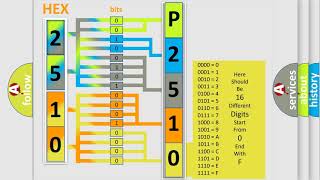
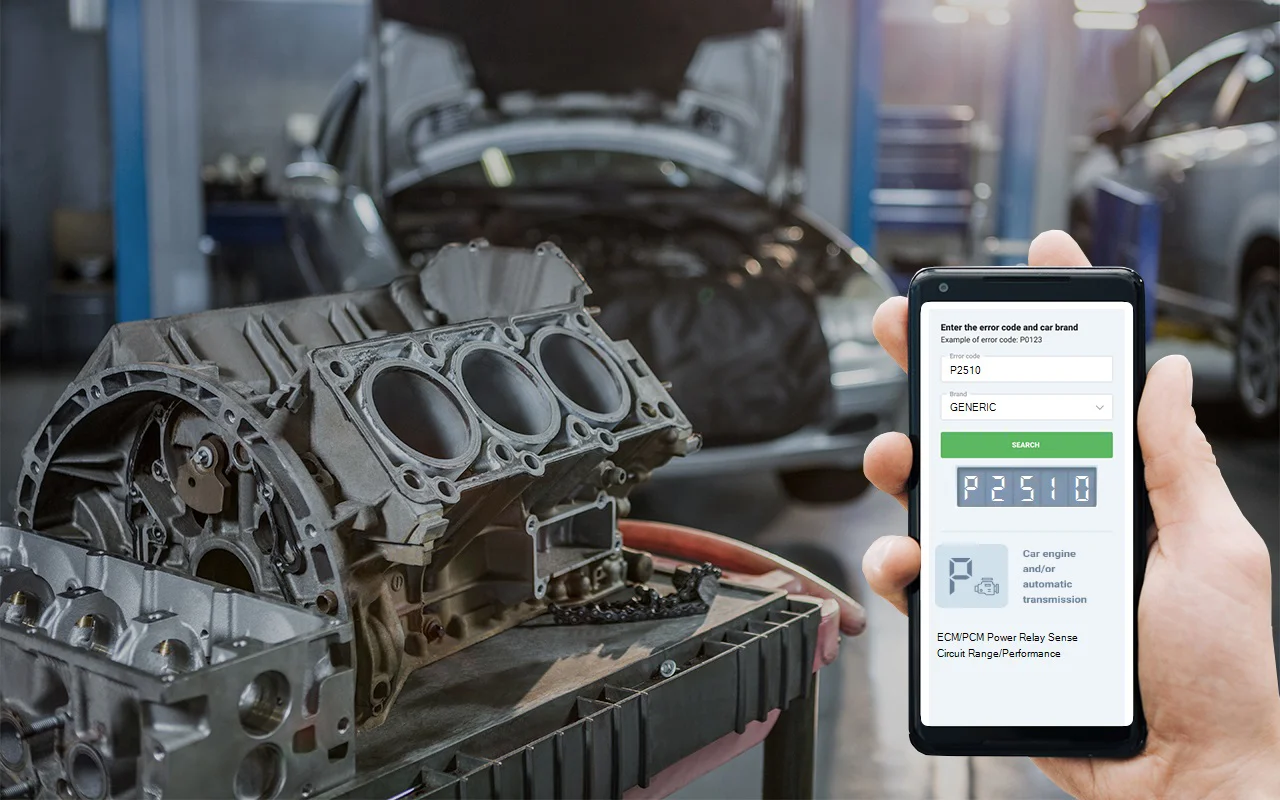
Let me break down what code P2510 means for you. This code stands for “ECM/PCM Power Relay Sense Circuit Range/Performance.” In plain English, your vehicle’s main computer-the PCM, or Powertrain Control Module-relies on a special relay to get the power it needs to run the engine and transmission systems. This relay acts like a gatekeeper, switching power on and off as needed. If the PCM senses that this relay isn’t working right-maybe it’s not getting the right voltage, or the circuit isn’t performing as it should-it triggers the P2510 code. This is the car’s way of telling you there’s a problem with how power is being supplied to its brain. Most often, this issue is tied to the relay itself, the wiring, or in rare cases, the PCM module. The whole point of this system is to make sure your car’s computer always has reliable power so it can keep everything running smoothly.
DTC P2510
 5328
5328 5 minutes of reading
Causes of P2510
From experience, I can say the most common reasons for a P2510 code are pretty straightforward. Here’s what I usually see in the shop:
- PCM relay failure - This is the most frequent culprit. The relay can wear out or get stuck, cutting off power to the PCM.
- Wiring issues - Damaged, corroded, or loose wires and connectors in the relay circuit can interrupt the flow of electricity.
- PCM failure - It’s rare, but sometimes the PCM itself develops an internal fault and can’t sense the relay properly.
In cases like this, it’s usually the relay or wiring, but I never rule out the PCM until I’ve checked the basics first.
Symptoms of P2510 Trouble Code
When this code pops up, there are a few things you might notice right away. The most obvious is the check engine light coming on. But more seriously, you could have trouble starting the car-it might crank for a long time, start hard, or not start at all. Sometimes, the engine will start but then stall out unexpectedly. If you’re seeing any of these symptoms, especially stalling or a no-start, don’t ignore it. Things can go south quickly if overlooked.

Diagnosis Steps for P2510 Engine Code
Here’s how I approach diagnosing a P2510 code, step by step. First, I always start simple: check the battery voltage and make sure the terminals are clean and tight. Next, I’ll use a scan tool to confirm the code and see if there are any related codes that might point to a bigger issue. After that, I move on to the relay itself-locate the PCM power relay (usually in the fuse box or power center), and check for any signs of corrosion, overheating, or loose connections. I recommend having someone assist you here, especially if you’re checking for voltage at the relay terminals while turning the key. Don’t forget to inspect the wiring harness for any obvious damage or wear. If everything looks good so far, I’ll test the relay by swapping it with a known good one (if possible) or using a multimeter to check for continuity and proper operation. Only after ruling out the relay and wiring do I consider the PCM itself as the source of the problem. It’s best to start with something simple before moving on to the more complex (and expensive) parts.
Common Mistakes When Fixing OBD Code P2510
I’ve seen a few common mistakes when folks try to tackle this code. One big one is replacing the PCM right away without checking the relay or wiring first-that’s a surefire way to waste money. Another is overlooking corroded or loose connections at the relay or battery. Sometimes people skip using a scan tool to check for related codes, which can lead them down the wrong path. My advice: always start with the basics and don’t assume the worst right off the bat.

Seriousness of OBD2 Code P2510
This isn’t a code you want to ignore. If the PCM isn’t getting reliable power, your car can leave you stranded with a no-start or sudden stalling. That’s a serious hazard, especially if it happens in traffic or on the highway. Ignoring this can also lead to further damage-if the PCM is starved for power, it can cause issues with fuel delivery, ignition, and even damage sensitive electronic components over time. The risks just aren’t worth it, so don’t put this off for later.
How to Repair P2510 Code
Here’s what I typically do to fix a P2510 code, based on what I find during diagnosis:
- Replace the PCM power relay if it’s faulty or sticking.
- Repair or replace any damaged wiring or corroded connectors in the relay circuit.
- Clean and tighten battery terminals and ground connections.
- If all else fails and the PCM is confirmed bad, replace and reprogram the PCM as needed.
Most of the time, swapping out the relay or fixing a wiring issue does the trick. It’s rare to need a new PCM, but it does happen.
Conclusion
To sum it up, code P2510 means your car’s computer isn’t getting the power it needs, usually because of a bad relay or wiring issue. This is a high-priority problem-if you ignore it, you could end up stranded or cause more expensive damage. The most reliable way to fix it is to start with the simple checks: battery, relay, and wiring. Only move on to the PCM if you’ve ruled everything else out. Acting quickly and methodically is the best way to keep your car safe and running right.