
Causes of dtc P2516 in Your Vehicle
From what I’ve seen in the shop, the most common reasons for a P2516 code are pretty straightforward. Here’s what usually triggers it:
- Low refrigerant level (maybe from a leak or just normal loss over time)
- Too much refrigerant in the system (often after a recharge that wasn’t measured right)
- A faulty A/C pressure sensor (the sensor itself can fail or get stuck)
- Wiring issues-like a broken wire, short, or corroded connector in the sensor’s harness
- Poor or loose electrical connections at the sensor plug
In my experience, low refrigerant or a bad sensor are the top culprits, but don’t rule out wiring-especially if you’ve had rodent problems or recent work done under the hood.
Symptoms of P2516 engine code and What to Look For
When this code pops up, you’ll probably notice a few things. Most obviously, the check engine light or service engine soon light will come on. Sometimes the A/C won’t work at all, or it might blow warm air instead of cold. In some cases, the system might cycle on and off, or you could hear the compressor clicking but not staying engaged. If you’re driving a Mercedes-Benz, Ford, Chevrolet, or GMC, the symptoms are pretty much the same. It’s not always dramatic, but if you rely on your A/C, you’ll feel the difference.

Diagnosis Steps for P2516 code Issues
Here’s how I usually tackle a P2516 code, step by step:
- First, I check the refrigerant level. If it’s low, that’s a big red flag-could be a leak or just time for a recharge. If it’s overfilled, that’s just as bad.
- Next, I do a visual inspection of the A/C pressure sensor and its wiring. I look for any obvious damage, like cracked wires, loose plugs, or corrosion on the connectors. It’s easy to miss a bent or pushed-out pin, so I always check those closely.
- If everything looks good, I’ll use a scan tool to read the live data from the pressure sensor. If the readings don’t make sense (like showing super high or low pressure when the system is off), the sensor could be faulty.
- Sometimes I’ll unplug the sensor and check for the correct reference voltage (usually 5 volts) and ground at the connector. If those are missing, the problem is in the wiring or the control module.
- If I suspect the sensor, I’ll swap in a known-good one if I have it, or test it with a multimeter according to the service manual specs.
It’s best to have someone help you if you’re checking the system with the engine running-just for safety. And don’t forget to check for leaks if the refrigerant is low; topping it off without fixing a leak is just a temporary fix.
Common Mistakes When Addressing P2516
I’ve seen a few mistakes pop up over the years with this code. The most common is jumping straight to replacing the sensor without checking the refrigerant level or the wiring first. Another one is recharging the system blindly, without measuring the amount-too much refrigerant can cause just as many problems as too little. And don’t overlook the connectors; a little corrosion or a loose pin can throw the whole system off. Skipping the basics is a surefire way to waste time and money.

Seriousness of obd2 code P2516 for Your Car
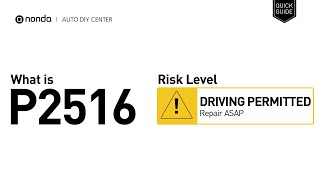
Honestly, you don’t want to ignore this code. While it might seem like just an A/C issue, running the system with the wrong pressure can damage expensive parts like the compressor, hoses, or even the control module. If the sensor or wiring is bad, the system might shut down to protect itself-but if it doesn’t, things can go south quickly. Driving around with a malfunctioning A/C system isn’t just uncomfortable-it can be a real hazard if you need defrost in bad weather. Don’t put this off for later; the risks just aren’t worth it.
Repair Options for obd code P2516 Problems
Here’s what usually fixes a P2516, based on what I see in the field:
- Repairing any leaks and recharging the refrigerant to the correct level
- Draining excess refrigerant if the system was overfilled
- Replacing a faulty A/C pressure sensor
- Repairing or replacing damaged wiring or connectors at the sensor
- Cleaning corroded terminals and making sure all connections are tight
Once the root cause is fixed, I always clear the code and test the system to make sure everything’s working as it should.



Conclusion
To sum it up, P2516 is a code that points to trouble with the A/C refrigerant pressure sensor circuit-usually a problem with refrigerant level, the sensor itself, or the wiring. It’s not something to ignore, since it can lead to bigger (and more expensive) issues if left unchecked. The best approach is to start with the basics: check the refrigerant, inspect the wiring, and test the sensor. Fix what you find, clear the code, and you’ll be back to cool, reliable A/C in no time. If you’re not comfortable with A/C work, it’s smart to get a pro involved-this is one area where guessing can get costly fast.

 4691
4691 5 minutes of reading