
Causes of P2517 code
From my experience and what the OEM manuals say, the most common culprits for a P2517 code are pretty consistent across brands. Here’s what I usually see causing this headache:
- Low refrigerant level in the A/C system (often due to a leak)
- Too much refrigerant (overcharged system)
- Faulty A/C refrigerant pressure sensor (sometimes called the low-pressure sensor)
- Wiring harness issues-open or short circuits in the sensor wiring
- Poor electrical connections at the sensor or in the circuit (corroded, bent, or loose pins)
Most often the issue is either a refrigerant problem or a sensor that’s gone bad, but don’t rule out wiring-especially if the car’s seen some rough roads or previous repairs in that area.
Symptoms of dtc P2517
Whenever this code shows up, there are a few telltale signs I watch for. First off, your check engine light or service engine warning will probably light up. Sometimes, you’ll notice your A/C isn’t blowing cold air, or maybe it kicks on and off at random. Other times, the car drives just fine but the A/C performance drops off a cliff. If refrigerant is running low, it's not unusual to hear the compressor clicking on and off, or you might notice the system struggling to keep up when it’s scorching outside. Bottom line: if your A/C isn’t working right and you’ve got this code, chances are they’re connected.

Diagnosis steps for obd code P2517
Let me walk you through how I tackle a P2517 code-always start simple before diving into the weeds:
- First thing I check is the refrigerant level. If it’s low, you probably have a leak; if it’s too high, that’s trouble too. Either one can set this code off.
- Next, give the sensor and its wiring a close look. Look for any frayed wires, loose plugs, or green corrosion. Sometimes, just jiggling the harness while you watch or listen for the compressor cycling can point you in the right direction.
- Take a good look at the connector pins-make sure nothing’s bent, broken, or pushed out. Even a little corrosion can cause some real headaches here.
- If all that looks good, I’ll hook up a scan tool and watch the sensor’s live data. If those readings don’t budge with A/C operation or stay stuck low, odds are the sensor’s shot.
- If the sensor and wiring pass muster, I break out the multimeter and check for proper voltage and continuity in the circuit. This helps catch any sneaky wiring faults between the sensor and control module.
My advice? Always start with the basics-refrigerant and wiring-before swapping out sensors or going deep into electrical testing.
Common mistakes when repairing P2517 engine code
A classic mistake I see is folks yanking the old sensor and slapping in a new one before they’ve even checked refrigerant levels or looked for leaks. Another one? Ignoring the wiring completely-a single broken wire or crusty connector can be the real villain here. Skipping the live data check with a scan tool leads to a lot of wasted time and money on parts you didn’t need. Here’s a pro-tip from the garage: always cover your basics first before reaching for the parts shelf.

Seriousness of obd2 code P2517
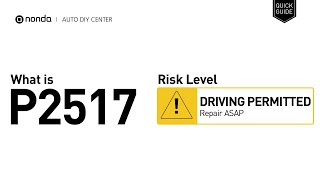
This isn’t one of those codes you can just ignore and hope it goes away. Sure, it probably won’t leave you stranded on the side of the road, but a bad A/C pressure reading can shut down your A/C or make it run all wrong. If you’re running the system low on refrigerant, you risk cooking the compressor-and trust me, that’s a wallet-buster. Electrical issues left unchecked can sometimes signal even bigger problems down the line. Don’t brush this off, especially if you count on your A/C to keep windows clear or to stay comfortable in extreme weather. I’ve seen small issues snowball into major repairs when folks ignore P2517.
Repair solutions for P2517 trouble code
Here’s what usually sorts out a P2517 code, based on what I’ve handled in the shop and what the factory guides suggest:
- Find and fix any refrigerant leaks, then recharge to the correct level
- If the system’s overcharged, evacuate and refill to factory specs
- Swap out the A/C refrigerant pressure sensor if it’s not working right
- Repair or replace any busted wiring or sketchy connectors in the sensor’s circuit
- Clean up and secure all electrical connections at the sensor
Once you’ve made your fixes, always clear the code and double-check the system to make sure everything’s back on track.


Conclusion
So here’s the bottom line: P2517 means your car’s A/C system isn’t getting the pressure info it needs-usually because of a sensor, wiring, or refrigerant hiccup. Don’t let it slide-jumping on this early can save you a ton of hassle and cash down the line. Start with the refrigerant and wiring, then move on to the sensor if needed. Fix what’s really causing the problem, clear the code, and before you know it, you’ll be back to cool, worry-free driving.

 4364
4364 6 minutes of reading