
Causes of P2518 trouble code
From experience, the most common reasons I see for a P2518 code are:
- Low refrigerant level in the A/C system
- Too much refrigerant (overcharged system)
- A faulty refrigerant pressure sensor
- Wiring issues-like a broken, shorted, or open wire in the sensor harness
- Poor or corroded electrical connections at the sensor
It’s worth noting that these causes are pretty consistent across all the brands I’ve worked on-Cadillac, Chevrolet, Chrysler, Ford, GMC, and Mercedes-Benz all list these as the main culprits.
Symptoms associated with obd code P2518
When you’re dealing with this code, the check engine light or service engine soon light is usually the first thing to catch your eye. From my time in the shop, I’ve seen the A/C stop cooling entirely or just blow lukewarm air when the system’s trying to protect itself. Sometimes, though, the car will drive just fine otherwise, but that warning light won’t let you forget there’s a problem. And if the A/C goes out in the middle of a heatwave, trust me-you’ll know right away.

Diagnosis process for dtc P2518
Here’s how I usually approach a P2518 code, step by step:
- First, I start with a visual inspection. I look closely at the wiring harness and connectors going to the refrigerant pressure sensor. I’m checking for any obvious damage-broken wires, loose plugs, corrosion, or bent pins. It’s best to have good lighting and maybe a helper to wiggle the harness while you watch for changes.
- Next, I check the refrigerant level in the A/C system. Both too little and too much refrigerant can trigger this code. If you’re not familiar with A/C systems, it’s safer to have a pro check this, since refrigerant can be hazardous.
- After that, I test the sensor itself. Using a scan tool, I look at the live data from the pressure sensor. If the reading is way off from what’s expected (even with the A/C off), the sensor might be faulty.
- If the sensor seems okay, I move on to checking the wiring for continuity and shorts using a multimeter. I make sure the sensor is getting the correct reference voltage (usually 5V) and that the ground is solid.
- Finally, I clear the code and see if it comes back after running the A/C. If it does, I dig deeper into the wiring or consider replacing the sensor.
Don’t forget to double-check all connectors before moving on to more complex diagnostics. A simple loose plug can cause a world of headaches.
Common mistakes when dealing with P2518
A classic mistake I see-especially with DIYers-is going straight for a new pressure sensor before checking the basics like wiring or refrigerant level. That’s just tossing money at the problem. Another thing that trips people up is overlooking the connectors; even a little corrosion or a pin that isn’t seated right can make the sensor look bad. I can’t count how many times someone’s overcharged the A/C trying to fix a different issue, only to end up causing this code to pop. Bottom line? Always tackle the simple stuff first before reaching for new parts.

Seriousness of P2518 engine code
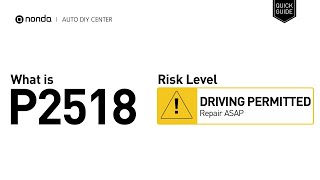
Let me be straight with you-this isn’t a code to brush off. Sure, it starts as an A/C issue, but if you leave it alone, you’re risking big-ticket damage like a fried compressor. I’ve seen electrical gremlins pop up elsewhere, too, all because of a faulty pressure reading. And let’s face it-no A/C on a blazing summer day is flat-out miserable. Things can snowball fast, so don’t let this one sit on the back burner.
Repair steps for P2518 code
Here’s what I typically do to fix a P2518 code:
- Repair or replace any damaged wiring or connectors at the pressure sensor
- Clean and secure all electrical connections
- Check and correct the refrigerant level-drain or recharge as needed
- Replace the refrigerant pressure sensor if it’s confirmed faulty
- Clear the code and test the system to make sure everything’s back to normal
My advice? Always start with the easy stuff-wiring and connectors-before you shell out for new parts. And if you’re not comfortable working with refrigerants, do yourself a favor and get a pro involved. That stuff isn’t something you want to mess with unprepared.

Conclusion
So, what does all this mean for you? P2518 tells you your car’s computer is onto a problem with the A/C refrigerant pressure sensor circuit-most often a signal that’s reading too high. I’ve found the usual suspects are wiring issues, a bad pressure sensor, or the refrigerant level being off the mark. Don’t sit on this code thinking it’ll go away; ignoring it only invites bigger-and pricier-problems down the road. Start with a sharp inspection of your wiring and connectors, check that refrigerant level, and only swap out the sensor if you’re sure it’s bad. Jump on it sooner rather than later, and you’ll keep both your A/C system and your own comfort out of the danger zone.

 3457
3457 5 minutes of reading