
Common Causes of dtc P2519
From what I’ve seen in the shop and what the official manuals say, there are a handful of usual suspects behind a P2519 code. Most often the issue is:
- Low refrigerant level in the A/C system (maybe there’s a leak or it’s just gotten low over time)
- Too much refrigerant (overcharged system, which can happen after a refill)
- A faulty A/C pressure sensor (sometimes called the low pressure switch)
- Wiring harness problems-like a broken wire, short, or open circuit going to the pressure sensor
- Bad electrical connections at the sensor-think corroded, bent, or loose pins in the connector
In my experience, wiring and connector issues are more common than you’d think, especially on older vehicles or those exposed to a lot of moisture.
Typical Symptoms of P2519 trouble code
When this code pops up, you’ll probably notice a few things. The most obvious is the check engine light or a service engine soon warning on your dash. Sometimes, the A/C might not work at all, or it could blow warm air instead of cold. On some cars, you might not notice much at first, but the A/C system could shut itself down to protect itself from damage. If you’re unlucky, you might also hear the A/C compressor cycling on and off more than usual, or not engaging at all. From what I’ve seen, it’s rare for this code to cause drivability issues, but it can make summer drives pretty uncomfortable.

How to Diagnose obd code P2519 Issues
Here’s how I usually tackle a P2519 code, step by step:
- Start simple-check the refrigerant level. If it’s low, you might have a leak. If it’s too high, that’s a problem too. Use proper gauges for this, and don’t just guess.
- Next, I visually inspect the wiring and connectors at the A/C pressure sensor. Look for broken wires, corrosion, loose pins, or anything that looks out of place. It’s better to have someone help you wiggle the harness while you watch for changes.
- If everything looks good, I’ll use a scan tool to read the actual pressure sensor values. If the readings don’t make sense compared to what’s really going on in the system, the sensor itself could be bad.
- Sometimes, I’ll back-probe the sensor connector to check for proper voltage (usually 5V reference, ground, and signal return). If you’re not comfortable with a multimeter, it’s best to leave this part to a pro.
- If the wiring and sensor check out, I’ll clear the code and see if it comes back. If it does, it’s time to dig deeper-maybe even check the control module itself, but that’s pretty rare.
Don’t forget to check for any Technical Service Bulletins (TSBs) related to this code for your specific make and model. Sometimes the manufacturer has already figured out a pattern or a fix.
Avoiding Common Mistakes with P2519 engine code
I’ve seen a few common slip-ups with this code. One is jumping straight to replacing the A/C pressure sensor without checking the wiring or refrigerant level first. Another is topping off the refrigerant without actually measuring how much is in the system-overcharging can cause just as many problems as being low. People also sometimes overlook corroded or loose connectors, which can be sneaky but are a frequent culprit. Skipping the basics can waste a lot of time and money, so always start simple.

Seriousness of obd2 code P2519 Problems
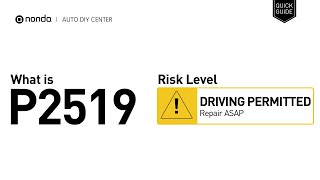
Honestly, you don’t want to ignore this code. While it might seem like just an A/C issue, running the system with the wrong pressure can damage expensive parts like the compressor, hoses, or even the control module. If the wiring is shorted, it could cause electrical problems elsewhere. And let’s face it, losing your A/C in the middle of summer is no fun. Things can go south quickly if you keep driving with this problem, especially if the compressor is cycling abnormally or not getting proper lubrication. Don’t put this off for later-get it checked out before it turns into a bigger headache.
Effective Repair Solutions for P2519 code
Here’s what usually fixes a P2519 code, based on what the manuals and my experience say:
- Repair or replace any damaged wiring or connectors at the A/C pressure sensor
- Replace the A/C pressure sensor if it’s faulty or giving out-of-range readings
- Correct the refrigerant level-either evacuate and recharge to the proper amount, or fix any leaks and refill as needed
- Clean or repair any corroded or loose electrical connections
- In rare cases, if the control module is at fault, it may need reprogramming or replacement-but that’s not common
Always double-check the system for leaks before topping off refrigerant, and use the right equipment for the job.



Conclusion
To sum it up, P2519 means your A/C system isn’t talking to the car’s computer the way it should, usually because of a sensor, wiring, or refrigerant issue. It’s not something you want to ignore, since it can lead to bigger (and more expensive) problems if left unchecked. I recommend starting with the basics-check the refrigerant, inspect the wiring and connectors, and only replace parts if you’re sure they’re bad. Acting quickly is the best way to keep your A/C running strong and avoid any nasty surprises down the road.

 5768
5768 6 minutes of reading