
Common Causes of P2521
From what I see most often in the shop, P2521 usually comes down to a handful of issues. Here are the most common culprits I run into, regardless of brand:
- Low refrigerant level in the A/C system
- Too much refrigerant (overcharged system)
- Faulty A/C low pressure sensor
- Wiring harness to the sensor is damaged, open, or shorted
- Poor electrical connection at the sensor or its connector
It doesn’t matter if it’s a Chevy, Ford, GMC, or Mercedes-Benz-these are the usual suspects. In my experience, wiring and connector problems are just as likely as an actual sensor failure, so don’t overlook those simple things.
Symptoms of the P2521 Engine Code
When this code is active, you’ll probably notice the check engine light or service engine soon light come on. Sometimes, the A/C might not work at all, or it could blow warm air instead of cold. In some cases, you might not feel any difference in how the car drives, but the A/C system could be disabled to prevent damage. If you’re unlucky, you might also notice the A/C compressor not kicking in, especially on a hot day. That’s never fun!

Diagnosis Steps for the P2521 Code
Here’s how I tackle this code step-by-step, and you can do some of these checks yourself before heading to the shop:
- First, I always start by checking the refrigerant level. If it’s too low or too high, that alone can trigger the code. You’ll need proper gauges for this, so if you’re not comfortable, it’s best to have a pro handle it.
- Next, I do a visual inspection of the wiring harness and connectors at the A/C pressure sensor. Look for broken, bent, pushed-out, or corroded pins. Sometimes, just wiggling the connector can reveal a loose connection.
- After that, I check the sensor itself. If you have a scan tool, you can see what the sensor is reading. If the reading doesn’t make sense (way too high or low), the sensor might be bad.
- If everything looks good so far, I’ll test the wiring for continuity and shorts. This step takes a bit more know-how and a multimeter, but it’s important to rule out wiring issues before replacing parts.
- Finally, if all else fails, I’ll swap out the sensor with a known good one to see if the code clears. Don’t forget to clear the code and see if it comes back after repairs.
It’s always smart to have someone help you check connections, and don’t skip the basics before diving into more expensive repairs.
Common Mistakes When Dealing with DTC P2521
I’ve seen plenty of folks jump straight to replacing the A/C pressure sensor without checking the wiring or refrigerant level first. That’s a quick way to waste money. Another common mistake is ignoring the connectors-corrosion or a loose pin can easily cause this code. Also, don’t just top off the refrigerant without knowing if it’s actually low or high; overcharging can cause just as many problems as a leak. Skipping the visual inspection is a surefire way to miss something simple.

How Serious is the P2521 Trouble Code
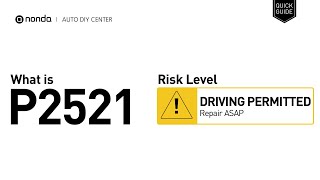
This isn’t a code you want to ignore. If you keep driving with this issue, your A/C system could be disabled, which is uncomfortable but not dangerous in itself. However, if the pressure is actually too high or too low, you risk damaging the compressor, hoses, or other expensive components. Things can go south quickly if the compressor runs with the wrong pressure. Honestly, it’s best to get this sorted out promptly to avoid a much bigger repair bill down the road.
How to Repair OBD Code P2521
Here’s what usually fixes the problem, based on what I’ve seen and what the factory recommends:
- Correct the refrigerant charge-either add or remove refrigerant to bring it to the proper level
- Replace the A/C pressure sensor if it’s faulty
- Repair or replace any damaged wiring or connectors at the sensor
- Clean corroded connectors and make sure all pins are straight and secure
- Clear the code and retest the system to make sure everything’s working as it should
In most cases, taking care of the wiring or sensor does the trick, but don’t skip checking the refrigerant level first.


Conclusion
To sum it up, P2521 means your vehicle’s computer isn’t happy with the signal from the A/C pressure sensor circuit. It’s usually caused by refrigerant issues, a bad sensor, or wiring problems. Don’t put this off-if you ignore it, you could end up with a fried compressor or no A/C at all. The best way forward is to check the basics first: refrigerant level, wiring, and connectors. If you’re not sure, have a professional take a look. Acting quickly is the safest and most cost-effective way to get your A/C system back in shape.

 5775
5775 5 minutes of reading