
Causes of P2522 code
From my time under the hood, I can tell you P2522 usually tracks back to a handful of familiar problems. Here’s the short list that I see most when this code shows up:
- Refrigerant level is low-almost always from a leak somewhere in the system
- Someone’s overcharged the A/C with too much refrigerant
- The A/C pressure sensor itself has failed (sometimes called the low-pressure switch)
- Wiring problems-think broken, shorted, or corroded wires heading to the sensor
- Loose, dirty, or damaged connectors right at the sensor
In my shop, nine times out of ten, it’s either a refrigerant charge issue or a glitch with the sensor or its wiring. My advice? Always start with the basics before you shell out for pricey new parts.
Symptoms associated with obd2 code P2522
When this code’s active, here’s what you’ll probably notice behind the wheel:
- Check engine light or service engine soon light glaring at you
- A/C blowing warm air-or not working at all
- Sometimes, the A/C compressor kicks on and off more than usual
- The engine fan might run constantly since the computer’s trying to keep things safe
Honestly, the dead giveaway is the A/C not doing its job, especially when summer heat sets in.

Diagnosis procedure for P2522 trouble code
Here’s how I tackle a P2522, step by step. Some of these you can try yourself before heading to a mechanic:
- First, check your refrigerant level. If you’ve got A/C gauges, hook them up and see if you’re low or overfilled. If you’re not sure what you’re doing, don’t mess around-A/C refrigerant isn’t something you want to wing at home.
- Next, eyeball the A/C pressure sensor and its wiring. Look for cracked insulation, frayed wires, or connectors that aren’t seated right. I’ve fixed plenty of these just by reseating a loose plug.
- Pop the connector off and take a close look at the pins-corrosion, bent, or pushed-out pins are trouble. Any green or white crust means corrosion’s the culprit.
- If everything looks clean, grab a scan tool and check live data from the A/C pressure sensor. If it’s reading sky-high or rock-bottom numbers all the time, you’re probably looking at a bad sensor.
- Still stumped? I break out the multimeter and test the circuit for continuity and shorts. This part’s a bit advanced, but it’s a must for tracking down sneaky wiring issues.
Here’s a pro-tip: have someone wiggle the wiring harness while you watch the scan tool readings. I’ve caught plenty of intermittent faults that way.
Common mistakes when fixing obd code P2522
I see folks trip up on the same things again and again when they try to fix this code:
- Swapping out the A/C pressure sensor right away without checking the refrigerant charge first
- Missing simple wiring or connector issues-sometimes it’s just a plug that’s worked loose!
- Adding refrigerant without hunting down leaks or verifying the actual amount the system needs
- Forgetting about safety and the right tools when handling refrigerant
It’s easy to waste time and money if you skip the basics. Always start with the obvious before you start throwing new parts at your car.

Seriousness of dtc P2522 issues
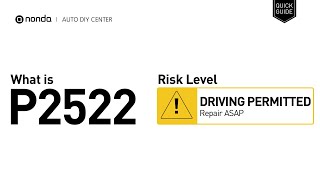
P2522 isn’t a code you want to shrug off. If you keep driving around with this code set, you’re risking damage to your A/C compressor or other pricey components. The system’s programmed to shut off the A/C to keep you from doing even more damage, but if it’s a wiring or sensor problem, you could set yourself up for bigger headaches down the line. And let’s be real-no A/C on a hot day isn’t just uncomfortable; it’s miserable. Don’t wait on this one. If there’s a refrigerant leak, things can go bad in a hurry.
Repair solutions for P2522 engine code
Here’s what fixes P2522 in the real world, based on what I’ve seen-and what the factory service manuals recommend:
- Repair or replace any damaged wires or connectors at the A/C pressure sensor
- Swap out a faulty A/C pressure sensor
- Get your refrigerant charge right-add some if you’re low (after fixing leaks), or pull some out if it’s overfilled
- Clean up any corroded connector terminals and make sure everything fits tight and snug
Once in a blue moon, the control module might be the problem, but honestly, that’s pretty rare. Nine times out of ten, you’re looking at a sensor or refrigerant issue.

Conclusion
So here’s the bottom line: P2522 is your car’s way of flagging a problem with the A/C pressure circuit-usually tied to the sensor, wiring, or how much refrigerant’s in the system. If you want to avoid bigger repairs (and a sweaty drive), get on it fast. Start with the wiring and connectors, check your refrigerant, and don’t swap parts until you know they’re bad. If you’re not sure about any of this, there’s no shame in letting a professional take over. Trust me-it’s better to catch it early than deal with a fried compressor later.

 5363
5363 5 minutes of reading