
Causes of obd code P2524
From my time in the garage, I can tell you the P2524 code almost always comes down to a handful of familiar troublemakers. Here’s what I see most often, backed up by what the manufacturers themselves say:
- Low refrigerant in the A/C system-usually thanks to a leak somewhere
- Too much refrigerant-maybe someone got a little carried away topping it off
- A bad A/C low-pressure sensor throwing off the signal
- Wiring harness problems-think a broken, pinched, shorted, or open wire on the way to that pressure sensor
- Corroded or loose electrical connections, either at the sensor or elsewhere in the circuit
Doesn’t matter if you’re driving a Chevy, Ford, GMC, or Mercedes-Benz-these are the usual suspects. My advice? Always start with the basics before you get into the weeds with advanced diagnostics.
P2524 Symptoms and Warning Signs
When this code shows up, you’ll usually notice a few telltale signs. The check engine light or a service engine warning almost always lights up the dashboard first. Sometimes, your A/C starts acting up-maybe it’s only blowing warm air, cycles on and off when it shouldn’t, or refuses to kick in altogether. Every now and then, you won’t notice anything in the way your car drives, but ignoring that warning is just asking for a bigger (and more expensive) problem down the road.

Diagnosis Steps for obd2 code P2524
Let me walk you through how I like to chase down a P2524, using the same steps I’d use at a dealership:
- First thing I do is check the refrigerant level. If it’s low, that’s a solid clue-start hunting for a leak. If it’s overcharged, someone may have overfilled it, which can be just as dangerous.
- Next up, I take a close look at the A/C pressure sensor and the wiring leading to it. I’m searching for anything out of the ordinary-broken wires, fraying, corrosion, or connectors with bent, loose, or green (that’s corrosion) pins. If you’ve got an extra set of hands, have them wiggle the harness while you watch for changes.
- Then I’ll grab a scan tool and check what the A/C pressure sensor is actually reading. If the numbers are way off (like pegged high constantly), odds are the sensor or wiring is to blame.
- If the wiring and connections all look good, I’ll check the sensor itself. Sometimes I’ll swap in a known good sensor if I have one lying around, or I’ll test for proper resistance and voltage according to the service manual.
- If I still haven’t found the problem, only then do I start looking at the control module. Truth is, it’s pretty rare for the module itself to be the issue in these cases.
Here’s a pro-tip from the garage: don’t skip the simple stuff. More times than I can count, I’ve found a loose connector or a pinched wire was the real culprit-saving a customer a ton of money and headaches.
Common Mistakes with dtc P2524
A classic mistake I see is someone rushing out to buy a new A/C pressure sensor before they’ve even checked the wiring or refrigerant charge. That’s a quick way to blow cash without fixing the problem. Another thing folks often overlook? A good, old-fashioned visual inspection. Sometimes all it takes is cleaning a dirty connector or pushing a loose plug all the way in. And don’t forget-overcharging the system can cause just as much trouble as running low on refrigerant. Always double-check the basics before you start swapping out parts.

How Serious is the P2524 trouble code
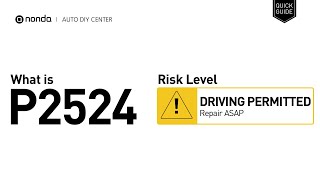
Trust me, this isn’t a code you want to brush off. Keep driving with P2524 active and you’re flirting with expensive damage to your A/C compressor-and that’s not a bill anyone likes. Sometimes the system will even shut down the A/C altogether to protect itself, leaving you sweating on a hot day. And if you’ve got a shorted wire in the mix, you could end up with other electrical issues as well. Things can go sideways fast, so don’t put this off-get it checked out sooner rather than later.
Repair Solutions for P2524 code
Here’s what usually gets the job done, both from OEM recommendations and my own real-world experience:
- Repair or replace any damaged wiring or connectors at the A/C pressure sensor
- Swap out a faulty A/C pressure sensor if it’s not sending the right signal
- Get the refrigerant level right-either top it off if it’s low or evacuate and refill if it’s been overcharged
- Find and fix any leaks in the A/C system before you recharge it
- Clean up any corroded connectors, and make sure all the pins are straight and seated correctly
Start with the obvious stuff-wiring and refrigerant-before you go dropping cash on a new sensor.


Conclusion
Bottom line? P2524 means your car’s computer isn’t happy with what it’s seeing from the A/C pressure sensor circuit. Nine times out of ten, you’re dealing with an issue involving refrigerant charge, a bad sensor, or wiring woes. If you ignore this code, you’re risking bigger headaches for your A/C system and wallet alike. My advice? Give your car a thorough once-over-start by checking the refrigerant and wiring, then move on to the sensor if everything else checks out. Don’t drag your feet; staying on top of this is the best way to keep your A/C humming and dodge costly repairs down the road.

 5943
5943 6 minutes of reading