
Causes of P2531 engine code
From my experience working on these vehicles, the most common reasons for a P2531 code are:
- A faulty ignition switch itself-this is often the root of the problem.
- Broken, frayed, or corroded wiring in the ignition switch circuit. Sometimes wires get pinched, cut, or just wear out over time.
- Poor electrical connections at the ignition switch or related connectors. Loose, bent, or pushed-out pins can cause intermittent or permanent issues.
It’s rare, but I’ve also seen cases where water intrusion or rodent damage played a role. No matter the cause, it’s best to start with the basics before jumping to conclusions.
Symptoms related to obd2 code P2531
When this code is active, you’ll usually notice the check engine light or service engine soon light come on. In some cases, you might have trouble starting the car, or the engine might not run at all. Sometimes, certain accessories or electrical systems might not work as they should when the key is in the "run" position. But most often, it’s just that warning light staring you in the face, waiting for attention.

Diagnosis steps for P2531
Here’s how I tackle a P2531 code, step by step:
- First, I always check the basics-make sure the battery is fully charged and the terminals are clean and tight. Low voltage can cause all sorts of weird electrical issues.
- Next, I visually inspect the wiring harness and connectors at the ignition switch. I’m looking for any obvious signs of damage: broken wires, loose connections, corrosion, or anything that looks out of place. It’s best to have a good light and maybe even a helper to turn the key while you watch.
- Then, I gently tug on the wiring near the connectors to see if anything is loose or if a pin is backing out. Don’t forget to check both sides of the connector-sometimes the problem is hidden inside.
- If everything looks good visually, I use a multimeter to check for continuity in the ignition switch circuit and to make sure the voltage readings match what the service manual calls for when the key is in the "run" position.
- If I find a wiring or connector issue, I repair or replace as needed. If the wiring checks out, I move on to testing the ignition switch itself. Sometimes, swapping in a known-good switch is the quickest way to confirm a bad part.
It’s important to take your time here-rushing can mean missing something simple.
Common mistakes when fixing P2531 code
One thing I see a lot is folks jumping straight to replacing the ignition switch without checking the wiring or connectors first. That’s a surefire way to waste money and time. Another common mistake is overlooking corrosion or loose pins inside the connector-these can be tricky to spot but are often the real culprit. Skipping the battery check is another big one; a weak battery can throw all sorts of codes that aren’t really the root issue.

Seriousness of obd code P2531
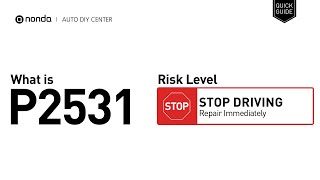
This isn’t something you want to ignore. While you might just see a warning light at first, a faulty ignition switch circuit can leave you stranded or cause the engine to stall unexpectedly. That’s a serious hazard, especially if it happens while you’re driving. Plus, if the circuit stays faulty for too long, you risk damaging other electrical components or even the PCM itself. Things can go south quickly if overlooked, so don’t put this off for later.
Repair options for P2531 trouble code
Most often, the fix involves repairing or replacing damaged wiring or connectors in the ignition switch circuit. If the wiring and connections are all good, replacing the ignition switch itself is usually the answer. In rare cases, cleaning corrosion from the connectors or tightening loose pins solves the problem. Always clear the code and test the system after repairs to make sure everything’s working as it should.

Conclusion
To sum it up, P2531 means your car’s computer isn’t seeing the right signal from the ignition switch when the key is in the "run" position. It’s usually a wiring, connector, or switch issue-nothing to ignore, since it can leave you stranded or cause bigger problems down the line. The best approach is to start simple: check the battery, inspect the wiring and connectors, and only replace the ignition switch if you’re sure that’s the culprit. Acting quickly and methodically is the most reliable way to get your car back to normal and keep you safe on the road.
 4170
4170 5 minutes of reading