
Causes of P2532 code
From what I’ve seen in the shop and what the official manuals say, the most common reasons for a p2532 are:
- A faulty ignition switch-this is the part you turn with your key or push with a button to start the car.
- Broken, disconnected, or shorted wiring in the ignition switch circuit.
- Poor electrical connections-sometimes the connectors get corroded, loose, or the pins get bent or pushed out of place.
Most often the issue is with the switch itself or the wiring right at the connector. I recommend starting your checks there before moving on to anything more complicated.
Symptoms of dtc P2532
When this code is active, you’ll usually notice the check engine light or a service engine warning on your dash. In some cases, the car might not start, or you could have trouble turning it off. Sometimes, you might see weird electrical behavior-like accessories not working right or the dash lights acting up. But honestly, the most common thing you’ll see is just that warning light staring back at you.

Diagnosis using obd code P2532
Here’s how I’d tackle this one step-by-step:
- First, I always start by checking the basics-make sure your battery is healthy and fully charged. Low voltage can throw all sorts of codes.
- Next, I’d visually inspect the ignition switch and the wiring harness connected to it. Look for obvious damage: frayed wires, melted insulation, or connectors that look loose or corroded. Don’t forget to check for bent or pushed-out pins in the connectors.
- If everything looks good, I use a multimeter to check for proper voltage at the ignition switch terminals. You want to see if the signal matches what the manual says it should be in each key position.
- It’s better to have someone help you-one person can turn the key while the other checks the readings.
- If the wiring and connections check out, but the readings are off, the ignition switch itself is probably the culprit.
Don’t skip the simple stuff-sometimes a little corrosion or a loose connector is all it takes to cause this headache.
Common Mistakes with P2532 trouble code
I’ve seen people jump straight to replacing the ignition switch without checking the wiring or connectors first. That’s a surefire way to waste money and time. Another common mistake is overlooking corrosion or loose pins in the connectors-these little things can cause big problems. Always double-check the wiring before swapping out parts.

Seriousness of obd2 code P2532
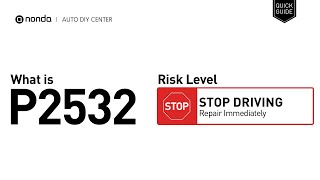
This isn’t something you want to ignore. If the ignition switch circuit isn’t working right, you could end up stranded or unable to start your car when you need it most. In some cases, the engine might shut off unexpectedly, which is a serious hazard-especially if you’re driving at speed. Ignoring this can also lead to further electrical issues, potentially damaging the ignition switch, wiring harness, or even the powertrain control module. Things can go south quickly if overlooked, so don’t put this off for later.
Repair steps for P2532 engine code
Here’s what usually fixes it, based on what I’ve seen and what the manuals recommend:
- Repair or replace any damaged wiring or connectors in the ignition switch circuit.
- Clean any corrosion from the connectors and make sure all pins are straight and properly seated.
- If the wiring and connectors are good, replace the ignition switch itself.
- After repairs, clear the code and test the system to make sure everything’s working as it should.
It’s best to start with the simple fixes before jumping to parts replacement.
Conclusion
To sum it up, P2532 on Cadillac, Chevrolet, and GMC vehicles means there’s a problem with the ignition switch run/start circuit-usually a high voltage signal where there shouldn’t be one. It’s a moderate to high priority issue because it can leave you stranded or cause unsafe driving situations. The most reliable way to fix it is to carefully inspect the wiring and connectors first, then replace the ignition switch if needed. Don’t ignore this one-get it checked and fixed before it turns into a bigger headache.

 5033
5033 5 minutes of reading