
Causes of P2540
From what I’ve seen in the shop and based on official repair info, the most common reasons for a p2540 code are:
- Low fuel level in the tank-sometimes it’s as simple as being low on gas.
- A faulty low fuel pressure sensor-these sensors can fail or give incorrect readings.
- Wiring issues-broken, shorted, or corroded wires in the sensor’s harness are frequent culprits.
- Poor electrical connections-loose, bent, or corroded pins at the sensor connector can cause all sorts of headaches.
Most often the issue is with the sensor itself or the wiring, but I always recommend checking the fuel level first. It’s easy to overlook, but running low on fuel can trigger this code.
Symptoms of P2540 code
When this code pops up, here’s what you’re likely to notice as a driver:
- The check engine light will come on-sometimes it’s the only sign.
- You might experience rough running, hesitation, or even stalling if the fuel pressure is actually low.
- In some cases, you won’t feel any difference at all, but the code is still there in the background.
From experience, I can say that sometimes the symptoms are subtle, but ignoring them can lead to bigger problems down the road.

Diagnosis steps for obd code P2540
Here’s how I usually go about diagnosing a obd code p2540, step by step:
- First, I check the fuel level. It sounds basic, but you’d be surprised how often a low tank is the root cause.
- Next, I visually inspect the wiring harness and connector at the low fuel pressure sensor. I’m looking for damaged wires, corrosion, or loose connections. Don’t forget to check for bent or pushed-out pins in the connector.
- If everything looks good, I use a scan tool to monitor the live data from the sensor. If the readings are way off or not changing as expected, that’s a big clue.
- Then, I’ll test the sensor itself-sometimes swapping in a known-good sensor is the quickest way to confirm a bad one.
- If the sensor and wiring check out, I move on to the engine control module, but honestly, that’s rarely the issue.
It’s best to start with the simple stuff-fuel level and wiring-before diving into more complex diagnostics. Having someone help you wiggle the harness while you watch the scan tool can also reveal intermittent problems.
Common Mistakes with obd2 code P2540
One thing I see a lot is folks jumping straight to replacing the sensor without checking the basics. Skipping the fuel level check or ignoring a corroded connector can lead to wasted time and money. Another common mistake is not inspecting the wiring closely enough-sometimes the damage is hidden under tape or in a spot that’s hard to see. Don’t just clear the code and hope it goes away; that’s a surefire way to end up back in the shop.

Seriousness of P2540 trouble code
This isn’t something you want to put off for later. If the sensor or wiring is really faulty, you could end up with poor engine performance, stalling, or even a no-start situation. In the worst case, running with low fuel pressure can damage the fuel pump or injectors, and that’s a much bigger repair bill. Honestly, it’s dangerous to ignore this-losing power or stalling in traffic is a serious hazard. Things can go south quickly if overlooked.
Repair steps for dtc P2540
Here’s what usually fixes a dtc p2540, based on verified repair procedures:
- Refilling the fuel tank if it’s low-always start here.
- Repairing or replacing damaged wiring or connectors at the low fuel pressure sensor.
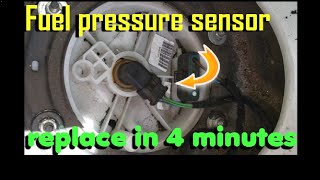
- Replacing the low fuel pressure sensor if it’s faulty or giving out-of-range readings.
- Cleaning corroded connector terminals and making sure all pins are straight and secure.
In rare cases, if all else fails, the engine control module may need attention, but that’s not common. I personally recommend double-checking all wiring and connections before replacing any expensive parts.


Conclusion
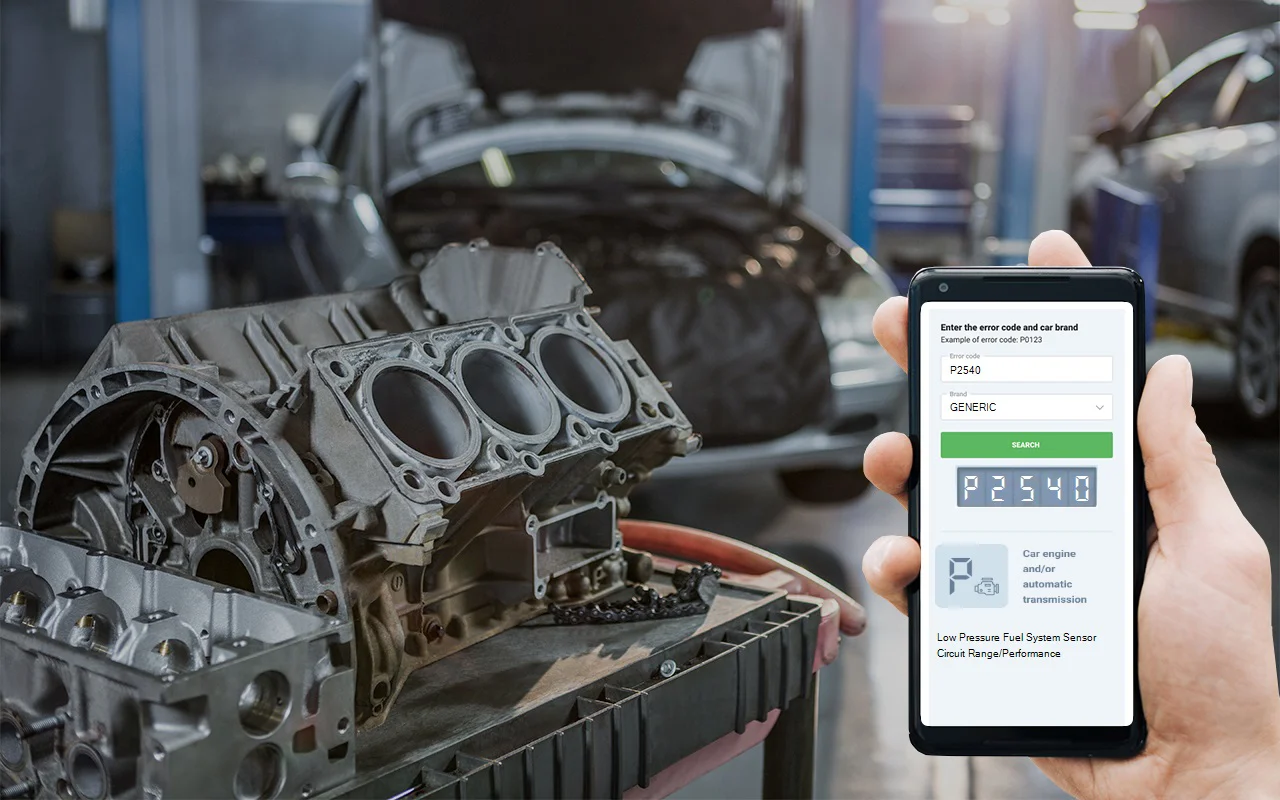
To sum it up, P2540 is a code that points to trouble with the low fuel pressure sensor circuit-usually on Honda and Volkswagen vehicles. It’s important to address this promptly because it can lead to poor performance, stalling, or even damage to your fuel system. Start with the basics: check your fuel level, inspect the wiring and connectors, and only replace the sensor if you’re sure it’s bad. Acting quickly is the best way to avoid bigger headaches and keep your car running safely and reliably.
 4750
4750 5 minutes of reading