
Causes of P2541 and How P2541 Can Occur
From my time under the hood, these are the usual suspects behind a P2541 code:
- Low fuel in the tank (I know it sounds obvious, but you’d be amazed how often this is the issue)
- A shot low pressure fuel system sensor
- Wiring problems-think open circuits or shorts in the sensor’s harness
- Lousy electrical connections, whether at the sensor itself or somewhere in the circuit
On Hondas and Volkswagens, I see these over and over. Here’s a pro-tip from the garage: Always start by checking the simple stuff before you tear into more expensive components.
Symptoms and Signs of P2541 Trouble Code
Whenever this code’s triggered, the first thing you’ll likely spot is that check engine light glaring at you. Sometimes the engine gets grumpy-running rough, stumbling when you try to accelerate, or even refusing to start. But honestly? Half the time, all you’ll notice is that warning light. Don’t write it off though. If you ignore it, you could end up with a much bigger problem down the road.

Diagnosis Steps for P2541 Code
Here’s how I usually go about zeroing in on a P2541 issue:
- Start simple-double check the fuel level. I’ve been tripped up by an empty tank more times than I’d care to admit.
- Take a real close look at the wiring harness and connectors at the sensor. Keep an eye out for broken wires, green corrosion, bent pins-anything out of the ordinary. It helps to have a second set of hands wiggling the harness while you watch live data on a scan tool.
- Plug in a scan tool and check what the sensor’s reporting. If the numbers are way out of whack, chances are the sensor’s toast.
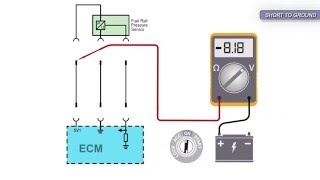
- Still stumped? Time to break out the multimeter. Test for continuity, shorts, or open circuits in the wiring. Don’t skip this step-it’s caught a lot of sneaky problems for me over the years.
- If you’re uneasy with electrical testing, let a seasoned tech handle it. But whatever you do, make sure those connectors are clean and tight before you start swapping out parts.
Common Mistakes When Fixing OBD Code P2541
A classic mistake I see is folks jumping right to replacing the sensor, forgetting to check for a simple empty tank or a loose connector. Another one? Overlooking corroded or dirty contacts. Skipping the basics can burn through your wallet and your patience. Always work through the easy stuff first-it’ll save you a world of frustration.

Seriousness of a P2541 Engine Code Issue
This isn’t a code you want to shrug off. If that fuel pressure sensor circuit isn’t behaving, you could be looking at lousy engine performance, stalling out in traffic, or even getting stranded somewhere you don’t want to be. Worst case scenario: you keep running the car like this and end up wrecking your fuel pump or injectors. Believe me, repairs only get pricier if you drag your feet.
Repair Solutions for DTC P2541
Most of the time, fixing this comes down to a few things:
- Topping off the fuel tank if it’s running low
- Tracking down and repairing any busted wires or sketchy connectors at the sensor
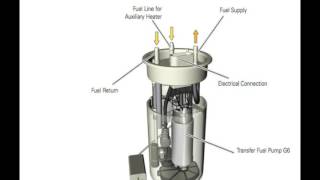
- Swapping out the low pressure fuel system sensor if it’s given up the ghost
- Cleaning up any corroded electrical terminals
What I’ve often found is it’s usually a wiring or connector problem, but bad sensors do crop up. Make sure you’ve nailed down the real cause before you start throwing new parts at it.

Conclusion
Bottom line? P2541 means your car’s computer isn’t getting the info it needs from the low pressure fuel system sensor. Get on top of this quick-wait too long and you could be looking at bigger headaches or a dead car on the side of the road. Always start with the simple checks-fuel level, wiring, and connectors-before moving on to the sensor. Taking a methodical approach is the smartest way to get your car back to normal and dodge bigger repair bills later.
 6198
6198 5 minutes of reading