
Causes and P2547 trouble code
From what I’ve seen in the shop and what the official manuals say, the most common reasons for P2547 are:
- A faulty engine control module (ECM) or transmission control module (TCM)
- Outdated software in either the ECM or TCM-sometimes a simple update is all it needs
- Damaged wiring or connectors going to the ECM or TCM, like broken, corroded, or loose pins
- An electrical fault in the ECM circuit itself
Most often the issue is with wiring or connectors, but I’ve also seen cases where a software update fixed it right up. Rarely, the module itself is bad, but it does happen.
Symptoms and dtc P2547
If you’re dealing with P2547, the first thing you’ll probably see is that dreaded check engine light. But in my experience, it doesn’t always stop there. Sometimes, gear shifts get noticeably rough-you might feel the transmission grab or hesitate. Other times, the only sign is that pesky light staring at you from the dash, but don’t be fooled. Just because the car isn’t acting up (yet) doesn’t mean you can let it slide.

Diagnosis steps for P2547 engine code
Let me walk you through how I’d tackle P2547 in the bay:
- First order of business: a good, old-fashioned visual inspection. Check every inch of the wiring and connectors running to the ECM and TCM. You’re hunting for frayed wires, busted insulation, corrosion, or anything that just looks off. A flashlight and a little patience go a long way here.
- Next, double-check that all connectors are properly seated. I’ve lost count of how many times a bent or barely-there pin was to blame. Don’t just look at the module side-trace it out to the harness too.
- At this point, I’ll hook up the scanner and check for any other codes, especially ones tied to the CAN network. If the car’s got more to say, you need to listen before moving forward.
- Still nothing? Time to check for software updates. Manufacturers push out updates to iron out these bugs all the time-it’s a quick win if that’s the issue.
- If you’ve ruled out the simple stuff, grab a multimeter and start chasing continuity and shorts between the modules. This can get tedious, but skipping it can mean missing the root cause entirely.
- Only after eliminating all these suspects do I start thinking about a bad ECM or TCM. These parts aren’t cheap, so you want to be dead sure before swapping them out.
Bottom line-always start with the basics before you dig into the wallet-busting repairs.
Common mistakes when fixing obd code P2547
A classic mistake I see-especially with DIYers and even some shops-is swapping out the ECM or TCM at the first sign of trouble. Nine times out of ten, it’s a wiring issue or a software glitch. Another thing people miss? Overlooking other codes. P2547 can be just the tip of the iceberg if there’s a bigger communication fault somewhere else. Trust me, check the simple stuff before you reach for the parts catalog.

Seriousness of P2547
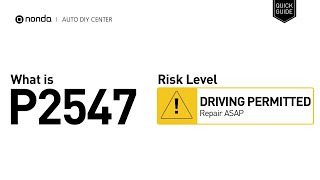
Don’t make the mistake of thinking you can drive around with this code for weeks. I’ve seen folks try to ignore it, only to come back later with a fried transmission or even bigger headaches. When the ECM and TCM aren’t talking right, you’re risking harsh shifts, unpredictable drivability, and eventually, real damage to the transmission, wiring, or even the modules themselves. The longer you wait, the higher the repair bill climbs. Don’t gamble on this one-it’s just not worth it.
Repair steps for P2547 code
Let me give you the rundown on how I fix this code in the shop:
- First, I repair or replace any wiring or connectors that show signs of damage between the ECM and TCM. Even a little corrosion can cause a world of trouble.
- I’ll clean and reseat every connector to lock in a good electrical connection-sometimes that’s all it takes.
- If there’s a software update available for the ECM or TCM, I get that loaded up right away. Updates can save you a ton of time and money.
- If all the other steps point to it and there’s just no way around it, then and only then do I replace the faulty ECM or TCM. But that’s always the last card I play.
Most of the time, you’ll nail it down to a wiring issue or a software fix. That’s where your time’s best spent.


Conclusion
So, here’s the bottom line: P2547 is your car’s way of letting you know the ECM and TCM aren’t playing nice, usually when it’s time to shift gears. Don’t drag your feet on this-get in there and check the wiring, connectors, and software first. Swapping out modules should be your last resort, not your first move. Taking care of it now means you avoid bigger headaches and steeper bills later. I’ve seen it save folks a lot of grief, and I bet it’ll do the same for you.

 6515
6515 5 minutes of reading