
Causes of P2550
From experience, the most common reasons for p2550 are pretty consistent across the brands I’ve worked on. Here’s what I usually see:
- A faulty engine control module (ECM) or transmission control module (TCM)
- Outdated or corrupted software in the ECM or TCM (sometimes a simple update is all it takes)
- Wiring harness issues-like open circuits, shorts, or damaged wires going to the ECM
- Electrical faults inside the ECM itself
It’s not always easy to spot, but most often the issue is with the wiring or a software glitch rather than the modules themselves. Still, I recommend starting with the basics before jumping to conclusions.
Symptoms of obd2 code P2550
When this code is active, the main thing you’ll probably notice is the check engine light or the service engine soon warning popping up on your dash. Usually, there aren’t any obvious changes in how the car drives at first, but in some cases, you might feel rougher gear shifts or the transmission not behaving as smoothly as usual. If you ignore it, things can get worse over time, so don’t just brush it off.

Diagnosis and Testing for P2550 trouble code
Here’s how I approach diagnosing p2550, step by step:
- First, I always check for other codes. If there are communication errors or CAN bus faults, those need to be fixed first.
- Next, I do a thorough visual inspection of the wiring harnesses and connectors going to the ECM and TCM. Look for broken, frayed, or corroded wires, and make sure the connectors aren’t loose or damaged. It’s better to have someone help you wiggle the harness while you watch for changes.
- After that, I check for any available software updates for the ECM and TCM. Sometimes, manufacturers release updates that fix these glitches.
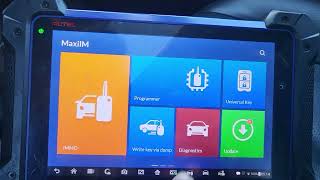
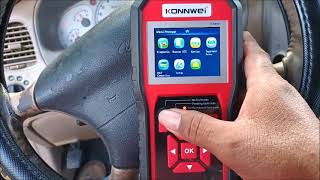
- If the wiring and software check out, I’ll use a scan tool to monitor the torque management signals in real time. This helps confirm if the modules are talking to each other properly.
- Finally, if everything else looks good, I’ll test the ECM and TCM themselves. Swapping in a known-good module (if available) can help pinpoint the problem, but that’s usually a last resort.
Don’t forget to check the basics before moving on to more complex stuff-it saves a lot of time and money.
Common Mistakes When Fixing P2550 engine code
I’ve seen a lot of folks jump straight to replacing the ECM or TCM without checking the wiring or updating the software first. That’s a surefire way to waste money and still have the same problem. Another common mistake is ignoring other codes that might be pointing to a communication issue-those need to be sorted out first. Always start simple and work your way up.

How Serious Is the P2550 code?
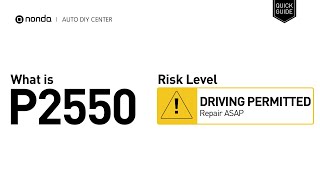
Honestly, this isn’t something you want to ignore. While it might seem minor at first, if the torque management system isn’t working right, it can lead to harsh shifting, increased wear on the transmission, or even sudden drivability issues. Over time, you risk damaging the transmission or the engine control modules themselves. Things can go south quickly if overlooked, so don’t put this off for later.
Repair Steps for obd code P2550
Here’s what usually fixes p2550, based on verified cases and OEM procedures:
- Repair or replace any damaged wiring or connectors between the ECM and TCM
- Update the ECM and TCM software to the latest version
- If wiring and software are good, replace the faulty ECM or TCM as needed
It’s best to start with the simple stuff-wiring and software-before considering module replacement.
Conclusion
To sum it up, P2550 means there’s a hiccup in the communication between your engine and transmission computers, usually related to torque management during shifting. It’s not something to ignore, as it can lead to bigger problems down the road. Start with checking the wiring and updating the software-those are the most common fixes. If that doesn’t solve it, then it’s time to look at the control modules themselves. Acting quickly is the best way to keep your car running smoothly and avoid costly repairs.
 5523
5523 5 minutes of reading