
Causes and obd code P2553
From what I’ve seen in the shop, the most common reasons for a P2553 code on a Ford are:
- A faulty Fuel Injection Control Module (FICM)-this is the brain that tells your injectors when and how much fuel to spray.
- A malfunctioning Powertrain Control Module (PCM)-this is the main computer that manages the engine and transmission.
- Wiring harness issues-open circuits, shorts, or poor connections between the FICM and PCM can easily set this code off.
- Corroded, bent, or damaged connector pins-sometimes it’s just a bad connection at a plug that causes all the trouble.
In my experience, wiring and connector problems are more common than full-on module failures, but you can’t rule anything out without a proper check.
Symptoms and dtc P2553
When this code is active, you’ll almost always see the Check Engine light come on. You might also notice the engine idling rough, stumbling, or even stalling-especially when you’re not pressing the gas pedal. In some cases, the engine might not respond properly when you try to accelerate. If you’re driving a Ford diesel, these symptoms can be pretty pronounced, and you might even have trouble starting the engine.

Diagnosis steps for obd2 code P2553
Here’s how I usually tackle a P2553 code, step by step:
- First, I always start with a visual inspection. Pop the hood and check the wiring harnesses and connectors going to the FICM and PCM. Look for frayed wires, loose plugs, corrosion, or anything that looks out of place.
- Next, I’ll gently tug on the connectors to make sure they’re seated properly. Sometimes, just reseating a connector can clear up the issue.
- If everything looks good visually, I use a multimeter to check for continuity in the wiring between the FICM and PCM. I’m looking for any open circuits or shorts to ground.
- After that, I’ll scan for any other codes that might be present. Sometimes, P2553 shows up alongside other codes that can help narrow down the problem.
- If the wiring and connections check out, I’ll move on to testing the FICM and PCM themselves. This usually means following the OEM test procedures-sometimes swapping in a known-good module if I suspect one is bad.
It’s best to have someone assist you when checking wiring, especially if you need to wiggle harnesses while watching live data on a scan tool. Don’t forget to inspect the connectors closely before moving on to more expensive parts.
Common Mistakes with P2553 engine code
One thing I see a lot is folks jumping straight to replacing the FICM or PCM without checking the wiring first. That’s a surefire way to waste money, since a loose or corroded connector is often the real culprit. Another mistake is not checking for related codes-sometimes there’s a bigger electrical issue at play. Skipping the visual inspection or not using a multimeter to check continuity can lead to misdiagnosis and unnecessary repairs.

How serious is the P2553 trouble code
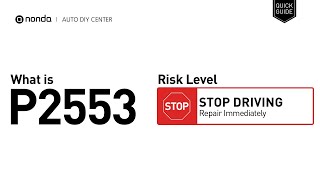
This isn’t something you want to ignore. If the system can’t control fuel delivery or engine speed properly, you could end up with stalling, poor acceleration, or even a no-start situation. Honestly, it’s dangerous to drive with this kind of problem, especially if your engine stalls in traffic. Ignoring it can also lead to further damage-like burnt-out injectors, damaged wiring, or even a fried control module. Things can go south quickly if you put this off.
Repair solutions for P2553
Here’s what usually fixes a P2553 code, based on what I’ve seen and what the OEM recommends:
- Repair or replace any damaged wiring or connectors between the FICM and PCM.
- Clean and reseat all related connectors-sometimes a little corrosion is all it takes to set this code off.
- If wiring and connectors are good, replace the FICM if it’s found to be faulty using the proper test procedures.
- Replace the PCM only if all other causes have been ruled out and it fails the OEM tests.
It’s best to start with the simple stuff-wiring and connectors-before moving on to expensive modules.

Conclusion
To sum it up, P2553 is a code you don’t want to ignore, especially if you’re driving a Ford diesel. It means there’s a problem with how the engine is controlling fuel and idle speed, usually due to wiring, connectors, or a faulty control module. The risks just aren’t worth it-stalling or no-starts can leave you stranded or in a dangerous spot. I recommend starting with a thorough inspection of the wiring and connectors, then moving on to module testing if needed. Most often, fixing a bad wire or connector gets you back on the road safely. Don’t put this off for later-get it checked and fixed as soon as you can.

 4463
4463 5 minutes of reading