
Causes of dtc P2554
From what I’ve seen in the shop and based on official repair info, the most common causes for a P2554 code are:
- A faulty Fuel Injection Control Module (FICM)-this is a big one, especially on Ford diesels.
- A malfunctioning Powertrain Control Module (PCM).
- Wiring harness issues, like broken, shorted, or corroded wires between the FICM and PCM.
- Poor electrical connections at the FICM or PCM connectors-sometimes it’s just a loose or dirty plug.
In my experience, wiring problems and bad connections are the most frequent culprits. Modules themselves do fail, but it’s less common than a simple wiring issue.
Symptoms of P2554 engine code
When this code pops up, you’ll probably notice the check engine light is on. In some cases, you might also feel the engine running rough, have trouble starting, or even experience stalling-especially at idle. Sometimes, the engine might not respond well to the gas pedal, or you could notice a lack of power. But honestly, sometimes the only sign is that warning light staring at you from the dash.

Diagnosis steps for obd2 code P2554
Here’s how I’d tackle this one step-by-step:
- First, I always start with a visual inspection. Pop the hood and look closely at the wiring harnesses going to the FICM and PCM. Check for any obvious damage-cracked insulation, pinched wires, or signs of rubbing.
- Next, unplug the connectors at both modules. Look for bent, broken, or corroded pins. Sometimes just cleaning and reseating the connectors can do wonders.
- With a multimeter, I’d check for continuity and shorts in the wiring between the FICM and PCM. If you’re comfortable, you can do a basic wiggle test-gently move the harness while the engine’s running and see if the problem comes and goes.
- If the wiring checks out, I’d move on to testing the FICM and PCM themselves. This usually requires a scan tool to check for related codes or module communication issues. At this point, it’s best to have a professional with the right equipment take a look, since module testing can get tricky.
It’s always best to start with the simple stuff-wiring and connectors-before jumping to expensive parts.
Common mistakes when fixing obd code P2554
I’ve seen folks jump straight to replacing the FICM or PCM without checking the wiring first. That’s a surefire way to waste money. Another common mistake is overlooking a corroded or loose connector-sometimes it’s just a bit of moisture or dirt causing all the trouble. Don’t skip the basics, and don’t assume the most expensive part is the problem!

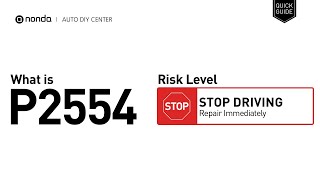
How serious is the P2554 trouble code
This isn’t something you want to ignore. If the engine can’t control fuel delivery properly, you could end up with stalling, hard starting, or even a no-start situation. That’s a serious hazard, especially if it happens in traffic. Plus, if the wiring is shorted, it could lead to further damage-like frying the FICM or PCM, which are both pricey parts. Things can go south quickly if you let this slide.
Repair solutions for the P2554 code
Here’s what usually fixes it, based on what I’ve seen and what the official procedures say:
- Repair or replace any damaged wiring or connectors between the FICM and PCM.
- Clean and secure all electrical connections-sometimes a good cleaning is all it takes.
- If the wiring and connectors are perfect, replace the FICM if it’s tested and found faulty.
- As a last resort, replace the PCM if it’s not communicating or is confirmed bad.
Always recheck everything after repairs to make sure the code doesn’t come back.


Conclusion
To sum it up, P2554 is a code that points to trouble in the engine’s electronic fuel or throttle control circuit-most often a wiring or connection issue, but sometimes a bad module. Don’t put this off, because it can leave you stranded or cause bigger, more expensive problems. The best way forward is to start with a careful inspection of the wiring and connectors, then move on to testing the modules if needed. In my experience, fixing a simple wiring issue is the most common and reliable way to resolve this code.
 4314
4314 5 minutes of reading