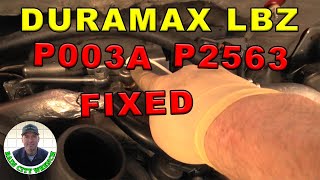
When you see a P2563 code pop up, your car’s computer is basically telling you that it’s not happy with the reading from the turbocharger boost control position sensor-sometimes you’ll hear it called the turbocharger vane position sensor. In my years of wrenching, I’ve found this little sensor plays a huge role, especially if your engine runs a variable geometry turbo (VGT). The vanes inside a VGT aren’t just sitting there for show-they shift around to deliver the right amount of boost, helping you get power on demand without risking damage. The powertrain control module (PCM) relies on that sensor’s signal to keep everything humming along. If it gets a signal that’s out of whack or totally missing, it throws the P2563 code. So, when you see this, your PCM is waving a red flag: 'Something’s up with how I’m managing boost pressure.'
DTC P2563
 5576
5576 6 minutes of reading
Causes of P2563 code
From my time under the hood, there are a handful of usual suspects for p2563. Nine times out of ten, the turbocharger boost control position sensor is the troublemaker-it might fail outright or just start feeding the computer some funky numbers. But don’t overlook the wiring or connectors leading to the sensor. I’ve lost count of how many times corrosion, brittle wires, or a loose connector caused a headache. The turbo’s actuator solenoid can also go bad, making it tough or impossible for the vanes to move. And yeah, on rare occasions, you might be dealing with a mechanical problem inside the turbo itself. Here’s what I’ll check, every time:
- Faulty turbocharger boost control position (vane position) sensor
- Bad or sticking turbocharger vanes (failed turbocharger)
- Malfunctioning turbocharger solenoid
- Damaged, corroded, or loose wiring/connectors in the sensor circuit
- Faulty powertrain control module (PCM)-not common, but I’ve seen it happen
Symptoms of P2563 trouble code
When P2563 shows up, you’ll usually spot a few telltale signs. First, that check engine light will glare at you from the dash. Then, you might notice the engine just doesn’t have the same get-up-and-go, especially when you try to accelerate-it’ll feel like the turbo isn’t even there. Sometimes the car puts itself into ‘limp mode’ to avoid further damage, which cuts your power way down. I’ve also seen cases where instead of not enough boost, the engine gets too much-things get rough, unpredictable, and that’s a sure sign something’s off. If you notice any of these symptoms, don’t just keep driving and hope for the best.

Diagnosis steps for obd2 code P2563
When I’m faced with a dtc p2563 volkswagen, Ford, or Renault, here’s my step-by-step routine. Don’t overlook the basics-trust me, it pays off:
- Check for other codes: Sometimes P2563 is just the tip of the iceberg. Jot down every code before you clear anything out.
- Inspect wiring and connectors: Pop the hood and get your eyes on every wire and connector leading to the turbocharger boost control position sensor. Look for broken, chafed, or corroded wires. Give the connectors a little wiggle-a loose one can be the whole problem.
- Test the sensor: If the wiring looks solid, I grab a multimeter and check the sensor’s voltage and resistance against the specs from the service manual. Not comfortable with this step? No shame in calling a pro.
- Check the turbo actuator/solenoid: Watch the actuator while the engine’s idling (keep those fingers clear of moving parts). If it’s frozen or not moving as it should, you’ve found your culprit.
- Inspect the turbo vanes: If you can get to them, check that the vanes aren’t sticking or jammed up. This one can be a pain at home-you might need to pull some parts to get a good look.
- PCM check: Only look at the PCM after you’ve ruled everything else out. That’s a rare cause, but not impossible.

Common mistakes when troubleshooting P2563
A classic mistake I see is folks immediately swapping out the turbo or sensor before giving the wiring a second glance. In reality, a crusty or loose connector is way more likely to trip this code than a shot turbo. Another misstep? Ignoring other codes that might point to the real root cause. It’s tempting to skip the basic visual inspection, but that’s how you waste time and cash. Take it from someone who’s seen it all-start with the easy stuff and move up from there.

Seriousness of obd code P2563 issues
This is one of those codes you can’t just ignore and hope it’ll go away. If you keep driving with a dtc p2563, you’re gambling with the health of your turbocharger-and sometimes even the engine. Overboost can spell disaster: blown gaskets, cracked pistons, you name it. Underboost isn’t much better-poor performance and the chance for long-term engine trouble. Limp mode can leave you crawling along or stuck in a dangerous spot. Bottom line? Don’t let this one sit. It can spiral fast if you’re not careful.
Repair options for dtc P2563
From what I’ve seen, here’s what usually knocks out a p2563-both in my shop and in the manuals:
- Repair or replace any damaged wiring or connectors for the turbo boost control position sensor
- Swap out the turbocharger boost control position sensor if it’s gone bad
- Replace or fix the turbo actuator/solenoid if it’s not doing its job
- Clean or repair sticking turbo vanes (sometimes you’ll have to pull the turbo)
- Replace the turbo if it’s actually failed mechanically-this is rare, but it happens
- Only consider the PCM if you’ve ruled everything else out-reprogramming or replacing isn’t common
Conclusion
The bottom line on P2563? Your turbo’s position sensor isn’t sending the right signal, and that can mess with your power and even risk engine damage. Don’t put this one off. Start simple: check your wiring, connectors, and the sensor. Most times, that’s all it takes. If you’re unsure or things aren’t adding up, don’t be afraid to get a pro involved. Addressing the issue right away is the best way to keep your turbocharged ride running strong and out of trouble.