
Causes of obd2 code P2566
From my time in the shop, the root causes of a P2566 code are usually pretty cut and dry, but they can trip up even experienced DIYers. Here’s what usually lands a car on my lift:
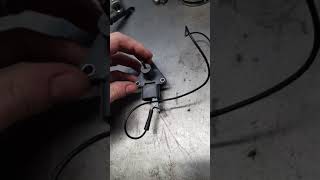
- A turbocharger boost control position sensor that’s given up the ghost. If that sensor can’t tell the ECM what’s happening, you’re in for problems.
- Wiring harness issues-think brittle insulation, broken wires, or a short circuit. I’ve seen harnesses cooked by heat or just beaten up by time.
- Electrical connections that are loose or corroded. Believe it or not, a little corrosion or a connector that isn’t snug can cause all sorts of headaches.
Doesn’t matter if you’re working on a Chevy, Ford, or GMC-the story’s usually the same. My advice? Always start with the basics. Check what you can see and touch before you go ordering parts.
P2566 Symptoms and Warning Signs
Here’s what you’ll usually notice if your ride’s throwing a P2566. The check engine light is almost always the first sign-it’s like your car’s way of waving a red flag. Sometimes, the car will still feel normal, but don’t relax just yet. More often than not, you’ll start to feel sluggish acceleration, a lack of power, or the engine just not pulling like it used to. I’ve even seen vehicles go straight into limp mode, which is the computer’s way of protecting itself when it senses real trouble. If that light’s on and your car starts acting a little lazy, don’t wait around-things can get worse in a hurry.

P2566 code Diagnostic Steps
When I get a P2566 in the bay, here’s my go-to process-and if you’re handy, you can tackle the basics at home. First, pop the hood and track down the turbo boost control position sensor (your manual or a good online guide will help if you’re not sure where to look). Give the wiring harness a close inspection-look for cracked insulation, frayed wires, or anything that looks heat-damaged or pinched. Don’t forget to check the connector itself. Make sure it’s clicked in tight, and look for bent pins, or any greenish or white corrosion-that stuff will wreak havoc on a signal. If it all looks good, I’ll get my scan tool hooked up and watch the sensor’s output while moving the actuator (if you have access). If the readings jump around or go dead, there’s your problem. Here’s a pro-tip: having a buddy wiggle the harness while you watch the scan tool can save you hours chasing a bad connection. If you’re in over your head, don’t be afraid to let a pro take a deeper dive with advanced tools.
Common P2566 engine code Mistakes
A classic mistake I see-and I’ve done it myself when I was green-is swapping out the sensor right away without checking the wiring or connectors. That’s a fast way to waste cash. Another misstep is missing corrosion or a loose plug; sometimes, a simple cleaning or tightening is all it takes. Don’t just clear the code and cross your fingers either-if you haven’t fixed the real issue, that light will be back before you know it. Always cover the basics first; it’ll save you a lot of grief.

How Serious is the P2566 trouble code
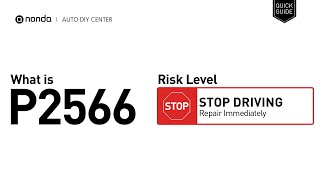
Let me be straight with you-P2566 isn’t the kind of code you can ignore and hope for the best. If you leave it alone, your turbocharger might not work right, and that means weak performance, lousy fuel economy, and in worst-case scenarios, serious engine damage if boost pressure goes haywire. I’ve seen folks end up replacing turbos, actuators, even dealing with internal engine messes because they didn’t act fast enough. Bottom line? Treat this as urgent. Get it checked and fixed before minor trouble turns major.
dtc P2566 Repair Solutions
When it comes to fixing P2566, you’re usually looking at a handful of solutions. If the sensor’s bad, swap it out-it’s often the quickest fix. If you spot damaged wiring, repair or replace that harness. Sometimes, a good cleaning and snugging up of the connectors is all it takes, especially if you see corrosion or looseness. After any repair, I always clear the code and take the car for a test drive. If the code stays gone and the car feels right, you know you’ve nailed it. Don’t skip this step-it’s the only way to know your fixes actually stuck.

Conclusion
So here’s the deal: P2566 means your car’s brain isn’t getting the right info from the turbo boost control position sensor, and that can mess with both performance and long-term reliability. Don’t put this on the back burner. Start with the simple stuff-check those wires, connectors, and the sensor itself. If you’re not sure or you hit a dead end, let a technician with the right tools take it from there. The best fix is always to find and repair the root problem, clear the code, and double-check the results with a test drive. That’s how you keep your ride running strong and avoid nasty surprises down the road.

 5802
5802 6 minutes of reading