
Main Causes of P2568
From what I’ve seen in the shop and based on the official repair info, the most common culprits for a p2568 code are pretty consistent across most brands. Here’s what usually triggers it:
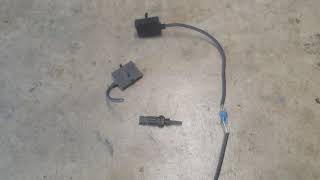
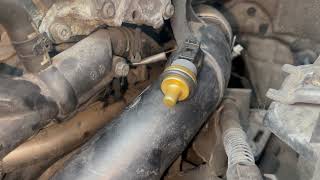
- A faulty direct ozone catalyst temperature sensor. This is the sensor itself going bad, which happens with age or exposure to heat and contaminants.
- An open or short in the sensor’s wiring. Sometimes the wires get damaged, pinched, or corroded, breaking the connection or causing a short.
- Poor electrical connections at the sensor or its connector. Loose, bent, or corroded pins are a classic cause, especially in areas exposed to moisture or road salt.
Most often, it’s either the sensor itself or a wiring issue. I recommend starting with a good visual inspection before jumping to conclusions.
Recognizing Symptoms of P2568 Engine Code
When this code is active, you’ll usually notice the check engine light coming on-that’s the most obvious sign. In most cases, you might not feel any difference in how the car drives, but sometimes there can be subtle symptoms like reduced engine performance or the engine going into a 'safe' or limp mode to protect itself. From experience, I can say that if you ignore it, you might start to notice rough running or even increased emissions, especially if the catalyst isn’t being monitored correctly.

How to Diagnose a P2568 Trouble Code
Here’s how I’d go about diagnosing a p2568 trouble code, step by step:
- First, I always start by scanning for any other codes. Sometimes there’s more than one issue, and that can help point you in the right direction.
- Next, I recommend a thorough visual inspection of the sensor and its wiring. Look for obvious signs of damage-cracked insulation, broken wires, or loose connectors. Don’t forget to check for corrosion on the connector pins, as that’s a surefire way to end up with a bad signal.
- If everything looks good, I’ll use a multimeter to check for continuity in the wiring between the sensor and the ECM. This helps rule out any open or shorted circuits.
- After that, I’ll test the sensor itself. Most OEM manuals give you a resistance value to check at a certain temperature. If the sensor is way off spec, it’s time for a new one.
- It’s best to have someone assist you if you’re not comfortable with electrical checks, but these steps are where I’d start before replacing any parts.
Avoiding Common obd2 code P2568 Mistakes
One thing I see a lot is folks jumping straight to replacing the sensor without checking the wiring or connectors first. That’s a quick way to waste money if the real problem is just a loose pin or a corroded connector. Another common mistake is not clearing the code after repairs and then wondering why the light is still on. Also, skipping the step of checking for other related codes can lead you down the wrong path. Don’t forget to inspect the harness and connector thoroughly before moving on to more expensive fixes.

The Seriousness of a P2568 Code
Honestly, this isn’t something you want to ignore. While it might not leave you stranded right away, running with a faulty catalyst temperature sensor can lead to bigger problems. If the ECM can’t monitor the catalyst temperature, it can’t protect the catalytic converter from overheating, which could end up damaging the converter itself-a very expensive part. Plus, you could fail an emissions test or notice worse fuel economy. Things can go south quickly if overlooked, so don’t put this off for later.
Effective Repair Steps for obd code P2568
In cases like this, the most reliable fixes are:
- Replacing the direct ozone catalyst temperature sensor if it’s out of spec or not responding.
- Repairing or replacing damaged wiring or connectors. Make sure all connections are clean, tight, and free of corrosion.
- Clearing the code and taking the car for a test drive to make sure it doesn’t come back.
Here’s what I usually do: start with the simple stuff-inspect and clean the connectors, check the wiring, and only replace the sensor if you’re sure it’s bad. That’s the best way to avoid unnecessary repairs.

Conclusion
To sum it up, P2568 means your car’s not getting the right info from the catalyst temperature sensor, and that can spell trouble for your emissions system and catalytic converter. It’s a moderate-to-high priority issue-don’t ignore it. Start with a careful inspection of the wiring and connectors, and only replace the sensor if you’ve ruled out simpler causes. Acting quickly is the best way to keep your car running clean and avoid costly repairs down the road.
 3992
3992 5 minutes of reading