
Causes of P2571 engine code
From what I’ve seen in the shop and based on official repair info, the most common reasons for a p2571 code are:
- A faulty direct ozone reduction catalyst temperature sensor itself (it just stops working or gives bad readings).
- The sensor’s wiring is damaged-maybe it’s broken, corroded, or has a bad connection somewhere.
- The connector at the sensor is loose, bent, or has pushed-out pins.
- In rare cases, the sensor circuit could be shorted or open (meaning the electrical path is broken or touching where it shouldn’t).
Most often the issue is with the sensor or its wiring, not the catalytic converter itself. I recommend starting with a good look at the wiring and connector before jumping to conclusions about the sensor.
Symptoms linked to dtc P2571
When this code is active, you’ll usually notice the check engine light come on. That’s the main thing most drivers see. In my experience, you probably won’t feel any difference in how the car drives right away-no rough running or stalling. But if the problem sticks around, the car’s computer might limit engine performance to protect the catalytic converter, especially on newer models. So, while it might seem like just a warning light at first, it can turn into a bigger headache if ignored.

Diagnosis and troubleshooting for P2571
Here’s how I usually tackle a p2571 code:
- First, I check for any other codes that might be related. Sometimes, a different code can point you in the right direction.
- Next, I pop the hood and find the direct ozone reduction catalyst temperature sensor-usually located on or near the catalytic converter. It’s best to let the exhaust cool down before touching anything here.
- I give the wiring harness and connector a good visual inspection. I’m looking for frayed wires, melted insulation, corrosion, or any signs the connector is loose or damaged. Don’t forget to check for bent or pushed-out pins inside the connector.
- If everything looks good, I’ll unplug the connector and check for corrosion or water intrusion. Sometimes just cleaning and reseating the connector can solve the issue.
- After that, I use a multimeter to check the resistance of the sensor and make sure it matches the specs in the service manual. If it’s way off, the sensor is likely bad.
- If the sensor and wiring check out, I’ll move on to checking the circuit back to the engine control module, but honestly, most problems are found in the earlier steps.
It’s better to have someone assist you if you’re not comfortable working around hot exhaust parts or electrical connectors.
Common mistakes when fixing obd2 code P2571
I’ve seen folks jump straight to replacing the catalytic converter, which is almost never the problem for this code. Another common mistake is swapping out the sensor without checking the wiring and connector first-sometimes it’s just a loose or corroded pin causing all the trouble. Skipping the visual inspection is a surefire way to waste time and money. Always check the basics before spending on new parts.

How serious is obd code P2571
This isn’t something you want to put off. While you might not notice any immediate drivability issues, ignoring this code can lead to bigger problems. If the sensor isn’t working, the computer can’t protect the catalytic converter from overheating, which can cause it to fail-and that’s a very expensive part to replace. Plus, if the car starts limiting engine power to protect itself, you could find yourself in a dangerous situation if you need to accelerate quickly. Things can go south quickly if overlooked, so don’t wait too long to get it checked out.
Repair steps for P2571 trouble code
Here’s what usually fixes a p2571 code, based on what I see in the field and OEM repair procedures:
- Repair or replace any damaged wiring or connectors at the sensor.
- Clean and reseat the sensor connector if there’s any corrosion or loose pins.
- Replace the direct ozone reduction catalyst temperature sensor if it’s out of spec or not responding.
- In rare cases, repair the wiring harness between the sensor and the engine control module if there’s a break or short.
After repairs, always clear the code and take the car for a test drive to make sure it doesn’t come back.

Conclusion
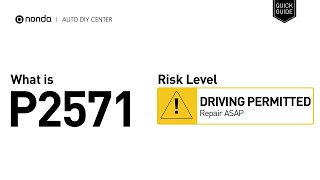
To sum it up, P2571 means your car’s computer isn’t getting the right signal from the catalyst temperature sensor circuit. It’s usually a sensor or wiring issue, not the catalytic converter itself. Don’t ignore it-the risks just aren’t worth it, and you could end up with a much bigger repair bill if you wait. Start with a careful inspection of the wiring and connector, and only replace the sensor if you’re sure it’s bad. That’s the most reliable way to get your car back in shape and keep you safe on the road.

 3901
3901 5 minutes of reading