
Common Causes of P2578 Trouble Code
From experience, the most common culprits behind a P2578 code are:
- A faulty turbocharger speed sensor-these can just wear out or fail over time.
- Wiring harness issues, like broken, shorted, or open wires leading to the sensor. Sometimes it’s as simple as a wire rubbing against something hot or sharp.
- Connector problems-corroded, bent, or pushed-out pins where the sensor plugs in.
In rare cases, there could be an issue deeper in the circuit, but nine times out of ten, it’s one of the above.
Warning Signs and obd2 Code P2578 Symptoms
When this code is active, the most obvious thing you’ll notice is the check engine light or a service engine warning on your dash. In some cases, you might not feel any difference in how the car drives, but if the sensor is way off, you could experience reduced engine power, sluggish acceleration, or even the vehicle going into a sort of ‘limp mode’ to protect itself. I always tell folks: if you see that light, don’t just ignore it, even if the car seems to run okay.

Step by Step P2578 Diagnosis Process
Here’s how I usually tackle a P2578 code, step by step:
- Start with a visual inspection. Pop the hood and locate the turbo speed sensor and its wiring. Look for obvious damage-cracked insulation, melted wires, or loose connectors. Sometimes you’ll spot the problem right away.
- Check the connector. Unplug it and look for corrosion, bent pins, or anything that doesn’t look right. If you see greenish buildup or broken pins, that’s a red flag.
- Gently tug on the wires near the connector to see if any are loose or broken inside the insulation. I’ve found plenty of hidden breaks this way.
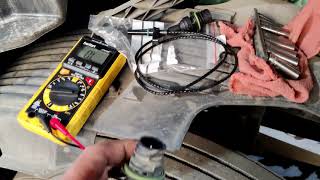
- If everything looks good visually, I use a multimeter to check for continuity in the wiring between the sensor and the control module. This helps find any hidden opens or shorts.
- Finally, if the wiring and connector check out, I’ll test the sensor itself according to the factory specs-sometimes it’s just a bad sensor that needs swapping.
It’s better to have someone assist you, especially when checking wiring continuity or reaching tricky spots near the turbo.
Common Mistakes When Fixing DTC P2578
A classic mistake I see all the time is people jumping the gun and swapping out the sensor without even glancing at the wiring or connectors. That’s an easy way to burn cash if the real trouble is a cracked wire or a corroded pin. Another thing folks often forget: clearing the code after making repairs. If you leave the old code sitting there, you’ll end up chasing your own tail trying to fix a problem that’s already solved. Here’s my advice-always double-check the basics before you start ordering parts.

The Seriousness of obd Code P2578
Let me be straight with you: this isn’t a code you want to brush aside. If the turbo speed sensor is acting up, your car’s computer can’t properly keep an eye on boost pressure. That spells trouble-not just for performance, but potentially for the engine or turbo itself. I’ve seen cars limp along for a while, only to end up with a blown turbo or even engine damage because this warning was ignored. Bottom line? The risks just aren’t worth it. Take care of it before things get expensive.
Effective Repair Solutions for P2578 Code
Here’s what usually fixes a P2578 code:
- Repair or replace any damaged wiring or connectors you find during inspection.
- If the wiring and connector are good, replace the turbocharger speed sensor with a new OEM part.
- After repairs, clear the code and take the car for a test drive to make sure it doesn’t come back.
Always use the factory procedure and double-check your work before buttoning everything up.

Conclusion
So here’s the bottom line: P2578 means your turbo speed sensor circuit isn’t doing its job, and you can’t afford to ignore it. Start simple-inspect the wiring and connectors-before you jump to replacing parts. That warning light is there for a reason, and letting it slide can turn a small issue into a major repair. Stick to a solid diagnosis, fix what’s actually broken, and always confirm your repair with a good test drive. That’s how you keep your engine and turbo happy for the long haul.
 4501
4501 5 minutes of reading