
Causes of P2590 Code
From experience, the most common culprits behind a P2590 code are pretty straightforward. Here’s what I usually see:
- The turbocharger boost control position sensor itself has failed.
- The wiring harness going to the sensor is damaged, broken, or shorted out.
- There’s a bad or corroded electrical connection at the sensor or along the circuit.
Most often the issue is with the sensor or its wiring, but I’ve also seen cases where a connector pin is bent, pushed out, or even eaten away by corrosion. It’s best to start with the basics before jumping to conclusions.
Symptoms of obd2 code P2590
When this code is active, you’ll probably notice a few things. The most obvious is the check engine light coming on. In some cases, you might feel the engine running rough, a loss of power (especially when you try to accelerate), or the turbo just not kicking in like it should. Sometimes, there aren’t any big changes in how the car drives, but that warning light is your clue that something’s off. Don’t ignore it, even if things seem normal for now.

Diagnosis Steps for P2590 Code
Here’s how I go about tracking down a P2590 code, step by step:
- First, I always start with a visual inspection. Pop the hood and look closely at the wiring and connectors going to the turbo boost control position sensor. Check for any obvious damage, loose plugs, or corrosion.
- Next, I gently tug on the wires and wiggle the connector to see if the code comes and goes. Sometimes, an intermittent connection is the whole problem.
- After that, I use a multimeter to check for continuity in the wiring harness. This helps find any breaks or shorts in the wires.
- If the wiring checks out, I move on to testing the sensor itself. Depending on the vehicle, this might mean checking the sensor’s voltage or resistance against factory specs.
- If everything else looks good, I’ll scan for any related codes that might point to a bigger issue with the turbo system.
It’s better to have someone assist you when checking wiring, especially if you need to move things around while watching a scan tool or meter. Don’t forget to inspect the connector pins for being bent, pushed out, or green with corrosion before moving on to more complex tests.
Common Mistakes When Addressing P2590 Trouble Code
Honestly, one of the biggest mistakes I see is jumping straight to replacing the sensor without checking the wiring and connectors first. Another common slip-up is overlooking intermittent wiring faults-sometimes a wire looks fine but is broken inside the insulation. People also sometimes forget to check for corrosion or loose pins in the connector, which can cause all sorts of headaches. Skipping these simple steps can lead to wasted time and money.

Seriousness of obd code P2590 Issues
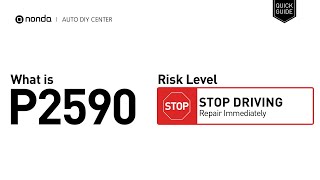
This isn’t something you want to put off. While it might not leave you stranded right away, a faulty turbo boost control sensor can cause poor engine performance, higher emissions, and even put extra stress on the turbocharger and engine. If ignored, things can go south quickly-especially if the turbo isn’t being controlled properly. That can lead to expensive damage to the turbo, engine internals, or even the catalytic converter if the problem drags on. It’s a serious hazard if you rely on your vehicle for safe passing or merging, since you might not get the power you expect when you need it most.
Repair Solutions for DTC P2590
Here’s what usually fixes a P2590 code, based on what I’ve seen and what the official procedures call for:
- Repair or replace any damaged wiring or connectors going to the turbo boost control position sensor.
- Clean any corroded connector pins and make sure they’re making solid contact.
- If the wiring and connectors are good, replace the turbo boost control position sensor itself with a new, OEM-approved part.
- Clear the code and test drive the vehicle to make sure the issue is resolved and the code doesn’t return.
In rare cases, if the problem keeps coming back, there could be a deeper issue with the turbo actuator or the engine control module, but that’s not common.


Conclusion
To sum it up, P2590 means your vehicle’s computer isn’t happy with the signal coming from the turbo boost control position sensor 'B' circuit. It’s important to tackle this right away, since it can affect performance and lead to bigger problems if left unchecked. Start with a careful inspection of the wiring and connectors, then move on to the sensor itself. In my experience, most fixes are straightforward once you track down the root cause. Don’t wait on this one-the risks just aren’t worth it, and a proper repair will keep your engine running strong and safe.

 5255
5255 5 minutes of reading