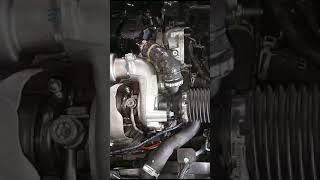
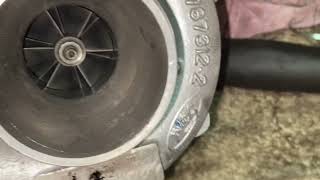
When you see a P2599 code pop up, you're dealing with an issue in your vehicle’s turbocharger system-specifically tied to the Variable Geometry Turbocharger (VGT) actuator. Let me break it down from my own time in the bay: this code means the turbo’s vanes, which control how much boost your engine gets, are stuck closed and aren’t swinging open when they’re supposed to. The engine’s control system keeps a close eye on where those vanes are, and if it notices they’re not in the right spot (usually, they should be wide open when the actuator’s not energized), it throws this code. The VGT isn’t just some fancy add-on; it’s essential for balancing engine power and fuel efficiency. When it malfunctions, you’re almost guaranteed to run into performance headaches.
DTC P2599
 5929
5929 4 minutes of reading
Causes of P2599 engine code
From my experience in the shop, the most common reasons for the p2599 error appearing on vehicles such as Ford, Renault, and Kia are:
- The VGT actuator itself is faulty or jammed.
- There’s a buildup of carbon or debris causing the vanes to stick.
- Vacuum supply issues-like a leaking vacuum line or faulty vacuum pump.
- Problems with the turbocharger control solenoid.
- Electrical issues, such as damaged wiring or poor connections at the actuator.
Most often, it’s either mechanical sticking from carbon or a vacuum problem, but I’ve seen all of these pop up in the field.
Symptoms of P2599 code
If you’re driving with a p2599 kia active, you’ll likely notice the engine feels sluggish, especially when you try to accelerate. You might see the check engine light come on. Sometimes, the vehicle goes into ‘limp mode’ to protect itself, which means you’ll have very limited power. You could also notice poor fuel economy and maybe even some odd noises from the turbo area if the vanes are really stuck.

Diagnosis steps for P2599
Here’s how I tackle this code step by step:
- First, I check for any obvious vacuum leaks around the turbo actuator and lines. It’s best to have someone help you rev the engine while you listen and feel for leaks.
- Next, I inspect the wiring and connectors at the VGT actuator for damage or corrosion. Don’t forget to wiggle the connectors-sometimes a loose pin is all it takes.
- Then, I use a scan tool to command the actuator through its range and watch the position readings. If the vanes don’t move or the readings are stuck, that’s a big clue.
- If the actuator seems fine electrically, I move on to a physical inspection. I’ll remove the actuator and manually check if the vanes move smoothly. If they’re stuck, it’s usually carbon buildup or mechanical failure.
- Finally, I check the turbo control solenoid and vacuum pump operation. A simple hand vacuum pump can help test if the actuator holds vacuum.
Make sure to inspect everything before jumping to conclusions-sometimes it’s a simple fix, sometimes it’s more involved.

Common Mistakes with obd2 code P2599
I’ve seen folks replace the turbocharger right away without checking the actuator or vacuum lines first. Another common slip-up is ignoring the electrical side-bad wiring or connectors can mimic mechanical failure. Skipping the scan tool test is another mistake; you need to see what the computer is seeing before you start pulling parts.

Seriousness of P2599 trouble code
This isn’t something to ignore. If the vanes are stuck closed, your engine can’t get the air it needs, which means poor performance and a real risk of damaging the turbo or even the engine itself. Things can go south quickly-overheating, excessive exhaust backpressure, and even internal turbo damage are all possible. Honestly, driving with this issue is a serious hazard, especially if you need power in an emergency.
Repair procedures for obd code P2599
Here’s what usually fixes the p2599 ford:
- Cleaning or replacing the VGT actuator if it’s sticking or faulty.
- Cleaning the turbo vanes if carbon buildup is the culprit.
- Repairing or replacing damaged vacuum lines or the vacuum pump.
- Fixing any wiring or connector issues at the actuator.
- Replacing the turbo control solenoid if it’s not working right.
In cases where the turbo itself is damaged, replacement may be needed, but that’s less common.
Conclusion
To sum it up, P2599 means your turbo’s vanes are stuck closed and not responding like they should. This is a high-priority issue-don’t put it off, because the risks just aren’t worth it. The best way forward is to start with simple checks: vacuum lines, wiring, and actuator movement. Most of the time, cleaning or repairing the actuator and vanes solves the problem. If you act quickly and follow a thorough diagnostic path, you’ll keep your engine safe and get back to smooth driving.