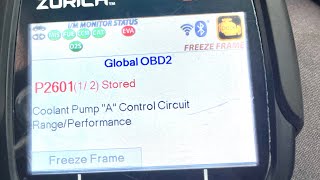
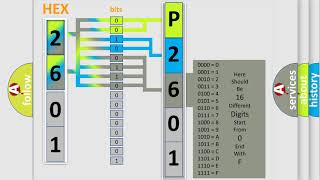
When you see the P2601 code pop up, what you’re really running into is a signal from your car’s computer that something’s gone sideways with the control circuit for your coolant pump. Now, from my years in the bay, I can tell you this pump-sometimes called the water pump-is the unsung hero keeping your engine temperatures in check by moving coolant through the engine block and radiator. These days, especially if you’re driving a newer Cadillac or a hybrid, you’re probably dealing with an electric pump managed by the PCM (powertrain control module). If the PCM catches the pump slacking off, or if there’s a hiccup with the wiring or relay, you’ll get this code. Sometimes, especially on things like the Toyota Prius, it’s talking about an auxiliary pump, a secondary unit that helps out under certain conditions. Bottom line: this system is there to keep your engine cool and your heater working right. Ignore it, and you’re asking for trouble.
DTC P2601
 4447
4447 6 minutes of reading
Common Causes for P2601
From experience, the most common reasons I see for a p2601 cadillac cts are:
- Water pump failure-either the pump itself has worn out or the electric motor inside has given up.
- Faulty water pump relay-this is like a switch that tells the pump when to turn on and off, and if it’s stuck or broken, the pump won’t work right.
- Wiring issues-damaged, corroded, or loose wires or connectors between the pump, relay, and computer can easily cause this code.
- Less often, a problem with the powertrain control module (PCM) itself, but that’s pretty rare in my experience.
Most often, it’s the pump or the relay, but I always check the wiring before jumping to conclusions.
Symptoms of P2601 Trouble Code
When this code pops up, here’s what you’re likely to notice:
- The check engine light will come on and stay lit.
- You might find your heater isn’t blowing hot air like it should, especially at idle or low speeds.
- Most concerning, the engine can start to overheat-either the temperature gauge climbs higher than normal, or you might even see a warning light for high engine temperature.
In some cases, you might not notice anything right away, but ignoring it is risky.

Diagnosis Steps for Obd2 Code P2601
Here’s how I usually tackle a p2601 cadillac, step by step:
- First, I check the coolant level and condition. Low or dirty coolant can cause all sorts of issues, so top it off if needed and look for leaks.
- Next, I visually inspect the water pump and its wiring. Look for any obvious damage, corrosion, or loose connectors. It’s best to have a good light and maybe a helper to wiggle the harness while you watch for changes.
- Then, I use a scan tool to check for any other codes that might point to a related problem. Sometimes, there’s more than one issue going on.
- If everything looks good so far, I test the water pump relay. You can usually swap it with another identical relay in the fuse box to see if the problem follows the relay.
- After that, I check the pump itself. On electric pumps, you can often use a multimeter to see if it’s getting power when it should be running. If there’s power but the pump isn’t working, it’s likely bad.
- If all else fails, I check the control signals from the PCM, but honestly, that’s rarely the culprit unless there’s been water damage or a major electrical failure.
Don’t forget to check the basics before moving on to the more complicated stuff. It’s easy to overlook a simple blown fuse or loose connector.

Common Mistakes When Addressing P2601 Code
A classic mistake I see is folks rushing to replace the water pump right out of the gate-without even glancing at the relay or the wiring. That’s a quick way to throw money at the problem without actually fixing it. Another slip-up: ignoring other codes that might tell you the real story, like a blown fuse or a bad ground hiding in plain sight. And let’s not forget, skipping over the basics-like confirming your coolant is clean and topped off-will steer you in the wrong direction every time. Always start with the fundamentals before tearing into bigger repairs.

Seriousness of Obd Code P2601
Trust me, this isn’t one of those codes you can just brush off and handle ‘when you get around to it.’ If your coolant pump isn’t doing its job, your engine can head toward overheating faster than you might think, and that’s where the real trouble starts. We’re talking about the kind of damage that leads to blown head gaskets, warped heads, or even a locked-up engine-stuff that’ll empty your wallet in a hurry. On top of that, if your heater stops working in winter, you’re not just uncomfortable; you could be putting yourself at risk, especially if you’re stuck somewhere cold. Long story short: deal with this now, not later.
Repair Solutions for P2601 Engine Code
When it comes to fixing a p2601, here’s my go-to checklist:
- If the water pump’s toast or just not kicking on when it should, swap it out.
- If the relay’s flaky or sticking, replace it-you’d be surprised how often this does the trick.
- Track down and repair any wiring or connector damage between the pump, relay, and PCM. Even a little corrosion can throw things off.
- If, after all that, everything else checks out and you’re still chasing your tail, the PCM could be the culprit. But honestly, that’s rare and should be your last stop.
Here’s a pro-tip from the garage: always use OEM parts for these jobs. Aftermarket stuff might save you a few bucks up front, but I’ve seen too many come-backs from cheap parts to risk it.
Conclusion
If you take away anything from this, know that the P2601 code is your car’s way of waving a big red flag about the coolant pump’s control circuit. Ignore it and you’re gambling with your engine’s life. In my time under the hood, I’ve found that starting with the basics-checking coolant, wiring, relays, and the pump itself-solves most cases without drama. But don’t drag your feet; engine overheating doesn’t mess around. Tackle the root cause head-on, whether it’s the pump, relay, or wiring, and get your Cadillac back on the road safely. Your engine will thank you for it.