
Causes of P2602
From what I've seen in the shop, there are a handful of usual suspects when it comes to the p2602 issue. Most often the problem is with the auxiliary coolant pump itself-either it's failed or it's getting weak. But that's not the only thing to check. Here’s what I typically look for:
- A faulty relay for the auxiliary coolant pump
- A blockage in the control circuit to the pump
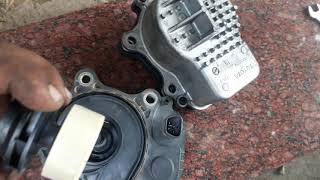
- The auxiliary coolant pump itself has failed
- Wiring harness issues-either an open (broken wire) or a short (wires touching that shouldn’t be)
- Poor electrical connections in the pump’s circuit, like corroded or loose connectors
In my experience, wiring problems and bad relays are just as common as a failed pump, so it pays to check everything methodically.
Symptoms of dtc P2602
When this code pops up, you’ll usually notice the check engine light or a service engine warning on your dash. Most of the time, you won’t feel any immediate difference in how the car drives, especially if you’re just running errands around town. But if you’re in stop-and-go traffic or you shut the engine off after a long drive, the engine might stay hotter than it should. Over time, you could start to notice rough starts after a hot soak, or even a fuel smell if the heat causes fuel to evaporate in the system. But honestly, the main thing you’ll see right away is that warning light staring at you.

Diagnosis with obd code P2602
Here’s how I usually go about diagnosing an obd code p2602. I always start simple and work my way up:
- First, I visually inspect the wiring and connectors at the auxiliary coolant pump. I’m looking for anything obvious-broken wires, corrosion, loose plugs, or bent pins. It’s best to do this with the engine off and cool.
- Next, I check the fuse and relay for the pump. Sometimes a blown fuse or a stuck relay is all it takes to set this code. Swapping the relay with a known good one is a quick way to rule it out.
- Then, I’ll test for power and ground at the pump connector while the system is supposed to be running. If you’re comfortable with a multimeter, you can check for voltage here. If there’s no power, the issue is likely upstream-maybe the relay, wiring, or even the ECM.
- If power and ground are good but the pump isn’t running, the pump itself is probably bad. At this point, I’ll bench test the pump by applying power directly to see if it spins up.
- Don’t forget to check for any blockages in the coolant lines going to and from the pump. A clogged line can cause the pump to overwork or fail.
It’s better to have someone assist you, especially when checking for power with the ignition on. And always double-check that you’re working on the right circuit before moving on to more complex diagnostics.
Common Mistakes When Dealing with P2602 engine code
I’ve seen a lot of folks jump straight to replacing the pump without checking the basics. One of the biggest mistakes is overlooking a bad relay or a simple wiring issue. Another common slip-up is not inspecting the connectors closely-sometimes a little corrosion or a loose pin is all it takes to break the circuit. Also, people sometimes forget to check the fuse, which can save a lot of time and money. Skipping these steps can lead to unnecessary parts replacement and frustration.

Seriousness of P2602 trouble code
This isn’t something you want to ignore. While you might not notice a problem right away, letting this slide can lead to bigger headaches. If the auxiliary coolant pump isn’t working, your engine can stay hotter than it should after shutdown. That can cause fuel to evaporate in the injectors and fuel rail, which is a fire hazard and can lead to hard starting, rough running, or even engine damage over time. You don’t want this kind of trouble on the road, especially in hot weather or heavy traffic. Things can go south quickly if overlooked, and you could end up with damaged injectors, warped engine components, or even a failed head gasket if overheating gets out of control.
Repair Solutions for P2602 code
Once I’ve pinpointed the cause, here’s what I usually do to fix a p2602 code:
- Replace the auxiliary coolant pump if it’s failed or weak
- Swap out a faulty relay or blown fuse for the pump circuit
- Repair or replace any damaged wiring or connectors in the pump circuit
- Clear any blockages in the coolant lines to ensure proper flow
- After repairs, I always clear the code and test the system to make sure the pump cycles on and off as it should
It’s best to use OEM parts for reliability, and always double-check your work before calling it done.


Conclusion
To sum it up, the P2602 code means your auxiliary coolant pump circuit isn’t working right, and that’s a key part of keeping your engine cool after you shut it off. Don’t put this off for later-diagnose it step by step, starting with the simple stuff like fuses, relays, and wiring before moving on to the pump itself. The risk of engine overheating and fuel system issues is real, so it’s worth fixing promptly. From experience, the most reliable path is a thorough inspection and targeted repair, not just swapping parts blindly. That way, you’ll keep your engine safe and avoid bigger problems down the road.
 5690
5690 6 minutes of reading