
Main Causes of P2606
From what I’ve seen in the shop, the most common reasons for a P2606 code are usually electrical in nature. Here’s what tends to go wrong most often:
- Faulty intake air heater relay
- Bad intake air heater element itself
- Open or shorted wiring in the intake air heater circuit
- Poor electrical connections-like corroded, bent, or loose pins at the connectors
- Issues with the intake air heater harness
In my experience, it’s usually a bad relay or a wiring problem, but I’ve also seen the heater element itself fail, especially on older vehicles or those exposed to a lot of moisture and road salt.
Recognizing Symptoms with obd2 code P2606
When this code is active, you’ll probably notice the check engine light come on-that’s the main thing most drivers see. In some cases, especially in cold weather, you might have trouble starting the engine or notice it runs rough for a minute or two after startup. But honestly, sometimes the only sign is that warning light on the dash. If you’re in a warmer climate, you might not notice any drivability issues at all, but the code will still be there in the background.

Diagnosis Steps for P2606 Trouble Code
Here’s how I usually tackle a P2606 code, step by step:
- First, I always start with a visual inspection. Pop the hood and check the wiring and connectors going to the intake air heater and its relay. Look for any obvious damage-broken wires, corrosion, loose plugs, or anything that looks out of place.
- Next, I check the relay itself. Sometimes you can swap it with another identical relay in the fuse box to see if the problem follows the relay. If it does, you’ve found your culprit.
- Then, I use a multimeter to check for power and ground at the heater and relay. You want to make sure the relay is getting battery voltage and that the ground connection is solid.
- If everything looks good so far, I test the intake air heater element for continuity. If it’s open (no continuity), the heater is bad and needs replacing.
- Don’t forget to inspect the harness for any signs of rubbing, pinching, or water intrusion. Sometimes the issue is hidden where the wires bend or pass through tight spots.
It’s always smart to have someone help you cycle the ignition or operate the relay while you check for voltage and continuity. That way, you can catch intermittent issues that only show up when the system is active.
Avoiding Common Mistakes with P2606 Engine Code
I’ve seen folks jump straight to replacing the intake air heater without checking the relay or wiring first. That’s a quick way to waste money and time. Another common slip-up is overlooking corroded or loose connectors-these can cause all sorts of headaches and are easy to miss if you’re not thorough. Also, some people forget to check for blown fuses in the circuit, which can be a simple fix if caught early. Always double-check the basics before moving on to the more expensive parts.

The Seriousness of dtc P2606
This isn’t something you want to ignore, especially if you live in a colder area. If the intake air heater isn’t working, your engine can have a hard time starting in the cold, and it might run rough or even stall right after startup. Over time, repeated cold starts without proper air heating can lead to increased wear on the engine and even damage the glow plugs or starter. Honestly, things can go south quickly if you keep driving with this problem in harsh weather. It’s best to get it checked out before winter hits or if you notice any starting issues.
Repair Solutions for obd code P2606
Here’s what usually fixes a P2606 code, based on what I see in the field:
- Replace the faulty intake air heater relay
- Repair or replace damaged wiring or connectors in the heater circuit
- Replace the intake air heater element if it’s failed
- Clean and secure all electrical connections to ensure good contact
- Replace any blown fuses related to the intake air heater system
Once the repair is done, I always clear the code and run the engine through a cold start cycle to make sure everything is working as it should.
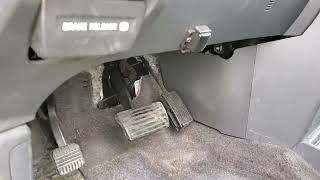
- 2006 To 2014 Honda Ridgeline OBD2 / OBDII Connector Port Location On-Board Diagnostics - DTC Codes
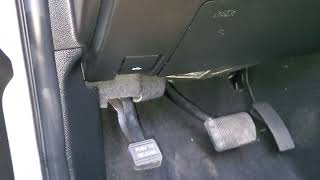
- 2011 To 2021 Jeep Grand Cherokee OBD2 / OBDII Connector Port Location - On-Board Diagnostics DTC
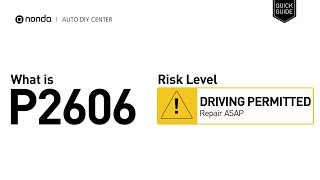
- What is P2606 Engine Code [Quick Guide]
- P0640 Intake Air Heater Control Circuit 🟢 Trouble Code Symptoms Causes Solutions

Conclusion
To sum it up, P2606 means your intake air heater system isn’t working right, and that can cause real headaches-especially in cold weather. It’s not the kind of thing you want to put off, since it can lead to hard starts and even engine damage over time. The most reliable way to fix it is to start with a careful inspection of the relay, wiring, and heater element, and address any issues you find. Don’t ignore that check engine light-get it sorted out sooner rather than later, and you’ll save yourself a lot of trouble down the road.
 5061
5061 5 minutes of reading