
Causes of dtc P2614
From what I’ve seen in the shop, there are a few usual suspects when it comes to this fault. Most often the issue is with the camshaft position sensor itself-it might have failed or be on its way out. Another common cause is a damaged tone ring, which is the part the sensor reads as the camshaft turns. Wiring problems are also high on the list, like frayed wires, loose connectors, or corrosion in the circuit. And, though it’s less common, sometimes the PCM (the car’s main computer) can be at fault. Here’s what I’d look for first:
- Faulty camshaft position sensor
- Broken or damaged tone ring
- Wiring issues (open circuit, shorts, poor connections)
- PCM malfunction (rare, but possible)
Symptoms of P2614
When this code is active, you’ll probably notice your car just isn’t running right. From experience, I can say the most common things drivers report are rough running or poor engine performance-maybe the engine stumbles or hesitates. Hard starting is another big one; sometimes it takes a few tries to get the engine going. And if you’ve noticed you’re burning through more gas than usual, that fits too. Basically, anything that messes with timing can make your engine feel sluggish or unpredictable. This error can also happen on these car brands: Ford, Renault.

Diagnosis steps for P2614 code
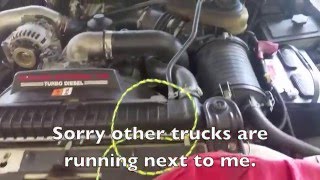
Here’s how I usually tackle this trouble. First, I recommend starting with a visual inspection-pop the hood and check the wiring and connectors going to the camshaft position sensor. Look for anything obvious like broken wires, loose plugs, or corrosion. It’s best to have someone wiggle the wires while you watch to see if anything changes. Next, I’ll unplug the sensor and check for bent pins or moisture inside the connector. If everything looks good, I use a multimeter to test for power and ground at the sensor. If the wiring checks out, I’ll move on to testing the sensor itself-sometimes swapping in a known-good sensor is the quickest way to confirm a bad part. If you’re still stuck, the tone ring should be inspected for cracks or missing teeth. Only after all that would I suspect the PCM, and that’s pretty rare. Don’t forget to clear the code and see if it comes back after any repairs. The unique code p2614 ford 6.0 can also be relevant for certain models.
Common mistakes with obd code P2614
One thing I see a lot is folks jumping straight to replacing the sensor without checking the wiring first. That’s a surefire way to waste money if the problem is just a loose connector or a broken wire. Another mistake is not checking the tone ring-if it’s damaged, a new sensor won’t help. And sometimes, people forget to check for water or oil contamination in the connector, which can cause all sorts of weird issues. Always go step by step and don’t skip the basics.

Seriousness of obd2 code P2614
This isn’t something you want to ignore. If you keep driving with this trouble, your engine can run rough, stall, or even fail to start altogether. Poor timing can also lead to unburned fuel, which can damage your catalytic converter-a very expensive fix. Honestly, it’s dangerous to let this go, especially if your car starts stalling in traffic. Things can go south quickly if overlooked, so don’t put this off for later.
Repair solutions for P2614 engine code
In cases like this, it’s usually a matter of replacing the camshaft position sensor if it’s faulty. If the wiring is damaged, repairing or replacing the affected wires or connectors is the way to go. If the tone ring is broken, that’ll need to be replaced as well. Only in rare cases does the PCM need to be repaired or reprogrammed. Here’s what I personally recommend:
- Replace the camshaft position sensor if it fails testing
- Repair or replace any damaged wiring or connectors
- Replace the tone ring if it’s cracked or missing teeth
- Reprogram or replace the PCM if all else fails (rare)

Conclusion
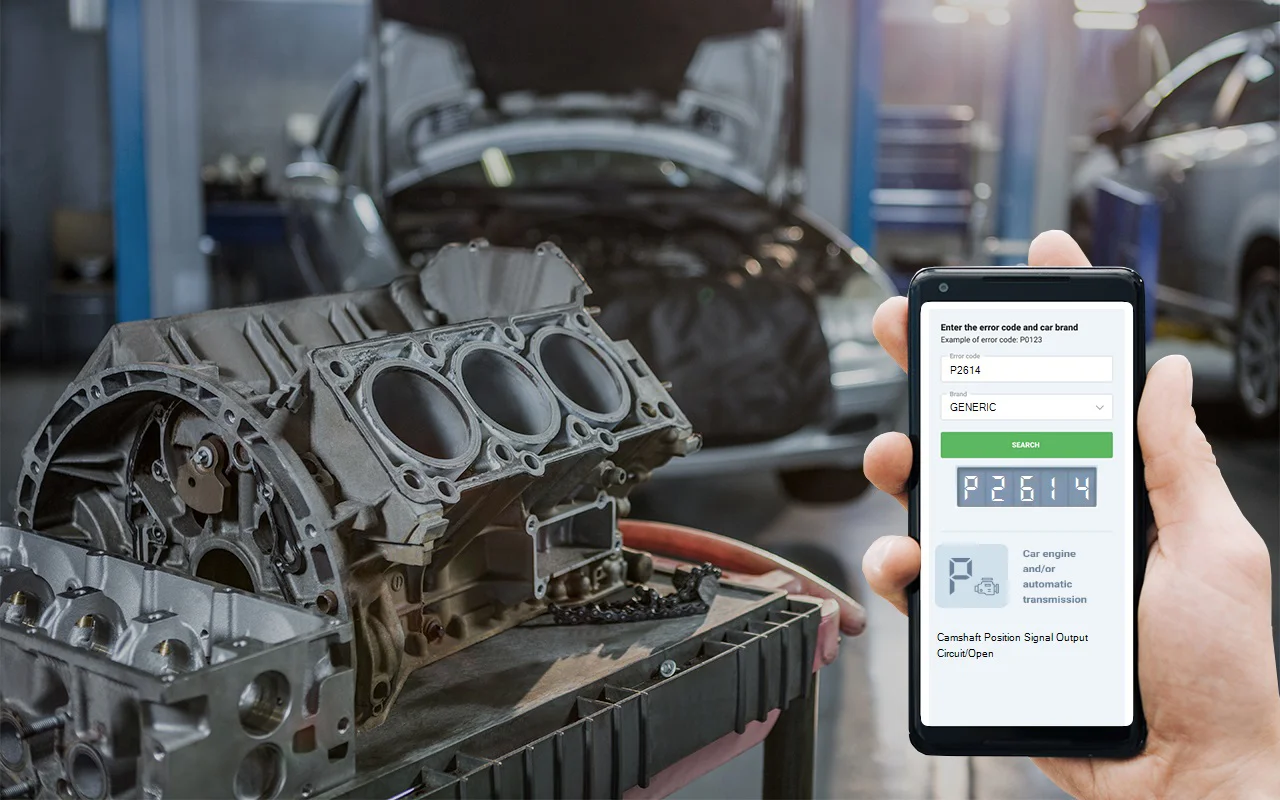
To sum it up, P2614 means your car’s computer isn’t getting the right signal from the camshaft position sensor, which is critical for engine timing. This can cause rough running, hard starts, and poor fuel economy, and if ignored, can lead to bigger (and more expensive) problems. I always recommend starting with a careful inspection of the wiring and sensor, since those are the most common issues. Don’t wait on this-getting it fixed promptly is the best way to keep your engine running safely and avoid further damage.
 5907
5907 5 minutes of reading