
Causes of the P2619 code
From experience, the most common reasons for a P2619 code are pretty consistent across the board. Here’s what I usually see:
- A faulty crankshaft position sensor itself-these do wear out over time or can fail suddenly.
- Wiring harness issues, like wires that are broken, shorted, or have poor connections. Sometimes it’s just a pinched or corroded wire causing all the fuss.
- Bad electrical connections at the sensor plug-think bent, pushed-out, or corroded pins.
In rare cases, it could be a problem further up the line, but nine times out of ten, it’s one of these three.
Symptoms of the P2619 trouble code
When this code is active, you’ll almost always notice the check engine light is on. Sometimes, that’s the only thing you’ll see. But in other cases, you might notice the engine running rough, hesitation when accelerating, or even stalling. If the sensor is really acting up, the engine might not start at all. From what I’ve seen, it can be anything from a mild annoyance to a situation where you’re stuck and can’t get moving.

Diagnosis steps for obd2 code P2619
Let me walk you through how I tackle a P2619 code, step by step:
- First thing I do is pop the hood and eyeball the crankshaft position sensor and its wiring. You’d be surprised how many times a quick look turns up the problem-stuff like frayed wires, loose plugs, or a plug caked with grime. Don’t just glance, either-get your hands in there, wiggle things, and check for corrosion hiding inside the connector. That’s a classic troublemaker.
- If nothing jumps out at you, grab a scan tool and clear the code. Then see if it comes back after a quick start-up or short drive. Sometimes, a fluke or voltage spike will set the code, but if it comes right back, there’s definitely something going on.
- Next up, I break out the multimeter. You’ll want to check for continuity in the sensor wiring. Make sure there aren’t any shorts to ground or power. If you’re handy with a meter, you can do this at home. If not, don’t hesitate to rope in a buddy who’s comfortable with one.
- If the wiring checks out, the next suspect is the sensor itself. Depending on the type, I’ll test it for resistance or output voltage. If it’s out of spec, there’s your culprit.
- And if you’ve covered all that ground and still haven’t found the problem, it might be time to look at the engine control module’s input. Honestly though, it’s rare to get that far before you find something.
Here’s my advice: always start with the basics. The simple stuff solves most problems before you need to dig into the complex electronics.
Common mistakes when fixing P2619
A classic mistake I see all the time? Folks go straight for a new sensor without checking the wiring or connectors first. That’s a fast way to spend money on parts you don’t need. Another common slip-up is missing a damaged wire tucked under the loom, or overlooking a connector pin that’s been pushed out of place. Take the time to really inspect every part of the circuit before you start swapping things out. Trust me, it’ll save you frustration and cash.

Seriousness of the P2619 engine code
Don’t brush this one off. When the crankshaft position sensor isn’t doing its job, your engine can misfire, stall, or flat out refuse to start. That’s not just inconvenient-it’s dangerous if it happens on the road. Plus, running with a bad sensor can snowball into bigger headaches, like a fried catalytic converter or even internal engine trouble if the timing gets thrown way off. The bottom line? Take care of this sooner rather than later, or you might be looking at a much bigger repair bill down the road.
Repair options for dtc P2619
In my shop, the fix usually falls into one of these buckets:
- Patch up or swap out any damaged wiring or connectors you find during your inspection.
- Replace the crankshaft position sensor if it’s dead or out of spec-no sense trying to nurse a failing sensor along.
- Clean up any corrosion at the connector and double-check that all the pins are straight and locked in tight.
- On rare occasions, if everything else checks out, you might need to dig deeper into the engine control module, but that’s not common in my experience.
After you’ve done the repair, always clear the code and take the car for a spin. If the code stays gone, you know you nailed it.
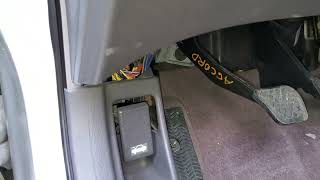
- 1998 To 2002 Honda Accord OBD2 / OBDII Connector Port Location On-Board Diagnostics - DTC Codes
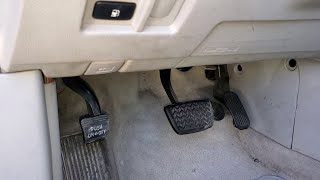
- 2004 To 2009 Lexus RX 330 OBD2 / OBDII Connector Port Location - Use With Scan Tool Check DTC Codes
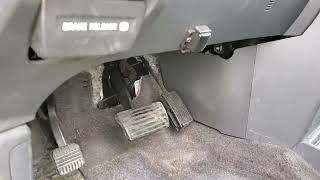
- 2006 To 2014 Honda Ridgeline OBD2 / OBDII Connector Port Location On-Board Diagnostics - DTC Codes
- Peugeot проблема с системой ABS. Ошибка C1381.

Conclusion
To wrap it up, P2619 means your engine’s crankshaft position sensor signal is acting up-and you can’t afford to ignore it. This one can cause anything from a pesky check engine light to a no-start that’ll leave you stranded. My advice? Start by zeroing in on the sensor and its wiring. Most of the time, you’ll find a straightforward fix if you’re thorough early on. Don’t put this off; the risk of bigger problems just isn’t worth it. The best approach is to methodically check your wiring, connectors, and sensor, fixing or replacing what’s needed. That’s how you get your engine back in sync and keep yourself safely on the road.

 6461
6461 6 minutes of reading