
Causes of dtc P261D
From my years in the bay, the usual suspects behind a P261D code are pretty cut and dry. Nine times out of ten, you’re dealing with one of these:
- A secondary coolant pump relay that’s gone bad-this relay is the piece that tells the pump when it’s showtime.
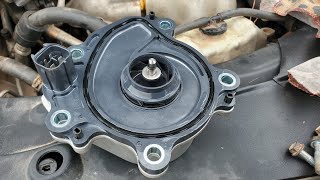
- A failing secondary coolant pump-it might be drawing more juice than it should or has an internal short.
- I’ve lost count of how many times wiring harness issues have been the root of the problem-anything from a broken wire (an open) to wires touching when they shouldn’t (a short) in the pump’s loom.
- Crusty or loose electrical connections-corrosion, bent pins, or just connectors that aren’t clicked in all the way can all cause headaches at the pump or relay.
Especially on Toyotas and Volkswagens, if you run into P261D, odds are good you’re facing one of these culprits.
Symptoms of P261D code
Whenever this code shows up, the check engine light is usually your first clue. Sometimes, you’ll get an extra nudge from a service warning. You might not notice much in terms of how the car actually drives at first-everything can feel pretty normal. But here’s the catch: if that pump’s not doing its job, your engine could start running hotter than it should, especially if you’re crawling in traffic or it’s boiling outside. If you let it slide, you might see the temp gauge inching up or even get a full-blown overheating alert. I’ve seen folks ignore this and end up with way bigger cooling system problems down the line.

Diagnosis steps for obd2 code P261D
When I’m diagnosing a P261D, here’s my tried-and-true routine:
- First thing-pop the hood and really look at the wiring and connectors for the secondary coolant pump. Cracked insulation, green corrosion, or a connector that’s barely hanging on? That’s where you want to start.
- After that, I go for the relay. A quick swap with another relay (if they’re the same type) can save you a ton of time. If the problem disappears, you’ve found your culprit.
- Next up, the pump itself. Break out the multimeter and check for power and ground at the pump’s connector when it should be running. If there’s juice but the pump doesn’t spin, it’s time for a new one.
- Still no luck? Now’s the time to check the wiring for continuity and shorts. Here’s a pro-tip from the garage: have someone gently move the harness while you’re testing. Intermittent wiring issues love to play hide-and-seek.
- Once you’ve fixed what you’ve found, clear the code and see if it comes back. If it does, you might be chasing a deeper problem-like a rare PCM issue.
Bottom line: always check the basics before you start buying expensive parts.
Common mistakes with P261D trouble code
A classic mistake I see is folks immediately swapping out the coolant pump without even glancing at the relay or wiring. Another one? Ignoring those corroded or loose connectors-they cause more trouble than most people realize. I’ve also watched people miss those sneaky, intermittent wiring faults just because they didn’t move the harness around during their checks. Skipping a thorough visual inspection? That’s a shortcut straight to wasted time and cash.

How serious is P261D
Take it from someone who’s seen the aftermath-this isn’t a code you want to brush off. If the secondary coolant pump isn’t working, the risk of your engine overheating goes way up, especially in stop-and-go or scorching weather. Let it run hot, and you’re flirting with blown head gaskets, warped heads, or a trashed engine. Things escalate fast. And if you keep driving with this problem, you could end up frying the pump, relay, or even the wiring harness. Trust me, the repair bill only gets bigger the longer you wait.
Repair solutions for obd code P261D
Here’s what I’ve found works for knocking out a P261D code:
- Swap in a new secondary coolant pump relay if the old one’s not clicking over like it should.
- If the pump’s drawing too much power or just isn’t spinning, replace it with a fresh unit.
- Patch up or replace any damaged wiring or connectors-make sure every connection is clean, tight, and free of corrosion before you button things back up.
- Once you’ve made your fixes, clear the code and take the car for a spin to confirm it’s sorted.
My advice? Always start with the simple stuff before you tear into the big-ticket repairs.


Conclusion
So, here’s the bottom line: a P261D code means the control circuit for your secondary coolant pump is acting up-most often thanks to issues with the relay, pump, or wiring. Don’t let it slide, because overheating can wreck your engine in a hurry. Start with a thorough check of the wiring and connectors, test the relay, and only replace the pump if you’ve ruled out everything else. Move fast and work methodically-that’s the key to keeping your engine safe and your repair bill from spiraling out of control.
 4948
4948 5 minutes of reading