
Causes of P2625 engine code
From my time under the hood, the usual suspects behind a P2625 code are pretty predictable-especially on Chevrolet, Ford, and GMC. Here’s what I almost always find when I’m chasing down this code:
- The injector control pressure regulator itself has failed. These things wear out, especially on higher-mileage vehicles.
- Wiring harness problems-think broken wires, shorts, or just a bad connection. Sometimes you’ll find a wire that’s rubbed through on a bracket or a connector full of green corrosion.
- Bad connections at the plug, like bent pins, pushed-out terminals, or damage from moisture sneaking in.
Once in a blue moon, the issue will be deeper in the control module, but in my experience, that’s pretty rare-it’s almost always one of the above.
Symptoms of P2625
Most folks first spot this code when the check engine light flips on. Sometimes, the car still feels okay at first. But don’t be fooled-sooner or later you’ll notice rough idling, a bit of hesitation when you hit the gas, or that you’re burning through more fuel than usual. Some drivers tell me their engine gets hard to start or just doesn’t have the get-up-and-go it used to. Let it go too long? You could end up with stalling or even a no-start situation. It’s one of those sneaky issues that creep up, so don’t brush it off.

Diagnosis steps for P2625 trouble code
This is how I go after a P2625 code, step by step:
- Start with the basics-pop the hood and eyeball the harness leading to the injector control pressure regulator. I’m looking for obvious stuff: cracked insulation, wires that look chewed up, or connectors that don’t look right.
- Unplug the connector at the regulator. Check all the pins. If I see one that’s bent or green with corrosion, that’s a smoking gun. Even a hint of moisture can mess with these connections.
- Out comes the multimeter. I check for continuity and make sure there’s no short to ground or power in the wiring. A simple wire test can save a lot of headaches.
- If the wiring checks out, I turn my attention to the regulator. Depending on the make, I’ll check resistance or use a scan tool to cycle the regulator and watch for changes.
- Only after all that, if nothing is found, do I suspect the PCM/ECM. But honestly, that’s a last-ditch check-it’s not often the module itself.
If you’re not at home with electrical testing, get a buddy to help, and always disconnect the battery before you go poking around in connectors. No sense in making things worse with a short.
Common mistakes when fixing dtc P2625
Here’s a classic mistake I see all the time: folks swap out the regulator right away, without giving the wiring a second thought. Wiring issues are just as likely-sometimes more so. Another slip-up is ignoring the connectors. Loose pins or a little corrosion can cause big headaches. And don’t just clear the code and cross your fingers-that’s wishful thinking. Always start with the simple stuff before you start spending money on parts you might not need.

Seriousness of obd code P2625
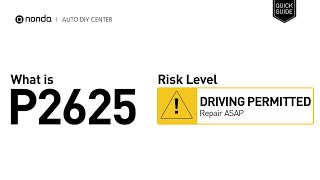
Take it from me, P2625 isn’t something you want to let slide. Left unchecked, you’re risking lousy engine performance, tough starts, or even getting stranded if the regulator quits entirely. If injector pressure stays out of spec, you can do real damage to the injectors or even the engine itself. Things can snowball in a hurry with this one, so don’t put it off-get it sorted right away.
How to repair P2625 code
Once you know what’s wrong, here’s what usually does the trick:
- Repair or replace any damaged wires or connectors. Clean off corrosion and make sure every connection is tight-don’t cut corners here.
- If the regulator is toast, swap it with a new OEM part. Always double-check you’ve got the right one for your car-mix-ups happen more than you’d think.
- After you’ve made the fix, clear the code and take it for a spin to make sure it doesn’t pop back up.
If the PCM/ECM is the culprit-which is rare-you might be looking at a replacement or a reflash, but that’s only after everything else is ruled out.

Conclusion
So here’s what it comes down to: P2625 means your injector control pressure regulator circuit is running too high, and your engine isn’t getting the precise fuel control it needs. Don’t put this one on the back burner-tackle it now and you’ll avoid bigger problems down the road. Start with the wiring and connectors, and only go after the regulator if everything else checks out. Most of the time, fixing a wiring issue or swapping the regulator will kick this code for good. Don’t wait-your engine will thank you.

 3512
3512 5 minutes of reading