
Causes of dtc P2627
From countless hours in the bay and flipping through more factory manuals than I care to admit, I can tell you these are the usual suspects behind a P2627:
- An open circuit in the UO2SPCT wire-that’s the one carrying the pumping current trim signal from the sensor up to the computer. If that wire's broken or cut, it’s game over for the sensor signal.
- A short to ground in that same UO2SPCT circuit. Sometimes, a wire rubs just enough on a bracket or exhaust shield to wear through the insulation.
- A contaminated or straight-up damaged oxygen sensor (HO2S). I’ve pulled sensors caked in oil, coolant, or just plain old age-any of that can throw things off.
- Corrosion or a lousy connection at the sensor’s connector. Water and road salt love to sneak in there, causing all sorts of grief.
Most times, you’re looking at a wiring or sensor issue, but every now and then, I’ll find a bent or loose connector pin throwing a wrench in the works.
Symptoms of obd code P2627
When P2627 pops up, here’s what you might notice behind the wheel:
- The check engine light will almost always light up. That’s your car’s way of waving a red flag.
- The engine might feel a bit rough, especially when you’re idling at a stoplight.
- Fuel economy can drop off noticeably, since the computer can’t properly adjust your air-fuel mixture anymore.
- Sometimes, you’ll catch a whiff of extra exhaust or feel the engine hesitate when you hit the gas.
But here’s the kicker: Sometimes you won’t notice any difference except for that check engine light. Don’t ignore it-your car’s trying to tell you something’s not right.

Diagnosis steps for P2627 trouble code
When I’m chasing down a P2627, here’s my typical process:
- First up, I always scan for any related codes. Sometimes, a deeper problem is lurking that triggered this code in the first place.
- Next, I go over the oxygen sensor and its wiring with a fine-tooth comb. Look for burnt spots, cracked insulation, or signs of corrosion at the connector. A good trick is to have someone gently wiggle the harness while you watch-sometimes an intermittent fault only shows up with a little movement.
- I’ll unplug the sensor, inspecting the pins for corrosion, bent contacts, or even traces of moisture. If it looks dirty or damp, give it a good cleaning and let it dry out.
- With a multimeter, I check the resistance across the sensor’s resistor terminals. If you see a number way outside the norm-usually much higher-the sensor’s most likely toast.
- Then, I’ll check the UO2SPCT circuit for continuity all the way from the sensor plug back to the PCM. Opens and shorts to ground are both common troublemakers here.
- If everything looks good, I clear the code and take the car for a spin. If the code comes right back, you know the problem’s still there. Sometimes, though, it’s just a fluke and won’t return.
One last piece of advice: Don’t just focus on the area near the sensor. Trace the wiring harness back a ways-damage can hide in spots you wouldn’t expect, far from the sensor itself.
Common mistakes with P2627 code
Over the years, I’ve seen some common slip-ups when folks try to fix a P2627:
- Jumping straight to replacing the oxygen sensor without checking the wiring or connector. That’s a quick way to burn cash if the real culprit’s just a corroded pin or broken wire.
- Missing a short to ground in the circuit. I’ve lost count of how many times a wire rubbed through on a sharp edge and caused all sorts of sensor issues.
- Ignoring other codes that might point to a bigger electrical problem hiding in the system.
- Assuming an old sensor is automatically bad, when sometimes it’s just a loose or dirty connector causing all the trouble.
Take your time. A careful inspection up front saves you money and headaches later.

Seriousness of P2627 engine code
This is one of those codes you really don’t want to ignore. Sure, the car might still start and drive, but the risks pile up fast. If the PCM’s running blind because it can’t get a proper signal from the oxygen sensor, the air-fuel mix goes haywire. That can mean sluggish performance, lousy fuel economy, and higher emissions. Worst case? You’ll torch your catalytic converter or foul your spark plugs, and that’s a repair bill nobody wants. I’ve seen engines run too rich or lean for weeks because someone put off fixing this-trust me, things can snowball in a hurry.
Repair steps for obd2 code P2627
Here’s how I tackle a P2627 in the shop, and what I’d suggest you do:
- Start by repairing or replacing any damaged wiring in the UO2SPCT circuit. Make doubly sure all your connections are tight and spotless.
- If the sensor’s resistor is out of spec-or if the sensor looks gunked up or physically damaged-swap out the oxygen sensor (Bank 1, Sensor 1) for a quality OEM unit.
- Clean and dry the connector, and dab on some dielectric grease to keep corrosion at bay down the road.
- Clear the code, then take the car for a test drive to confirm the fix sticks.
My rule of thumb: Always work through the basics first-wiring and connectors-before shelling out for a new sensor. It’s usually worth your time.


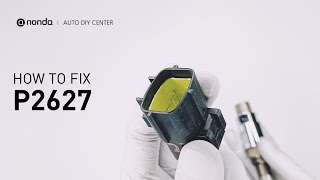

Conclusion
Bottom line, P2627 says your PCM isn’t getting the right info from the front oxygen sensor, thanks to a fault in the sensor’s resistor circuit. This isn’t something you should put off-treat it with some urgency. The best fix is to methodically check the wiring and connector, then replace the sensor if needed. Acting fast keeps you from dealing with bigger, more expensive problems like a fried catalytic converter or an engine that runs like junk. Not comfortable chasing electrical gremlins? No shame in getting a pro to handle it-guesswork here can get pricey in a hurry.

 5957
5957 6 minutes of reading