
Causes of dtc P2628
From what I see most often in the shop and based on the official repair info, the most common reasons for an error like p2628 are:
- A short to voltage in the O2 sensor positive current trim circuit (sometimes called the UO2SPCT circuit)
- A damaged or failing upstream oxygen sensor (Bank 1, Sensor 1)
- Wiring harness issues-like chafed, pinched, or corroded wires or connectors near the sensor
- Less commonly, a problem inside the PCM itself, but that’s rare and usually after everything else checks out
In my experience, it’s usually a wiring issue or a bad sensor, not the PCM.
Symptoms of P2628 engine code
If you’re dealing with this problem, you might notice a few things while driving:
- The check engine light will definitely be on
- You could experience rough idling or hesitation, especially when accelerating
- Fuel economy might drop off, since the engine isn’t getting the right air-fuel mix
- Sometimes, you won’t notice much at all, but the emissions system is still being affected
From what I’ve seen, even if the car seems to run okay, this code means your emissions are out of whack and things can get worse if left alone.

Diagnosis and obd code P2628
When I’m chasing down a P2628, here’s the playbook I use:
- First up, scan for any other trouble codes. Sometimes another code can point you right to a specific wire or sensor-don’t skip this step.
- With the ignition off, get in there and inspect the wiring and connectors running to Bank 1, Sensor 1. I’ve found everything from melted insulation to connectors caked in corrosion. Don’t just glance-move the harness around while looking; a helper comes in handy here.
- If nothing jumps out, grab a multimeter and check for a short to voltage in the UO2SPCT circuit. You’re checking if battery voltage is sneaking in where it shouldn’t. Not comfortable with this? No shame in calling someone who is, since a mistake here can get expensive.
- If the wiring and connectors check out, turn your attention to the sensor. I’ll sometimes swap it with the Bank 2 sensor (if your engine has one) to see if the problem follows the sensor. That’s a quick way to rule out the sensor itself.
- If you’ve ruled out everything else and the PCM’s still on the suspect list, be cautious. In all my years, I can count actual bad PCMs on one hand. Double and triple-check before blaming the computer.
After any repair or test, always clear the code and take it for a spin. If the code stays gone, you’ve nailed it. If it comes right back, time to dig deeper.
Common Mistakes with P2628 trouble code
I’ve seen a few common slip-ups with this issue:
- Jumping straight to replacing the O2 sensor without checking the wiring first. Wiring faults are just as likely, if not more so.
- Overlooking corrosion or loose pins inside the sensor connector. Even a tiny bit of green corrosion can mess up the signal.
- Not checking for shorts to voltage-this is a big one, since that’s a main cause for this code.
- Assuming the PCM is bad before ruling out all other possibilities. It’s almost never the computer unless everything else is perfect.
My advice: take your time with the basics before spending money on parts you might not need.

Seriousness of obd2 code P2628
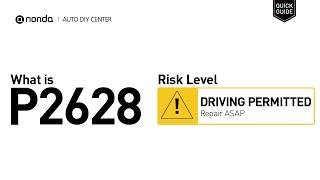
Let me be blunt: you don’t want to let a P2628 slide. When the O2 sensor circuit is on the fritz, your engine can end up running too rich or too lean, and that’s a recipe for a fried catalytic converter or even engine damage over time. Plus, your emissions will spike, and you could flunk your next inspection. I’ve seen folks ignore this, only to come back with a cat that’s shot and a repair bill that’s a real jaw-dropper. Address it early and you’ll avoid bigger, costlier headaches.
How to repair P2628
Here’s what usually fixes this problem, based on what I see and what the manuals say:
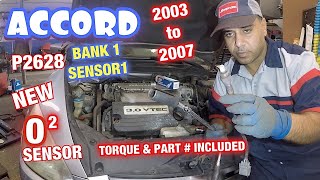
- Repair or replace any damaged wiring or connectors in the O2 sensor circuit
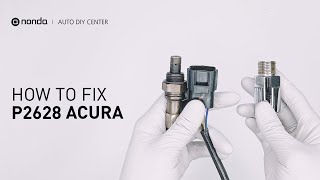
- Replace the upstream O2 sensor (Bank 1, Sensor 1) if it’s faulty or out of spec
- Clear the code and test drive to make sure it doesn’t return
- In rare cases, if all else fails, the PCM may need repair or replacement, but only after everything else is checked
I recommend starting with a careful inspection and only replacing parts after confirming the fault.
Conclusion
So here’s the bottom line: P2628 means your PCM is picking up a problem with the upstream O2 sensor circuit, and that can mess with your air-fuel mixture and emissions. From years under the hood, I can tell you the smart move is to start with a close look at the wiring and the sensor-they’re almost always to blame. Ignore it and you’re playing with fire (and your wallet). Take it step by step, verify the real culprit, and fix it before the small stuff turns into a big, expensive headache. Trust me, you’ll thank yourself later.
 4657
4657 5 minutes of reading